



Madrid is one of the most vibrant cities in Europe. The Spanish capital combines world-famous museums, exceptional gastronomy, grand avenues, parks, lively nightlife and a welcoming atmosphere that attracts visitors from all over the world.
Besides exploring the city itself, Madrid is also an excellent base for discovering other regions of Spain. Thanks to the extensive high-speed train network, it is easy to visit destinations such as Toledo, Segovia, Ávila and even cities like Córdoba, Seville and Barcelona.
We visited Madrid, and one of the things that impressed us the most was the energy of the city. Madrileños enjoy their streets, parks and bars until late at night, creating an atmosphere completely different from other European capitals.
In this complete guide, you will find everything you need to plan your trip with peace of mind. Use the menu above to access the other parts of the guide, with information about weather, transportation, attractions, accommodation and food.
Quick information about Madrid
- Country: Spain
- Region: Community of Madrid
- Language: Spanish (Castilian)
- Currency: Euro (€)
- Plug type: Type F
- Visa: Brazilians do not need a visa for tourism stays of up to 90 days in the Schengen Area
Frequently asked questions about Madrid
Do I need to speak Spanish to visit Madrid?
It is not mandatory to speak Spanish to visit Madrid, but knowing a few basic words can make your trip much easier.
As one of the most visited cities in Europe, hotels, tourist attractions and many restaurants offer service in English. However, in traditional bars and smaller establishments, it is common to find menus only in Spanish.
Since Spanish is similar to Portuguese, communication is usually quite easy for Brazilians. Even so, we recommend downloading Google Translate before your trip and making Spanish available offline.
We also recommend traveling with mobile internet. Having a connection makes it much easier to use maps, translation apps, public transportation and reservations during your trip.
A practical option is Airalo, our eSIM partner .
Do Brazilians need a visa for Madrid?
No. Brazilians can travel to Madrid and other Schengen Area countries without a visa for tourism stays of up to 90 days within a 180-day period.
At immigration, we recommend having:
- Valid passport;
- Proof of accommodation;
- Return flight ticket;
- Proof of financial means;
- Travel insurance: mandatory for entry into the Schengen Area.
Check out our complete articles:
How many days are enough to visit Madrid?
To see the main attractions in Madrid, we recommend at least 3 full days.
- 2 days: main attractions in the historic center.
- 3 to 4 days: ideal time to explore museums, parks and neighborhoods at a relaxed pace.
- 5 days or more: allows you to include day trips to nearby historic cities.
Is Madrid a good base for visiting other places?
Yes! One of Madrid's biggest advantages is its central location in Spain.
The city has excellent train connections, making it easy to visit some of the country's most beautiful destinations on day trips.
Besides exploring Madrid itself, you can include historic cities nearby that perfectly complement your itinerary.
-
Toledo
The former capital of Spain, Toledo charms visitors with its medieval streets, ancient walls, churches, synagogues and the impressive Toledo Cathedral. -
Segovia
Famous for its perfectly preserved Roman aqueduct and the Alcázar, one of the castles that inspired Disney. -
Ávila
Known for its almost completely preserved medieval walls, it is one of the most beautiful historic cities in Spain. -
El Escorial Monastery
One of the most important monuments in the country, a UNESCO World Heritage Site and former residence of the Spanish royal family.
Toledo tour from Madrid
If you prefer visiting Toledo with organized transportation and a guide, there are tours departing from Madrid that include round-trip transportation and make the experience much easier.
How much does a trip to Madrid cost?
Madrid offers excellent value for money compared to other major European capitals such as Paris, London or Amsterdam. It is possible to find good accommodation, restaurants and attractions for different types of travelers.
- Budget: €50–80 per day
- Mid-range: €110–170 per day
- Comfortable: €200+ per day
One of Madrid's biggest advantages is the number of free attractions or attractions with free entry hours, as well as the traditional menús del día, which offer complete meals at very affordable prices.
How much does a meal cost in Madrid?
A meal at a traditional restaurant usually costs between €15 and €25 per person.
If you want to save money, look for the famous menú del día, offered by many restaurants during lunch. It usually includes a starter, main course, dessert and drink for around €12 to €18, making it one of the best ways to eat well while spending less.
As in other Spanish cities, tipping is not mandatory, but it is common to round up the bill or leave between 5% and 10% when the service is good.
Continue planning your trip to Madrid
Now that you know the basic information about the city, continue planning your trip by accessing the next parts of our complete Madrid guide.
- Best time to visit Madrid Weather, seasons and the best time to explore the city.
- How to get to Madrid Airport, flights, trains and transportation to the city center.
- What to do in Madrid Main attractions, museums, parks and city itineraries.
- Where to stay in Madrid Best neighborhoods, areas and tips for choosing accommodation.
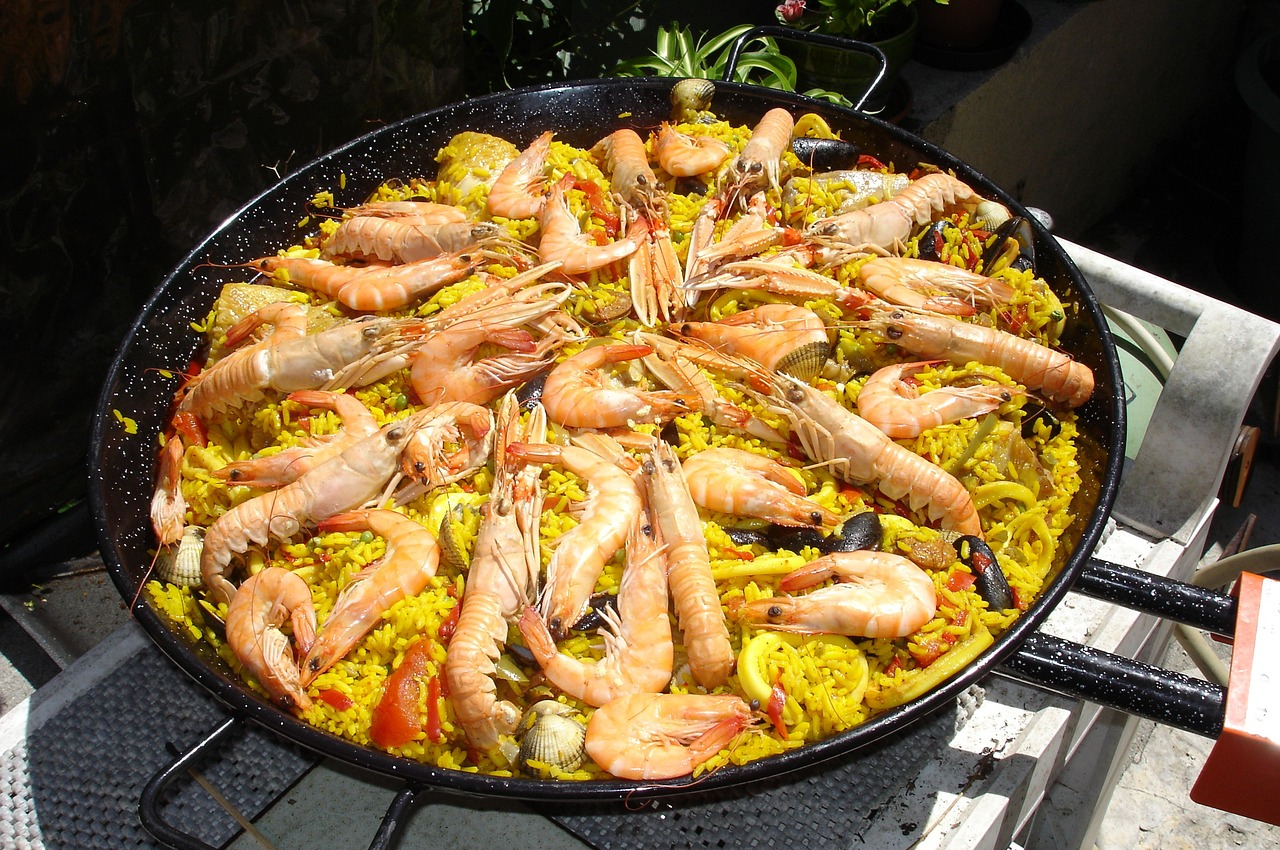
- Where to eat in Madrid Restaurants, tapas, typical dishes and Spanish cuisine.