


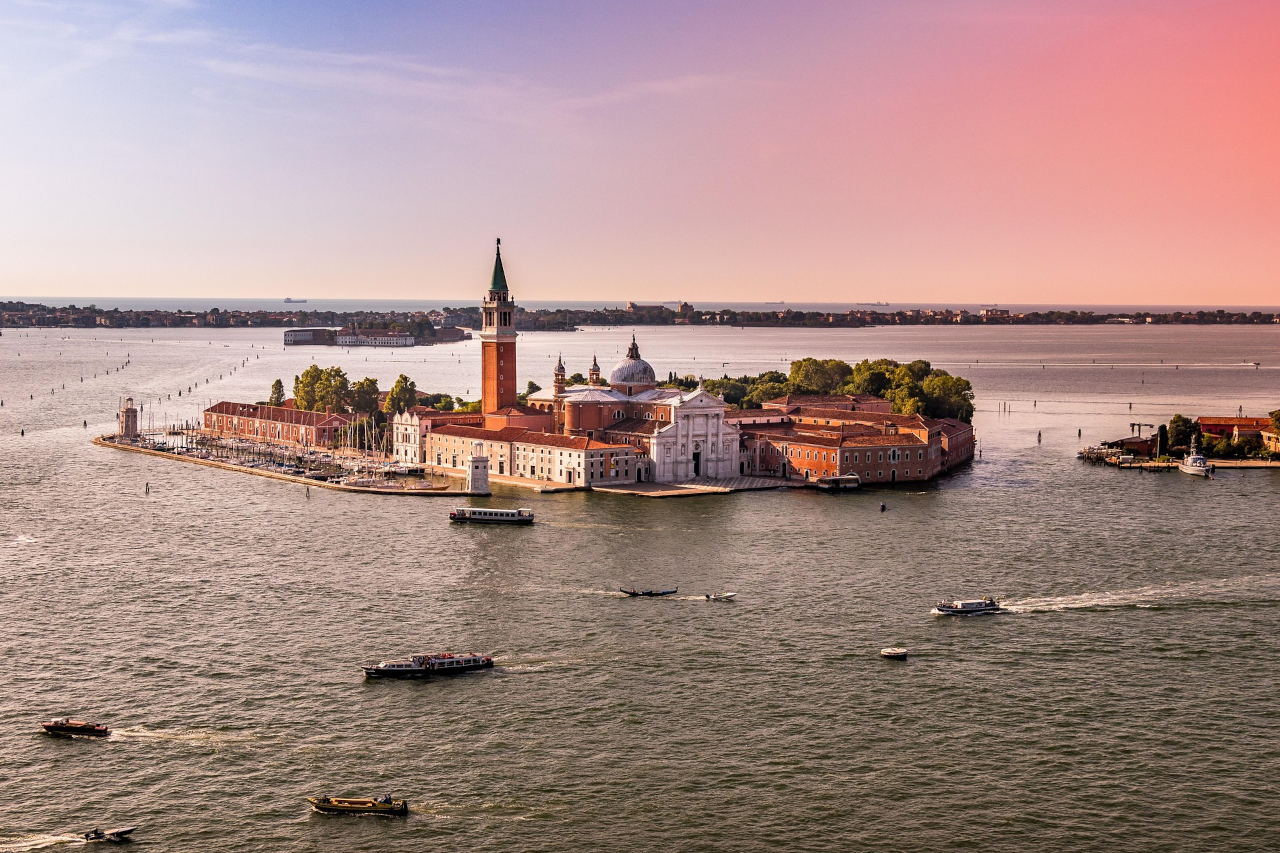
One of the main questions travelers have when planning a trip to Venice is: What is the best time to visit the city?
The answer depends a lot on the type of experience you are looking for. Venice changes completely throughout the year: summer brings long days and many visitors, autumn makes the city calmer, winter hosts the famous Venice Carnival, and spring combines pleasant weather with fewer crowds.
We have visited Venice ourselves, and we know that choosing the right time for your trip can make a huge difference. After all, walking through the narrow streets, crossing historic bridges, and exploring the canals becomes even better when the weather is on your side.
Venice Weather: What to Expect in Each Season
Spring (March to May)
Spring is one of the best times to visit Venice. Temperatures are usually between 10°C and 20°C, the days start getting longer, and the city has a very pleasant atmosphere for walking.
It is a great choice for travelers who want to explore the main attractions without the intense summer heat and without the maximum crowds of high season.
During this season, we recommend exploring Venice on foot, visiting places like Piazza San Marco, and enjoying canal walks with comfortable temperatures.
Highlight: Spring usually offers a great balance between pleasant weather, better prices, and shorter lines at attractions.
Summer (June to August)
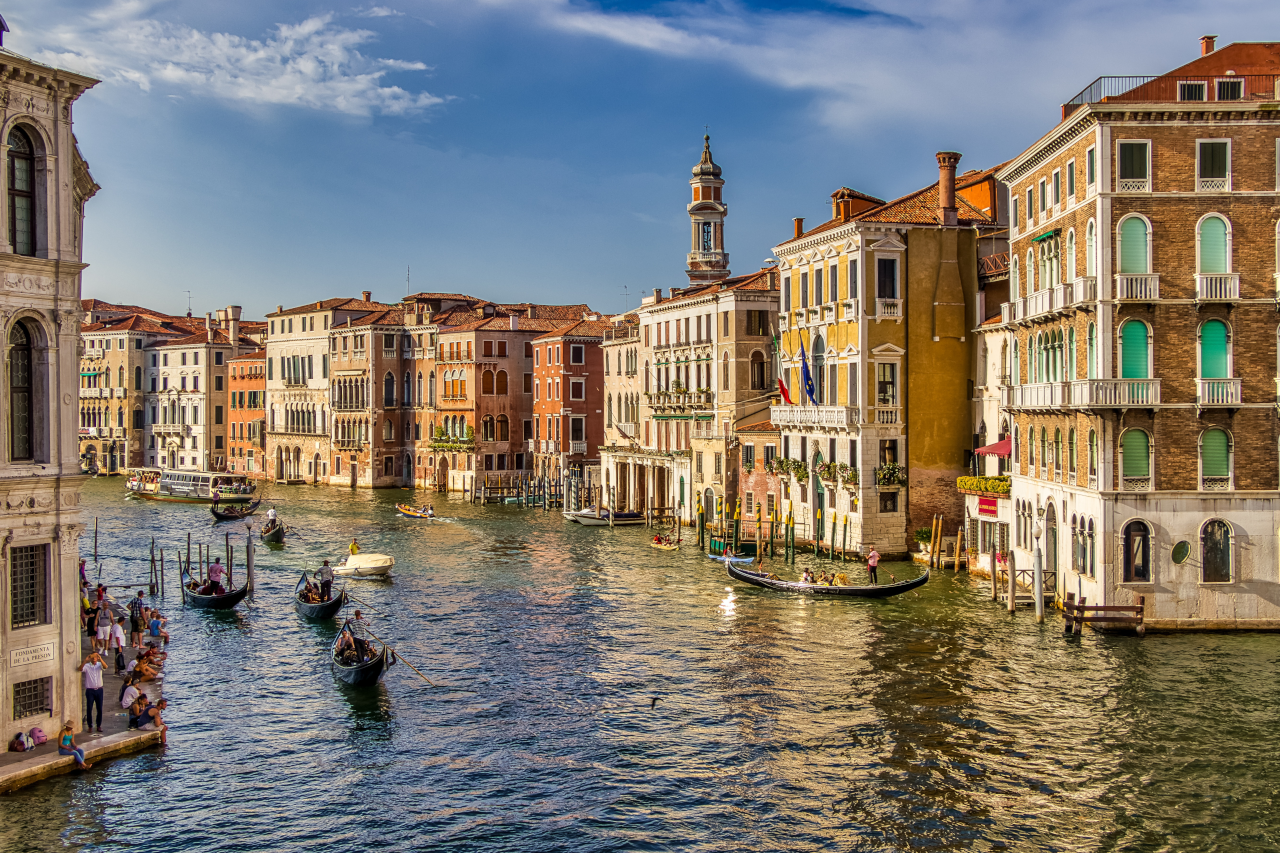
Summer is the high season in Venice. Temperatures are usually between 22°C and 30°C, and can go above 30°C on the hottest days.
The days are long and perfect for enjoying the city until later, taking boat rides, and exploring less touristy neighborhoods.
On the other hand, this is also the busiest time of the year. The streets around the main attractions become extremely crowded, especially in July and August. Taking a photo in Piazza San Marco can be almost impossible, and we don't want to discourage you, but be prepared: the sun can be intense!
Autumn (September to November)
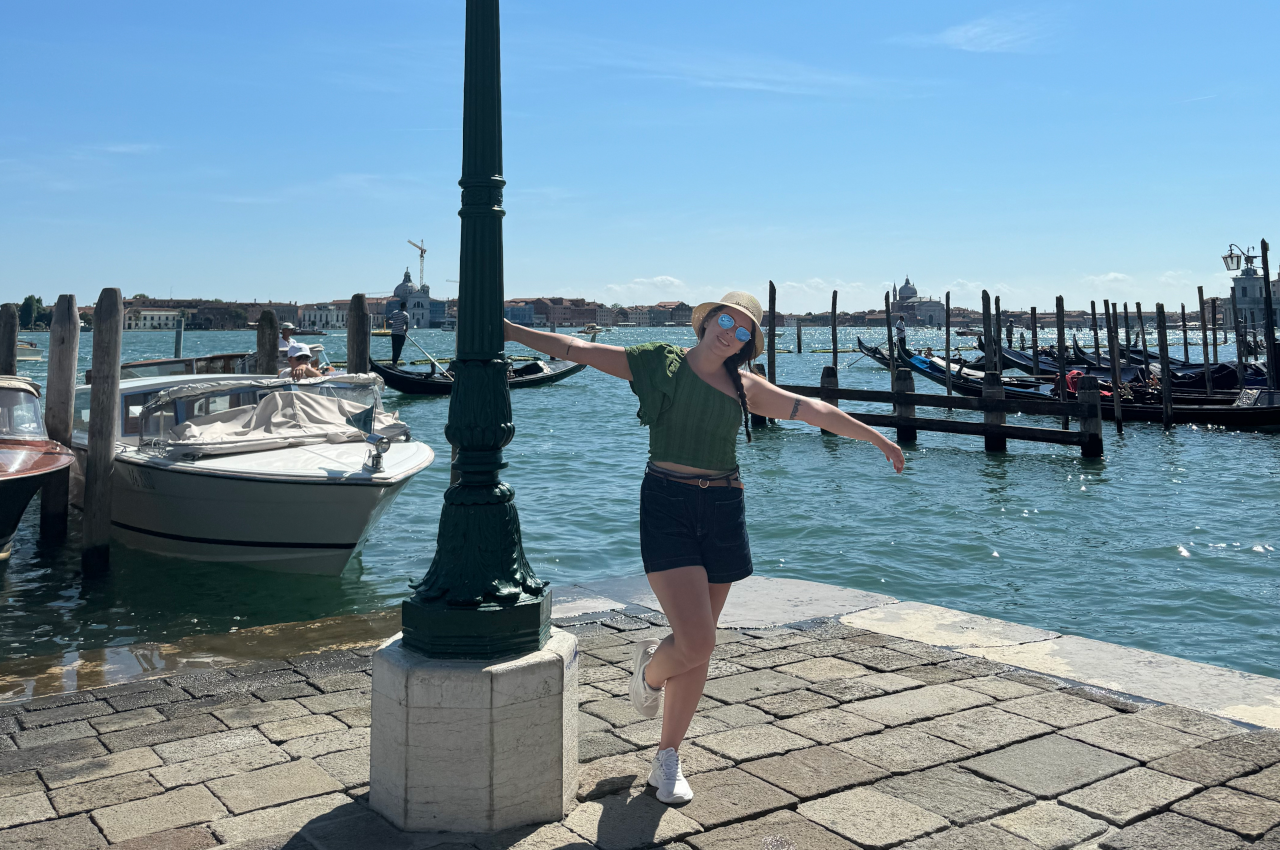
Autumn is one of our favorite seasons to visit Venice. Temperatures are still pleasant in September, around 22°C, and gradually decrease to approximately 10°C in November.
The city becomes quieter after summer, making it much more enjoyable to walk through the narrow streets, visit museums, and explore neighborhoods such as Dorsoduro and Cannaregio.
The autumn light also makes Venice even more beautiful, especially at sunset, when the canals get that golden glow that is so characteristic of the city.
Highlight: September is considered one of the best months to visit Venice because it still has pleasant weather but fewer tourists compared to July and August.
Winter (December to February)
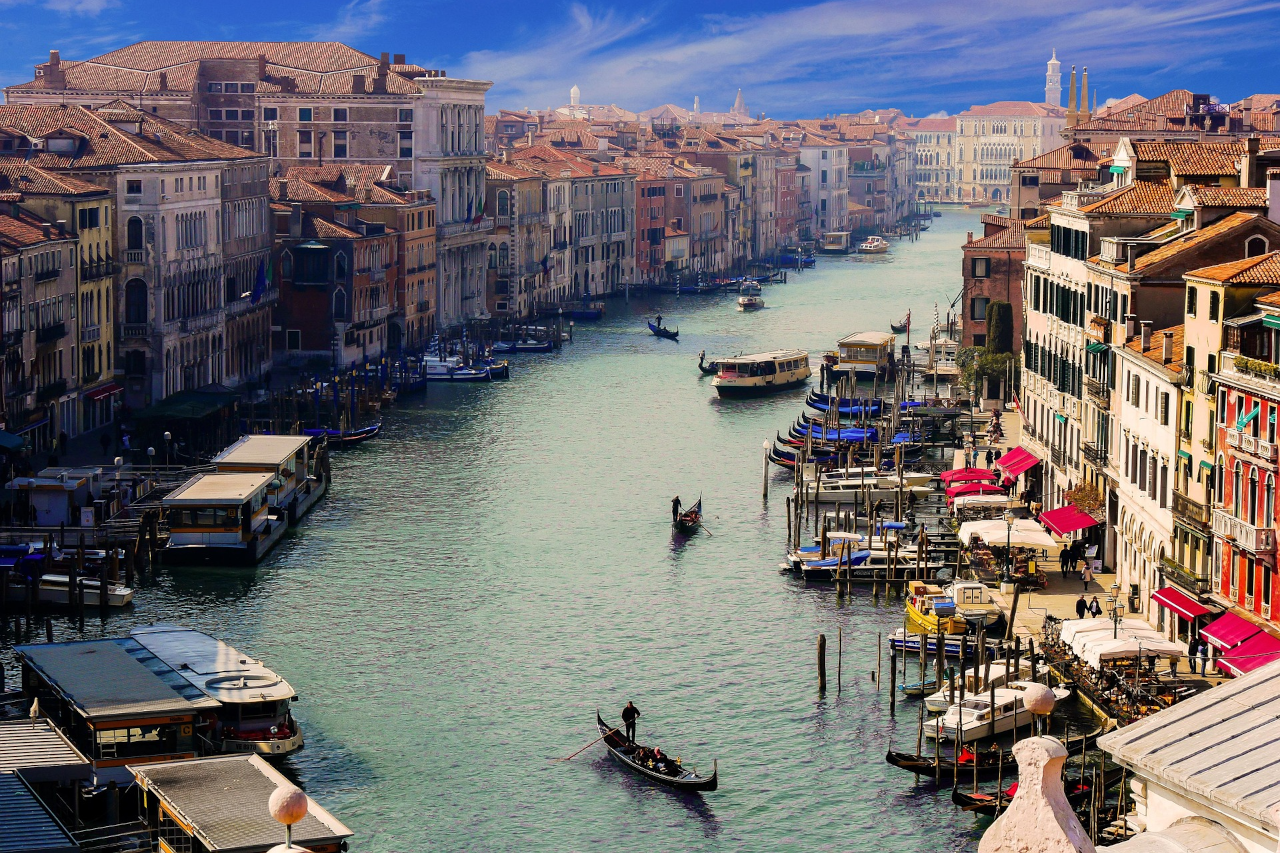
Winter in Venice is cold, with temperatures usually between 0°C and 8°C, but it is also one of the most unique times to experience the city.
With fewer tourists, Venice becomes much quieter and you can enjoy attractions at a slower pace. The fog over the canals creates a magical atmosphere, making the city look even more cinematic.
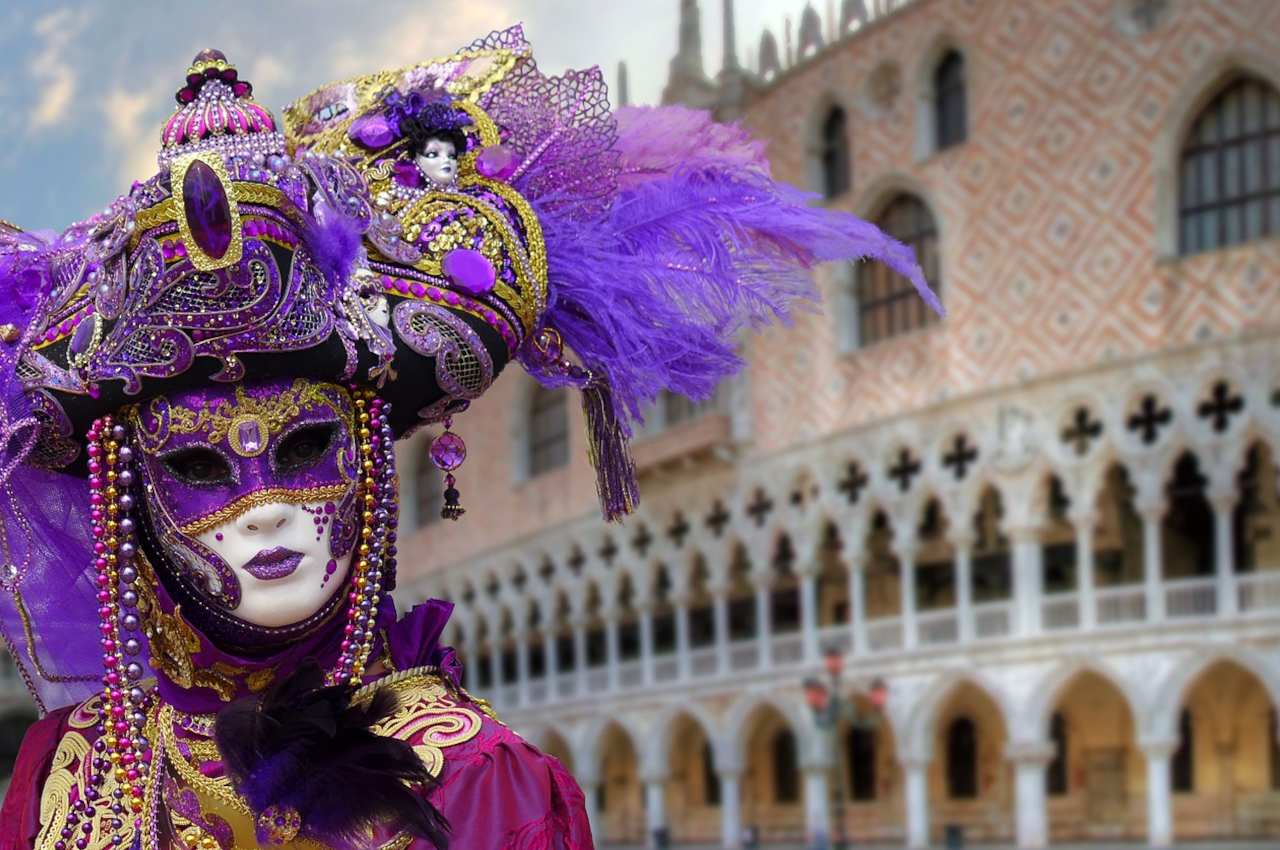
In February, one of the city's most famous events takes place: the Venice Carnival, internationally known for its traditional masks and historic costumes.
Highlight: If you want a different experience, the Venice Carnival transforms the city into a real-life movie set. However, remember that accommodation prices increase significantly during this period.
Acqua Alta in Venice: When Does It Happen?
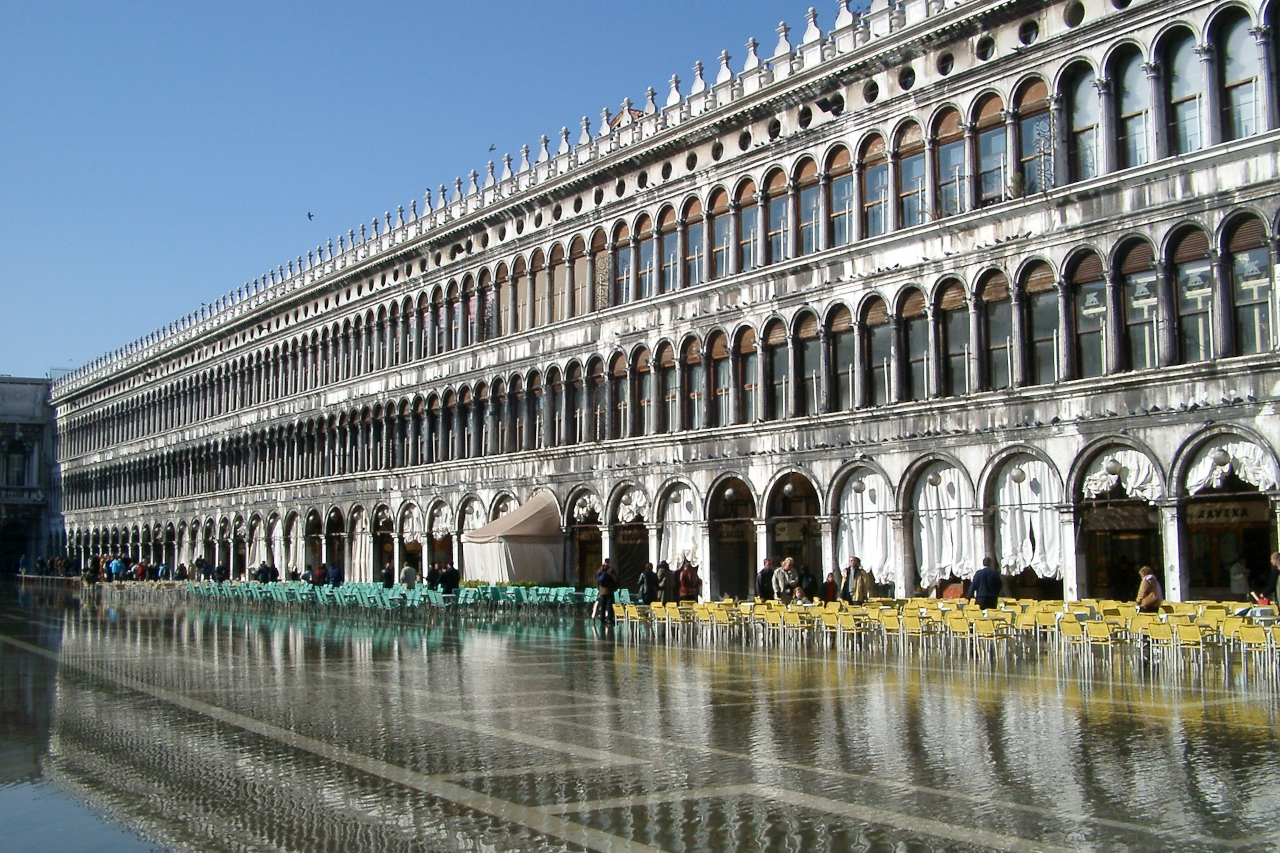
Acqua alta is the phenomenon of high tides that temporarily floods some areas of Venice, especially lower areas near Piazza San Marco.
It mainly happens between October and March, when the combination of tides, wind, and weather conditions can raise the water level in the lagoon.
Although it may seem like a problem, acqua alta is part of everyday life in Venice and usually lasts only a few hours. The city installs elevated walkways to help residents and visitors move around during these moments.
If you travel during this period, we recommend bringing waterproof shoes or some type of foot protection. But don't let this stop your trip: seeing Venice reflected in the water is a very different and special experience.
Venice Events Calendar
Besides the seasons, some events can strongly influence your travel dates. If you want to experience something specific, consider these dates:
- February: Venice Carnival, one of Italy's most famous events, with masks, parades, and traditional celebrations.
- April to June: Spring with pleasant weather and a great time for walking around the city.
- July and August: High season, with long days but also more tourists and higher temperatures.
- September: Venice International Film Festival, held on the Lido.
- October to March: Higher chances of experiencing acqua alta.
Frequently Asked Questions About Venice Weather
Does Venice flood?
Yes, some areas of Venice can flood during the phenomenon known as acqua alta. However, this does not mean that the entire city goes underwater.
Flooding usually lasts only a few hours and mainly affects lower areas, such as the surroundings of Piazza San Marco. The city has structures in place to make walking easier during these moments.
If your trip is between October and March, it is worth checking tide forecasts and bringing appropriate footwear.
Which month has the best weather in Venice?
For most travelers, the best months to visit Venice are May, June, September, and early October.
These periods combine pleasant temperatures, longer days, and fewer tourists compared to the peak of summer.
What is the cheapest month to visit Venice?
January, February (outside Carnival), and November usually have fewer tourists, which can result in better accommodation prices.
However, the Venice Carnival is an exception: even though it happens during winter, prices increase significantly due to high demand.
How many days are needed to visit Venice?
To see the main attractions, we recommend staying at least 2 full days in Venice.
With 3 days, you can explore the city at a slower pace, visit nearby islands such as Murano, Burano, and Torcello, and discover less touristy neighborhoods.
Summary: Which Season Should You Choose for Venice?
- Best balance: May, June, and September.
- For Venice Carnival: February.
- To save money: January, November, and February (outside Carnival).
- To avoid crowds: November, January, and February.
- For long days and boat rides: June to August.
Our Favorite Time to Visit Venice
If we had to choose the best time to visit Venice, we would pick late spring or early autumn.
During these seasons, the weather is still comfortable for walking, but without the intense heat and maximum crowds of summer.
Venice is a city meant to be explored slowly: crossing small bridges, getting lost in narrow streets, stopping at a square, and watching the canals are all part of the experience.
Regardless of when you visit, Venice remains a unique destination. Each season reveals a different version of the city, and that is one of its greatest charms.
Continue Planning Your Trip to Venice
Now that you know when to visit Venice, continue planning your trip with the next parts of our complete guide:
- How to Get to Venice Find information about airports, trains, transportation, and how to reach the historic center.
- Things to Do in Venice Discover the main attractions, canal tours, and unforgettable experiences.
- Where to Stay in Venice Find the best neighborhoods and tips for choosing your accommodation.
- Where to Eat in Venice Discover restaurants, traditional Italian dishes, and gastronomic experiences.
Our recommended partners
These are companies and services that we use or recommend to make your trip easier. By booking through our links, you support Feitos para Viajar at no extra cost.
Accommodation for your trip
Find hotels, apartments and accommodations for every travel style and budget.
Tours and experiences
Book tours, tickets and unforgettable experiences in the destinations you visit.
Internet while traveling
Stay connected with an international eSIM to use maps, translation and apps without relying on Wi-Fi.
International payments and exchange
Save money abroad with an international account and competitive exchange rates.
Travel insurance
Travel with peace of mind with coverage for medical emergencies and unexpected situations.
Train and bus tickets
Compare and book train and bus tickets across Europe in one simple platform.

Written by
Feitos para Viajar
We're Fernanda and Vinicius, travel content creators since 2021. As software engineers living in Germany, we share real travel experiences to help you discover both iconic destinations and hidden gems.
Gostou das nossas dicas? Então compartilhe este blog com seus amigos e siga-nos para mais sugestões de viagem! Estamos aqui para ajudar você a explorar o mundo com confiança e planejamento.

