


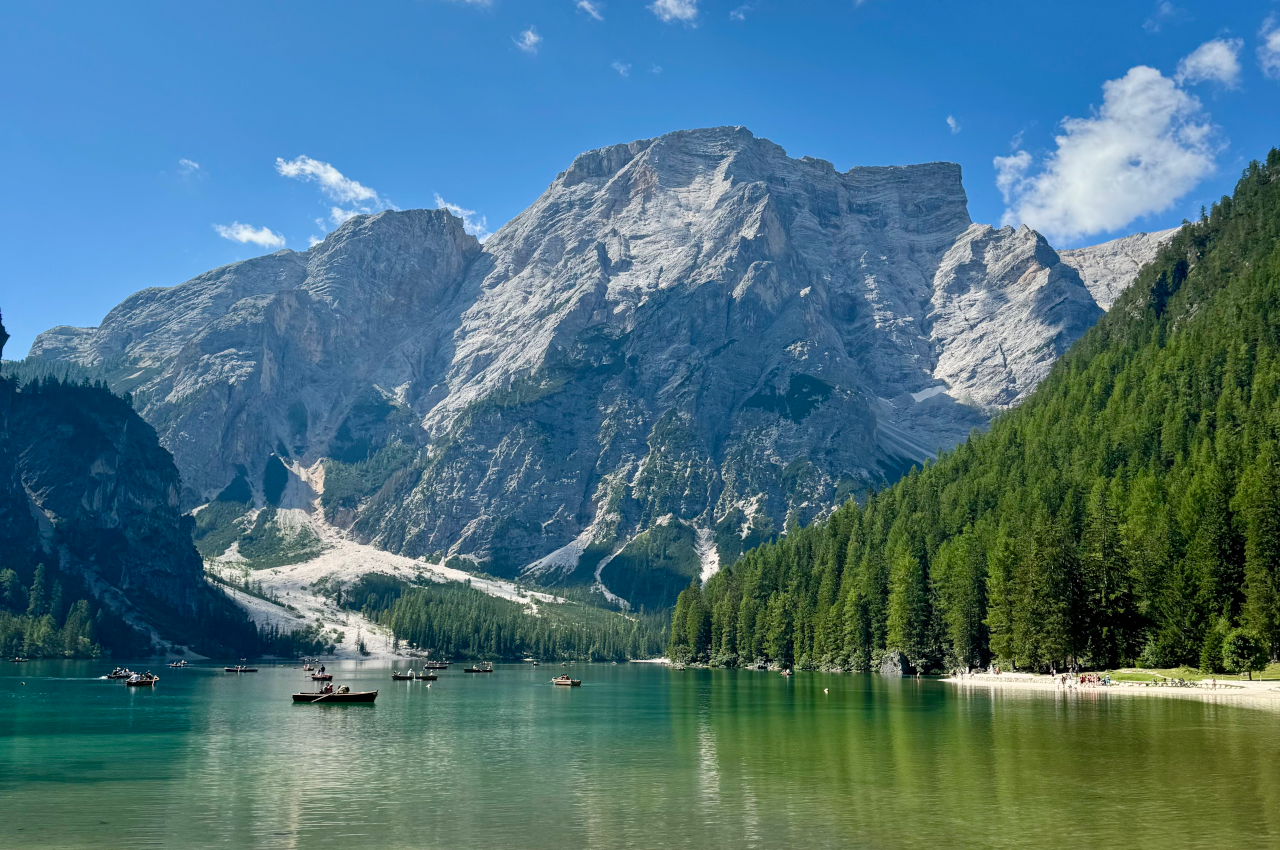
Imagine a turquoise-blue lake surrounded by towering mountains and peaceful trails, all wrapped in that unique calm that only Italian nature can offer. That’s exactly the feeling I had when I arrived at Lago di Braies — or Pragser Wildsee, in German. Honestly, it’s one of the most beautiful and photogenic spots in the Dolomites, in northern Italy, the kind of place that makes you want to pause everything just to soak in the view.
In this complete guide, you'll discover everything you need to know to visit Lago di Braies: how to get there, costs, best time to visit, what to do, and essential tips to save money and make the most of your trip. Save this post to your itinerary — this place is truly unforgettable!
Our blog brings you in-depth information about each country and city to make your travel experience even richer. If you want to jump straight to the Lago di Braies details, click here or choose one of the options below.
What you’ll find in this post:
Where is Lago di Braies?
Lago di Braies, also known as Pragser Wildsee in German, is located in the far north of Italy, in the stunning region of Trentino-Alto Adige (also known as South Tyrol), inside the Fanes-Sennes-Braies Nature Park. This park is part of a protected area in the Dolomites, one of the most iconic mountain ranges in the Italian Alps.
More precisely, the lake is nestled in the Val di Braies, an alpine valley connected to the Val Pusteria (Pustertal), one of the main access routes in the region. It's about 100 km from Bolzano, one of the nearest provincial capitals, and even closer to towns like Brunico (Bruneck), Dobbiaco (Toblach), and Villabassa (Niederdorf). These towns offer good tourist infrastructure and are excellent starting points to explore the lake and other wonders of the Dolomites.
Although the lake is in Italy, the region is heavily influenced by Austrian culture — so much so that many locals speak German as their first language. This cultural blend is reflected in bilingual signs, local customs, alpine architecture, and the regional cuisine, which mixes the best of Tyrolean tradition with Italian charm.
Access to Lake Braies is relatively easy, especially during the warmer months. Most visitors arrive by car or public transportation from cities like Innsbruck (in Austria), Bressanone, or even from Venice and Verona. During the summer, traffic is restricted to protect the local environment, so it’s common to use buses, shuttles, or even bikes for the final stretch to the lake.
What are the Dolomites?
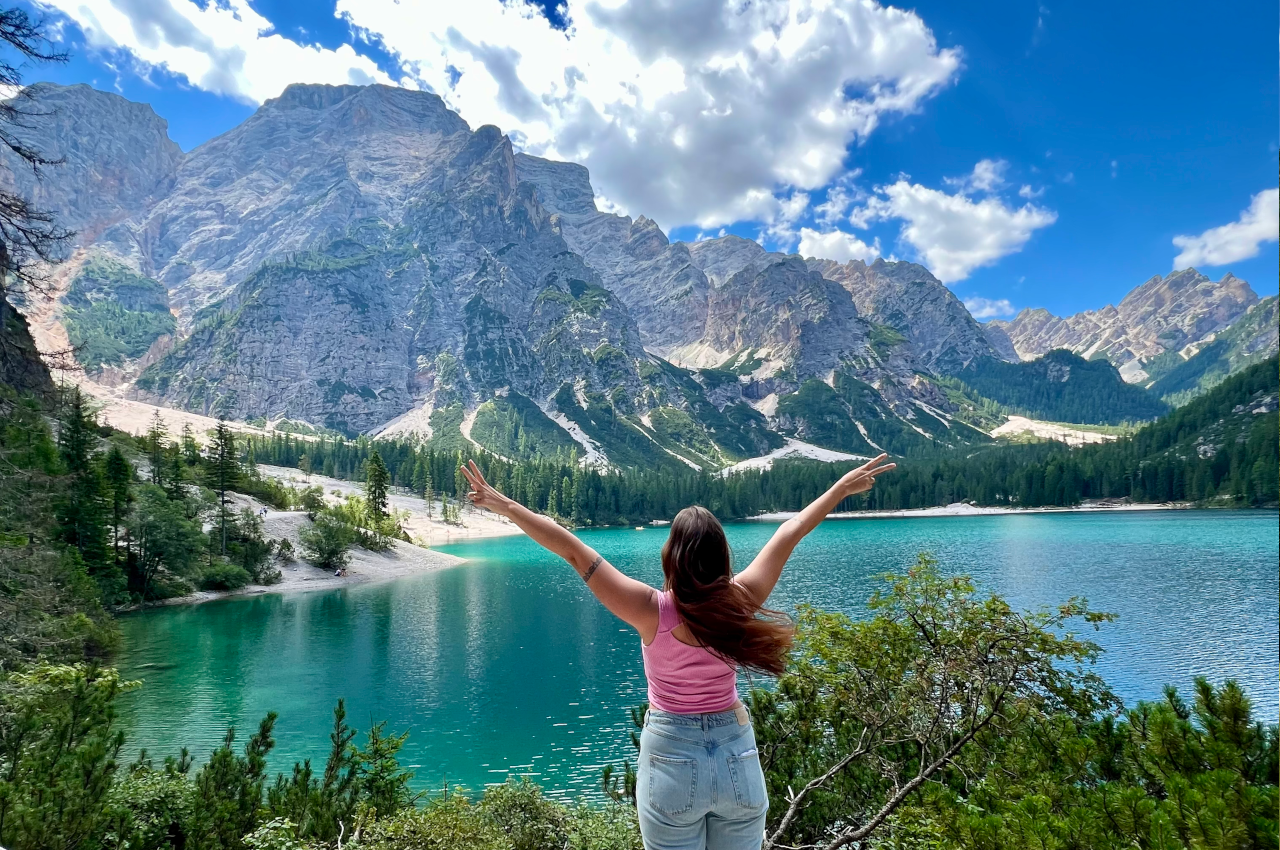
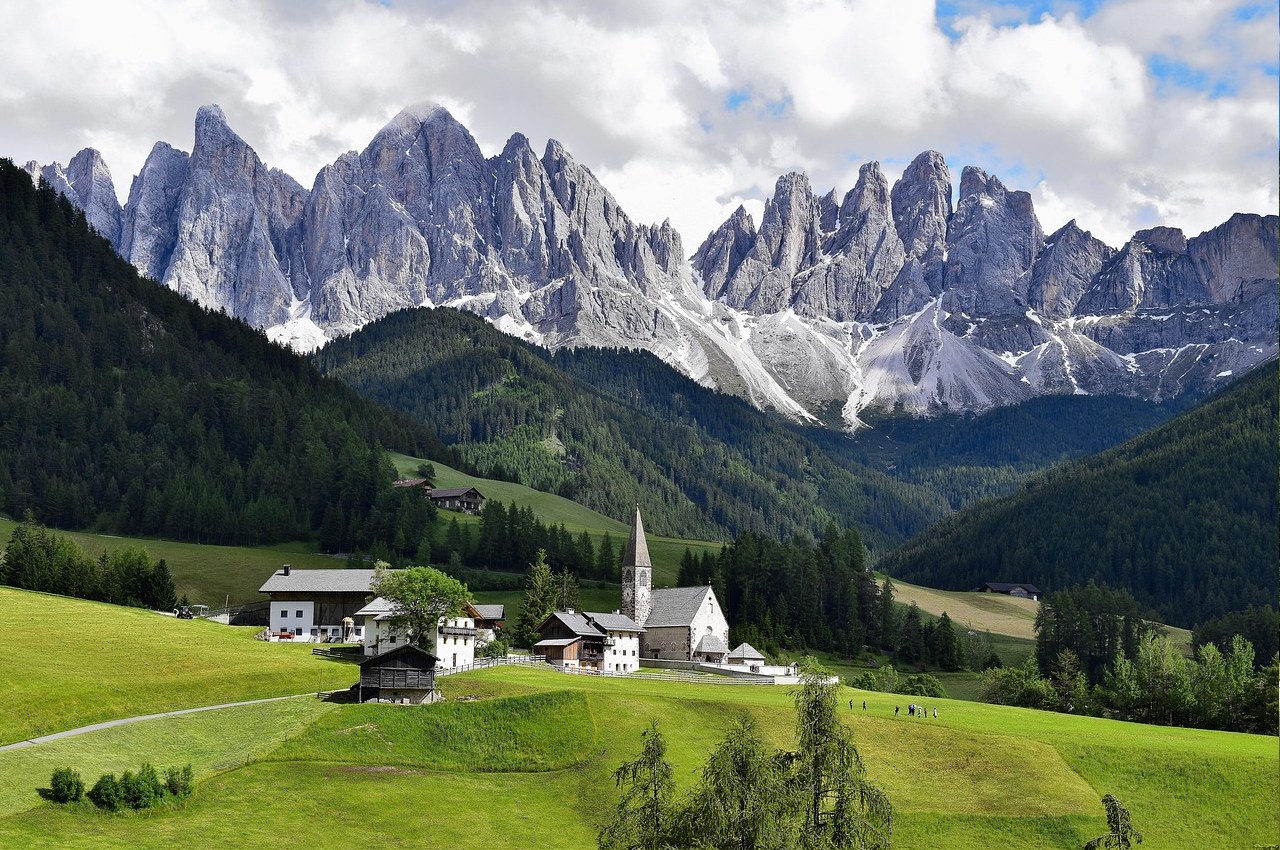
The Dolomites are one of the most fascinating mountain regions in Europe and a true natural paradise. Located in northeastern Italy, they stretch across three regions: Trentino-Alto Adige, Veneto, and Friuli-Venezia Giulia. This mountain range is composed of sedimentary rocks rich in dolomite—a mineral that gives the region its name and reflects light in a unique way, creating color effects that change throughout the day.
Since 2009, the Dolomites have been recognized as a UNESCO World Heritage Site, not only for their unique geology but also for their incredible scenic and biological diversity. With peaks that exceed 3,000 meters in altitude, such as Marmolada, deep valleys, ancient forests, and glacial lakes like Lake Braies and Lake Carezza, the region offers breathtaking landscapes in every season.
The Dolomites are also a popular destination for those who love hiking, climbing, skiing, photography, and nature tourism. Around every corner, you'll encounter cinematic scenery, charming alpine villages, and mountain huts that look straight out of a fairy tale. In summer, trails come to life with wildflowers and the sound of cowbells in the meadows. In winter, the region transforms into a perfect destination for snow sports.
Whether you're an adventurer or simply someone looking for peace and natural beauty, the Dolomites have something special to offer. And Lake Braies is undoubtedly one of the most precious gems of this magical landscape.
How to Get to Lake Braies?
Lake Braies does not have an airport nearby. To get there, the most common option is to use one of the regional airports as a base, then travel by train, bus, or rental car to nearby towns like Dobbiaco or Villabassa. From there, you can take a direct bus to the lake.
Below are the main airports you can use as a starting point:
- Bolzano: a regional airport, ideal for those who want to stay close to the Dolomites.
- Venice: an international airport with many connections, excellent for travelers coming from outside Europe.
- Verona: also international, with good connections and easy access to the Dolomites.
- Innsbruck (Austria): a good option for those traveling through Central Europe and wishing to combine their trip with Austria.
Example 1: From Venice (around 5h)
From Venice, you can take the Cortina Express (line 101) bus to Cortina d'Ampezzo, getting off at the Via dello Stadio stop. Then, take bus 445 to Dobbiaco Autostazione. Finally, continue with bus 442, which takes you directly to Lake Braies.
Example 2: From Bolzano (around 3h)
From Bolzano, you can take a regional train to Dobbiaco. The platform Omio makes it easy to search for schedules and connections. Once in Dobbiaco, just take bus 442 to Lake Braies.
Where to Stay?
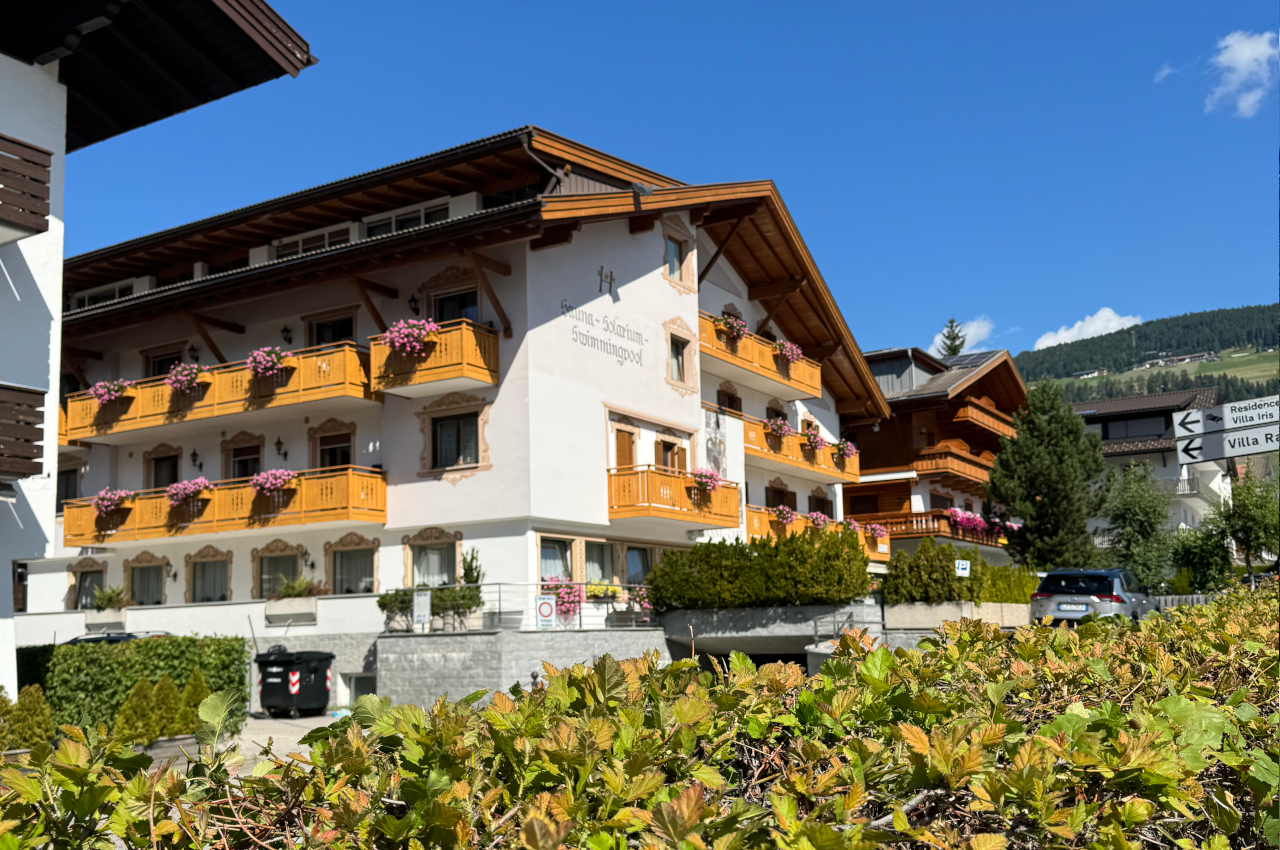
If you're planning to visit Lake Braies and explore the Dolomites, there are various accommodation options to suit different styles and budgets. Here are some recommendations:
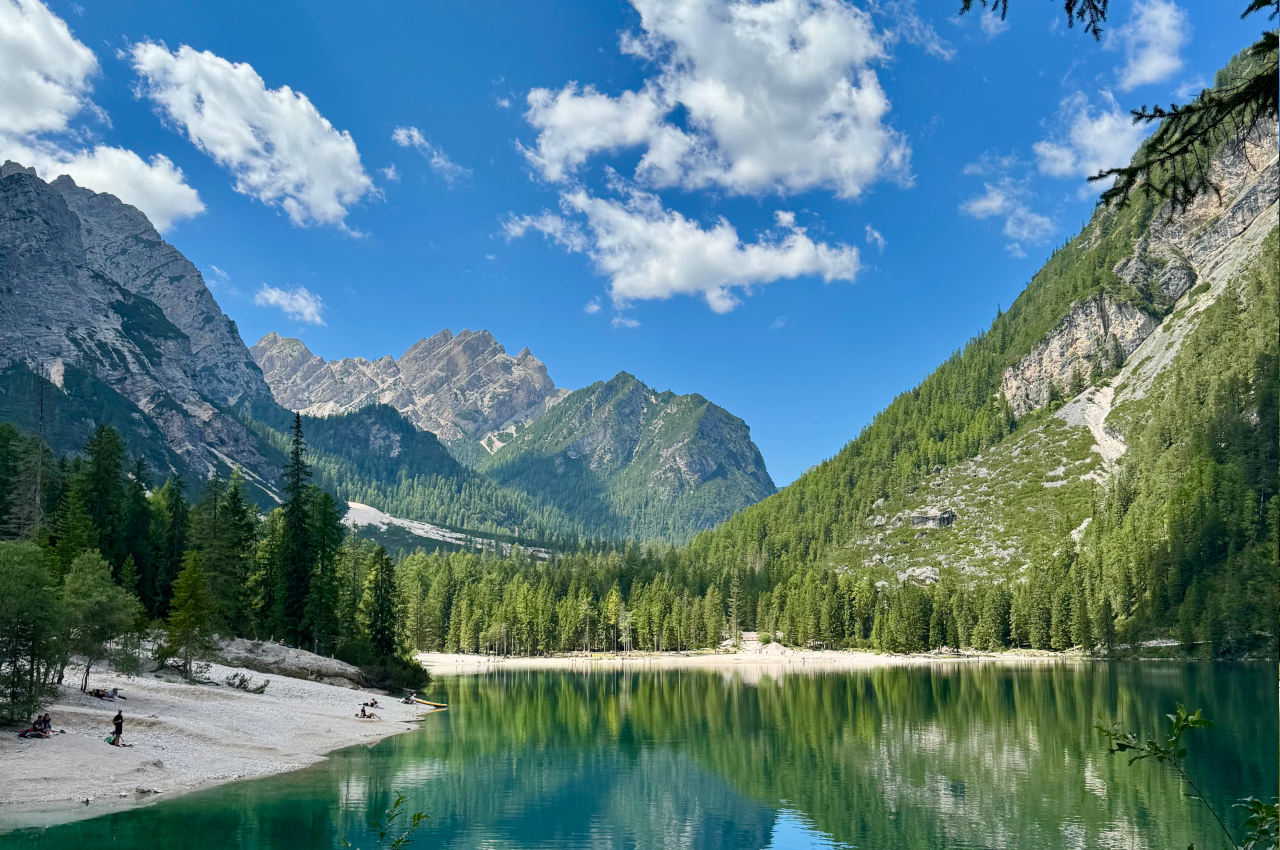
- Accommodation near Lake Braies: There are a few guesthouses and boutique hotels by the lake, perfect for those who want to enjoy the sunrise and the peaceful nature early in the morning. Since they are limited and highly sought after, it's essential to book well in advance, especially in summer.
- Villabassa (Niederdorf) and Dobbiaco (Toblach): These charming alpine villages are a short distance from the lake and offer good infrastructure, with traditional restaurants, shops, and train and bus stations, making it easy to reach Lake Braies.
- Brunico (Bruneck) and Cortina d'Ampezzo: For those who prefer a more developed tourist area with more leisure options, restaurants, bars, and services, these larger towns are great bases. They also allow for easy access to other areas of the Dolomites.
To find this and other accommodation options in the region, you can search on Hoteis.com, with many suggestions in Dobbiaco and nearby villages.
What to Do at Lago di Braies?
Lago di Braies is more than just a postcard-worthy place. The region offers several activities that combine nature, tranquility, and adventure. Here are some must-do experiences:
- Lake trail: About 3.6 km long, this easy trail circles the entire lake and is suitable for almost all travelers. In around 1 hour, you’ll pass by amazing viewpoints and scenic photo spots.
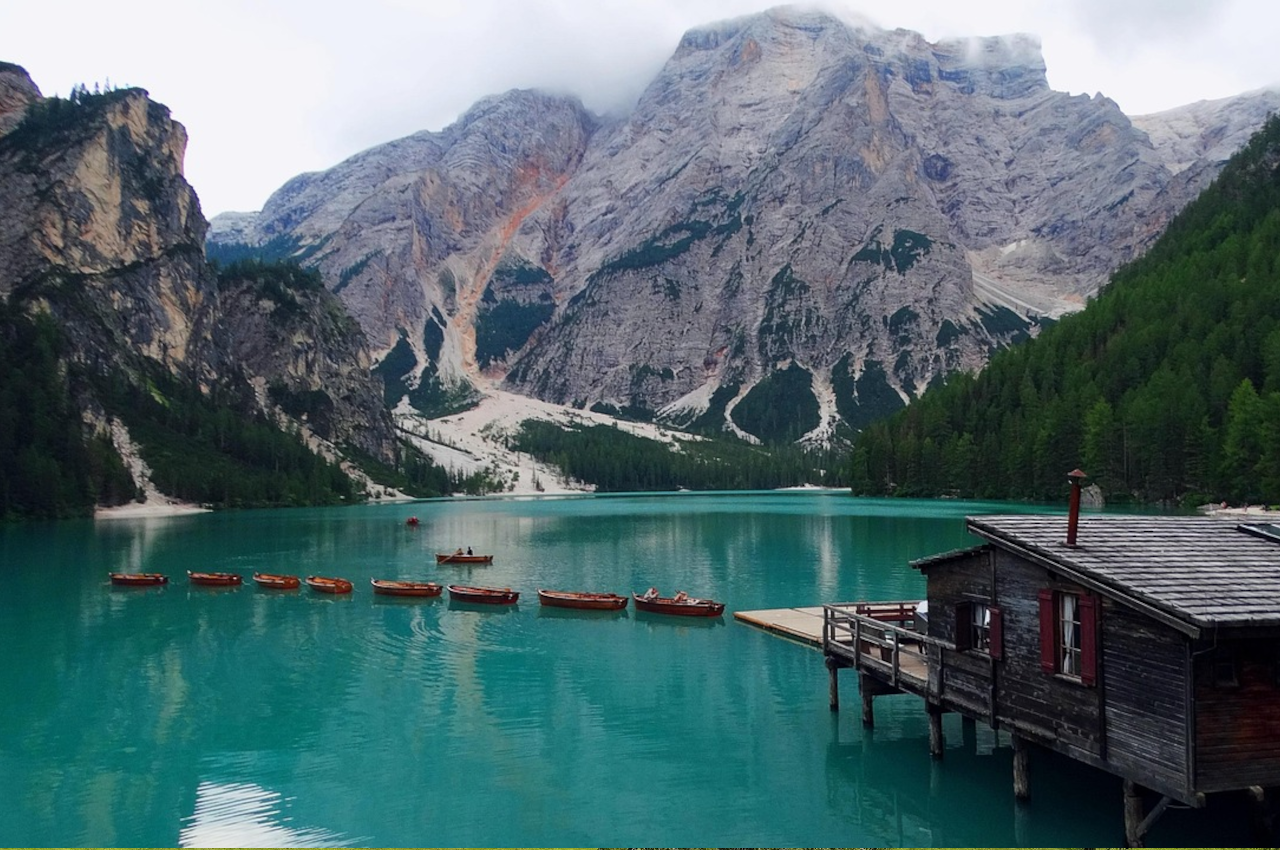
- Rowboat ride: Renting a wooden boat is one of the most iconic experiences at Lago di Braies. The surrounding landscape, with mountains reflected in emerald waters, creates a cinematic setting. Rentals are charged by time and often sell out quickly during summer months.
- Picnic by the shore: If you just want to relax, there are pleasant areas for a picnic with a lake view. You can also opt for nearby restaurants and cafés offering typical dishes with stunning views.
- Mountain hikes: If you have more time and physical preparation, there are more demanding trails leading from the lake to alpine refuges and panoramic viewpoints in the Dolomites.
How Much Does It Cost to Visit Lago di Braies?
Visiting Lago di Braies can be a budget-friendly or more luxurious experience, depending on your travel style. Here are the updated and approximate costs:
- Entrance: Free. There is no fee to access the lake or to walk the main trail.
- Parking: According to the Prags Parking website, parking near the lake costs €38 per day. However, €15 of this amount can be used as credit in partner restaurants. Arrive early to secure a spot.
- Boat rental: A shared boat ride starts at €15 per person. A private boat rental (for up to 5 people) costs around €55. Updated information is available on the official La Palafitta website.
- Public transport: Bus 442 from Dobbiaco to Lago di Braies costs around €13 (round trip). During high season, public transport is highly recommended due to car access restrictions.
- Accommodation: Prices vary greatly, especially in summer when the region is in high demand. In nearby villages like Villabassa or Dobbiaco, you can find rates starting at €60. Near the lake, prices may exceed €200 per night.
Important Tips for Your Visit
To make the most of your visit to Lago di Braies, it’s worth following a few recommendations:
- Best time to visit: June to September offers more stable weather and open trails. October brings beautiful autumn landscapes, but colder temperatures and fewer services.
- Avoid driving in summer: From July to September, car access to the lake is restricted between 9 AM and 4 PM. In this case, use local buses or shuttles, which run frequently.
- Arrive early: Before 9 AM is the best time to avoid crowds, take great photos, and enjoy the lake’s peaceful atmosphere.
- Dress appropriately: Even in summer, mornings can be chilly. Bring a light jacket and wear comfortable shoes, especially if you plan to hike.
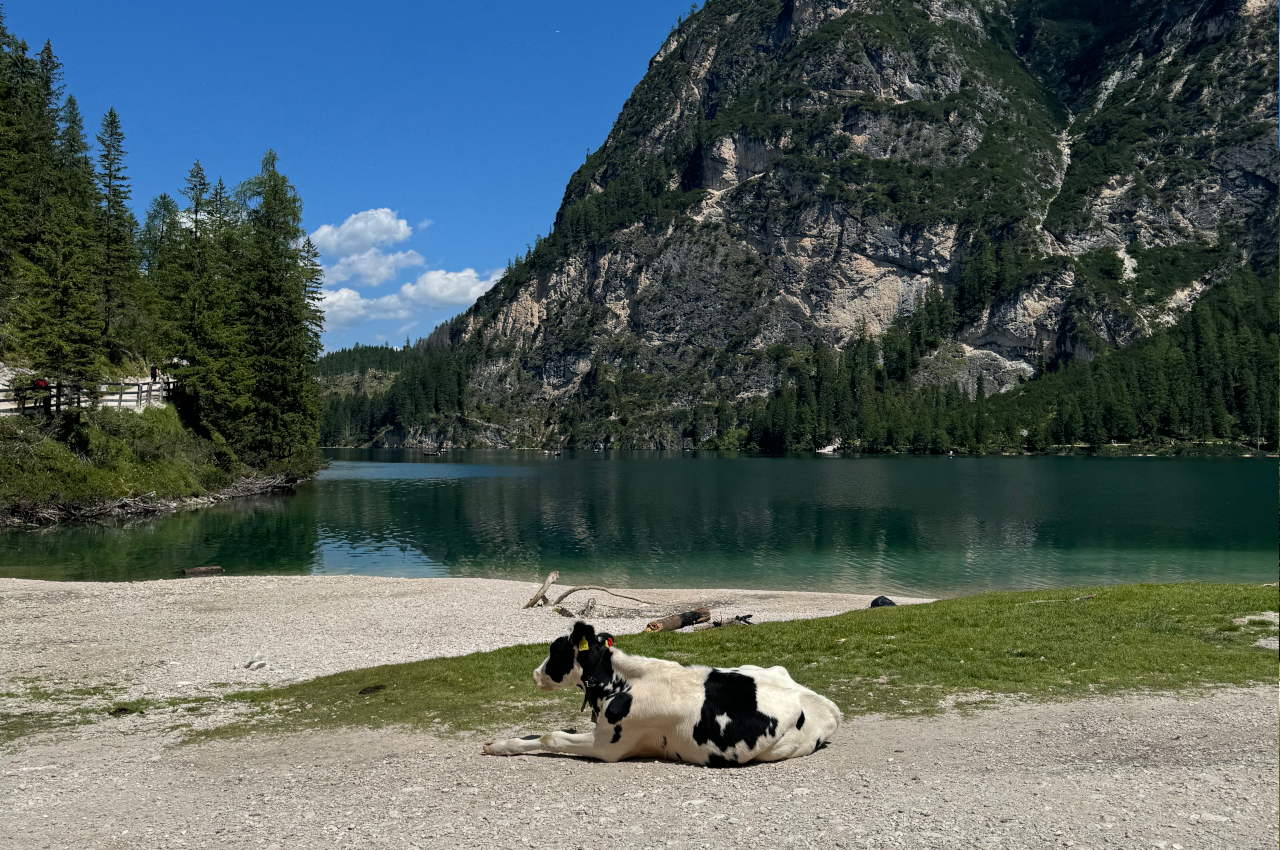
Lago di Braies is a must-visit for those who love natural landscapes, tranquility, and alpine beauty. Every twist and turn on the road is worth it. Plan carefully, respect the environment, and enjoy one of the most enchanting gems of the Dolomites.
Our recommended partners
These are companies and services that we use or recommend to make your trip easier. By booking through our links, you support Feitos para Viajar at no extra cost.
Accommodation for your trip
Find hotels, apartments and accommodations for every travel style and budget.
Tours and experiences
Book tours, tickets and unforgettable experiences in the destinations you visit.
Internet while traveling
Stay connected with an international eSIM to use maps, translation and apps without relying on Wi-Fi.
International payments and exchange
Save money abroad with an international account and competitive exchange rates.
Travel insurance
Travel with peace of mind with coverage for medical emergencies and unexpected situations.
Train and bus tickets
Compare and book train and bus tickets across Europe in one simple platform.

Written by
Feitos para Viajar
We're Fernanda and Vinicius, travel content creators since 2021. As software engineers living in Germany, we share real travel experiences to help you discover both iconic destinations and hidden gems.
Gostou das nossas dicas? Então compartilhe este blog com seus amigos e siga-nos para mais sugestões de viagem! Estamos aqui para ajudar você a explorar o mundo com confiança e planejamento.


