


One of the most common questions when planning a trip to Rome is: What is the best time to visit the city?
The answer depends a lot on the type of experience you are looking for. Rome is a city that can be visited all year round, but each season offers a different experience: spring with pleasant weather and flowers, summer with long days and lots of movement, autumn with perfect temperatures for walking, and winter with fewer tourists.
We believe that choosing the right time for your trip makes a big difference in Rome, especially because many of the city's attractions are outdoors. Walking around the Colosseum, Roman Forum, Trevi Fountain and the small streets of the city is much more enjoyable when the weather is pleasant.
Weather in Rome: what to expect in each season
Spring (March to May)
Spring is one of the best times to visit Rome. Temperatures are usually between 10°C and 22°C, the days start getting longer and the city becomes very pleasant.
It is a great choice for those who want to explore Rome on foot, visit outdoor historical attractions and enjoy parks and squares without facing the intense summer heat.
During this season, we recommend booking tickets for the main attractions in advance, especially the Colosseum and the Vatican, as Rome welcomes visitors throughout the year.
Highlight: April and May usually offer one of the best balances between pleasant weather and tourist crowds.
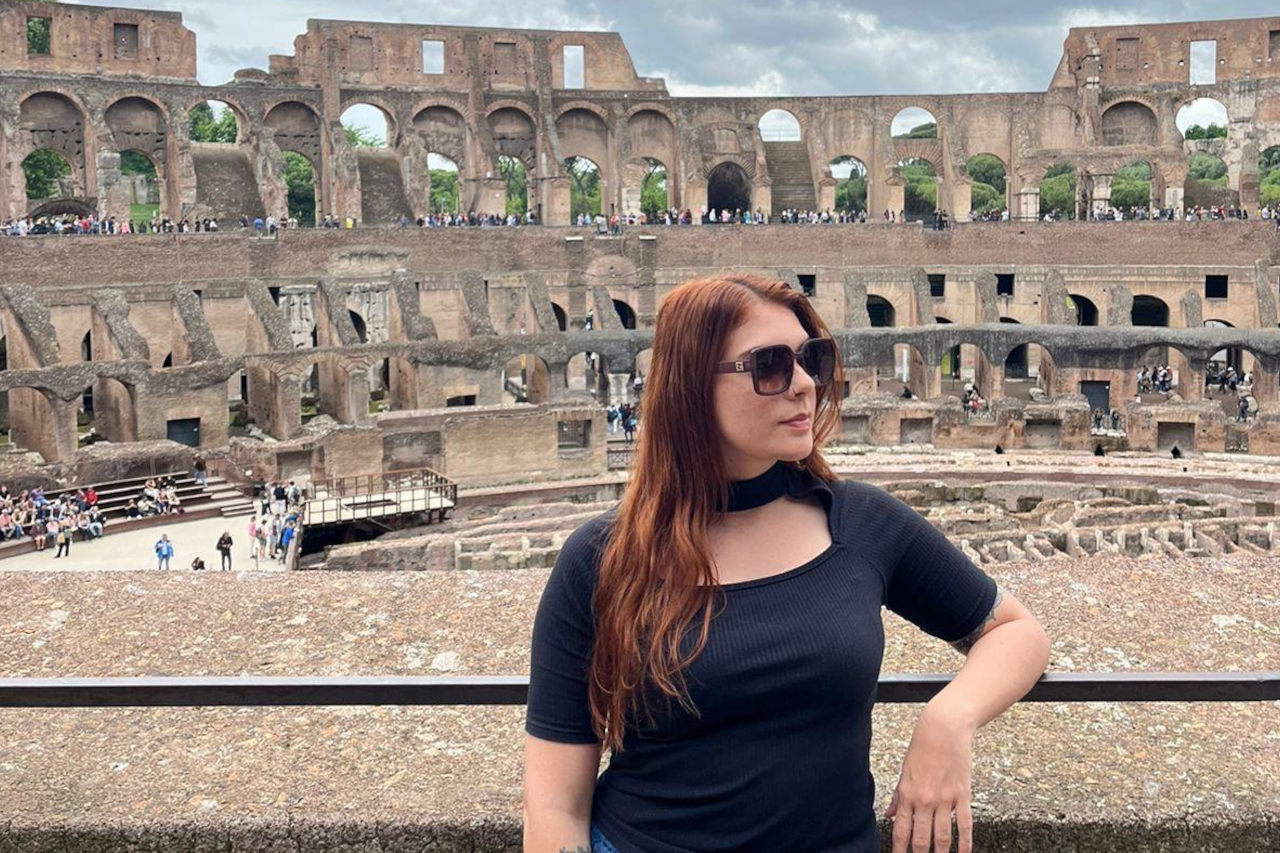
Summer (June to August)
Summer is the high season in Rome. Temperatures are usually between 25°C and 35°C, and can exceed 35°C on the hottest days.
The days are very long, giving you plenty of time to enjoy the city, take evening walks and visit attractions after sunset.
On the other hand, this is also the busiest season. The main attractions get crowded, especially in July and August, and the heat can make walking tours more tiring.
If you travel during this period, we recommend starting your sightseeing early, carrying water, wearing light clothing and leaving outdoor attractions for the cooler hours of the day.
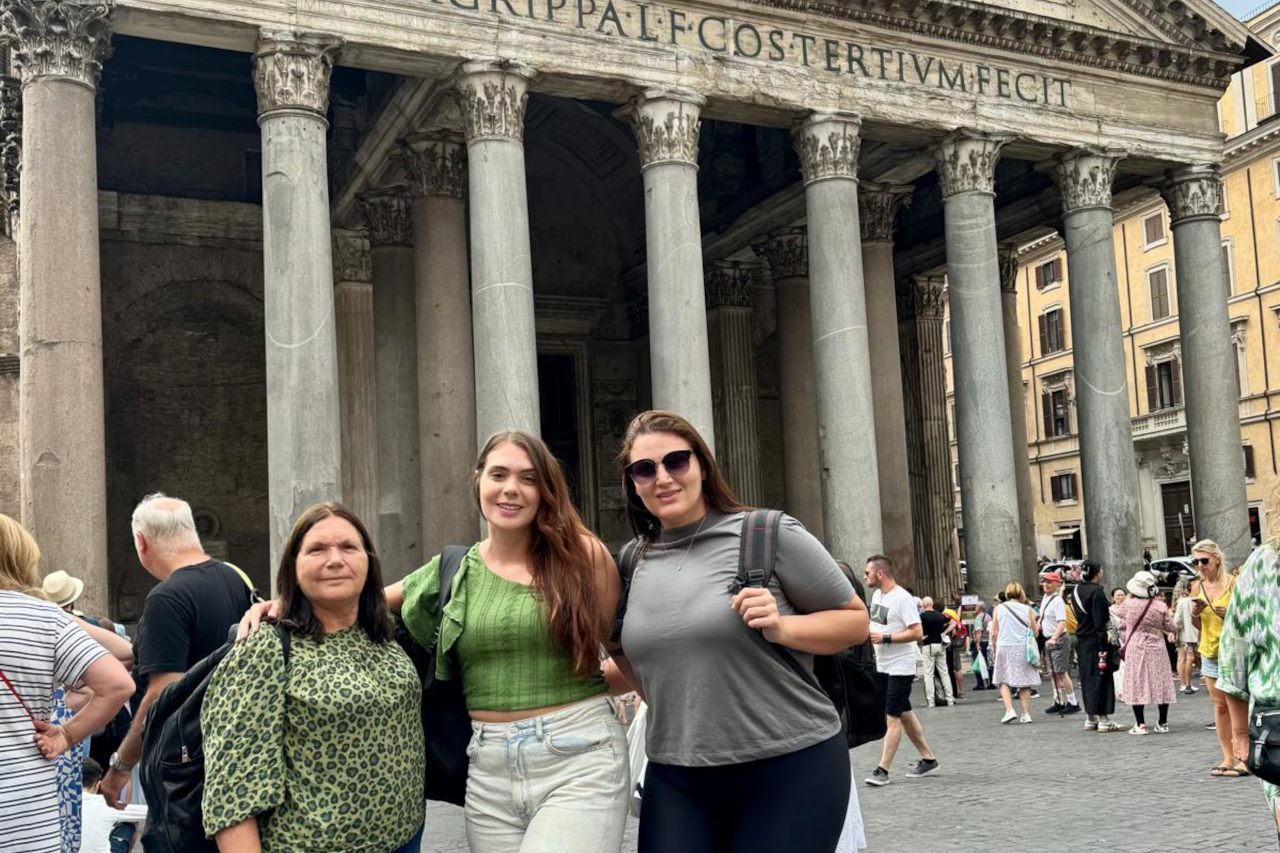
Autumn (September to November)
Autumn is one of the best times to visit Rome. Temperatures are still pleasant in September, around 25°C, and gradually decrease to approximately 12°C in November.
The city becomes a little quieter after the peak of summer, making sightseeing much more comfortable. It is a great season for walking through historic streets, visiting monuments and enjoying restaurants with outdoor seating.
Additionally, autumn light makes Rome even more beautiful, especially in the late afternoon when historic buildings take on golden tones.
Highlight: September and October are considered by many travelers the best months to visit Rome, combining pleasant weather with fewer crowds than summer.
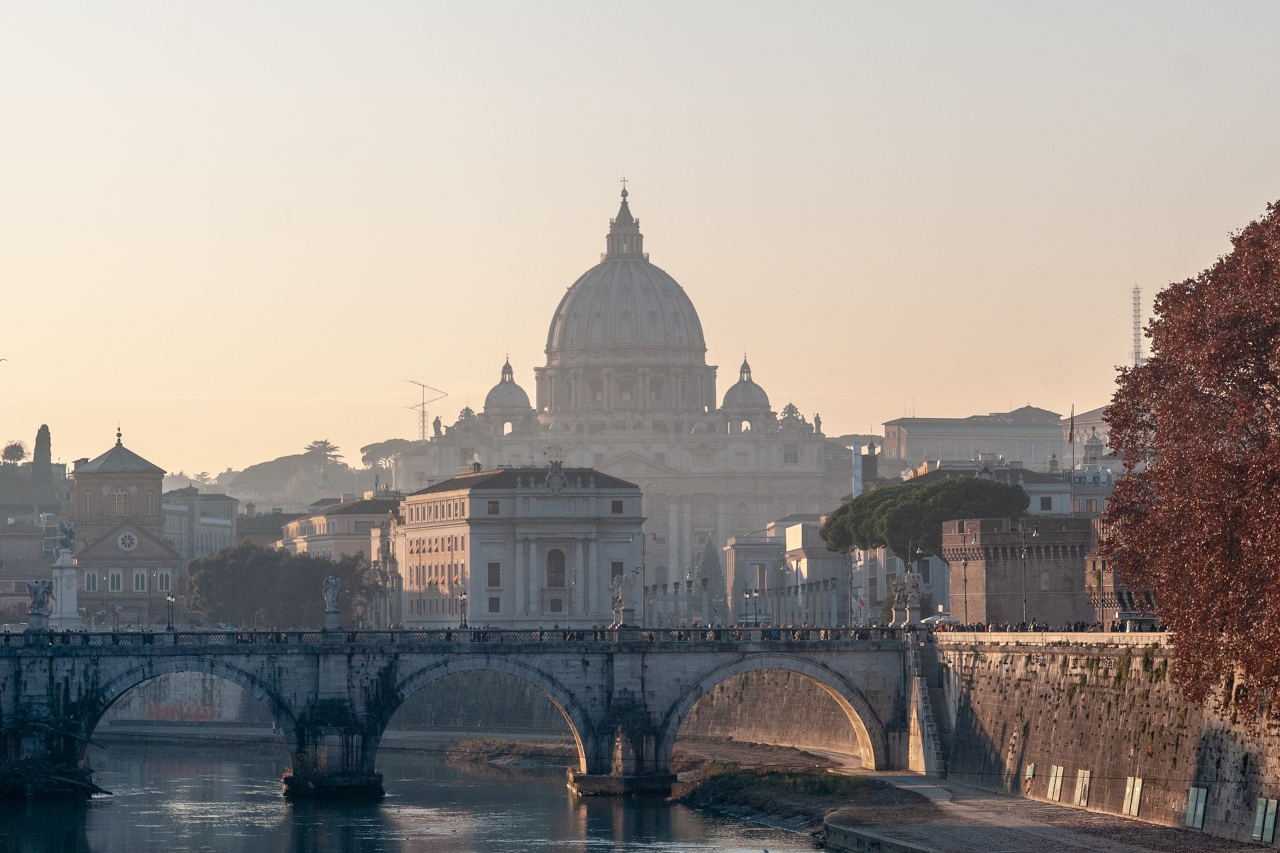
Winter (December to February)
Winter in Rome is relatively mild compared to other European cities. Temperatures are usually between 4°C and 13°C, with cold days but very rare snowfall.
This is a great time for those who want to explore Rome with fewer tourists, visit museums more calmly and find better accommodation prices.
December has a special charm because of the Christmas decorations, Christmas markets and the religious events at the Vatican.
During Christmas and New Year's Eve, the city becomes busier, especially in areas close to the Vatican and the main squares.
Highlight: For those who want to visit the Vatican, Easter is also a very special period, but it usually has higher demand because of religious celebrations.
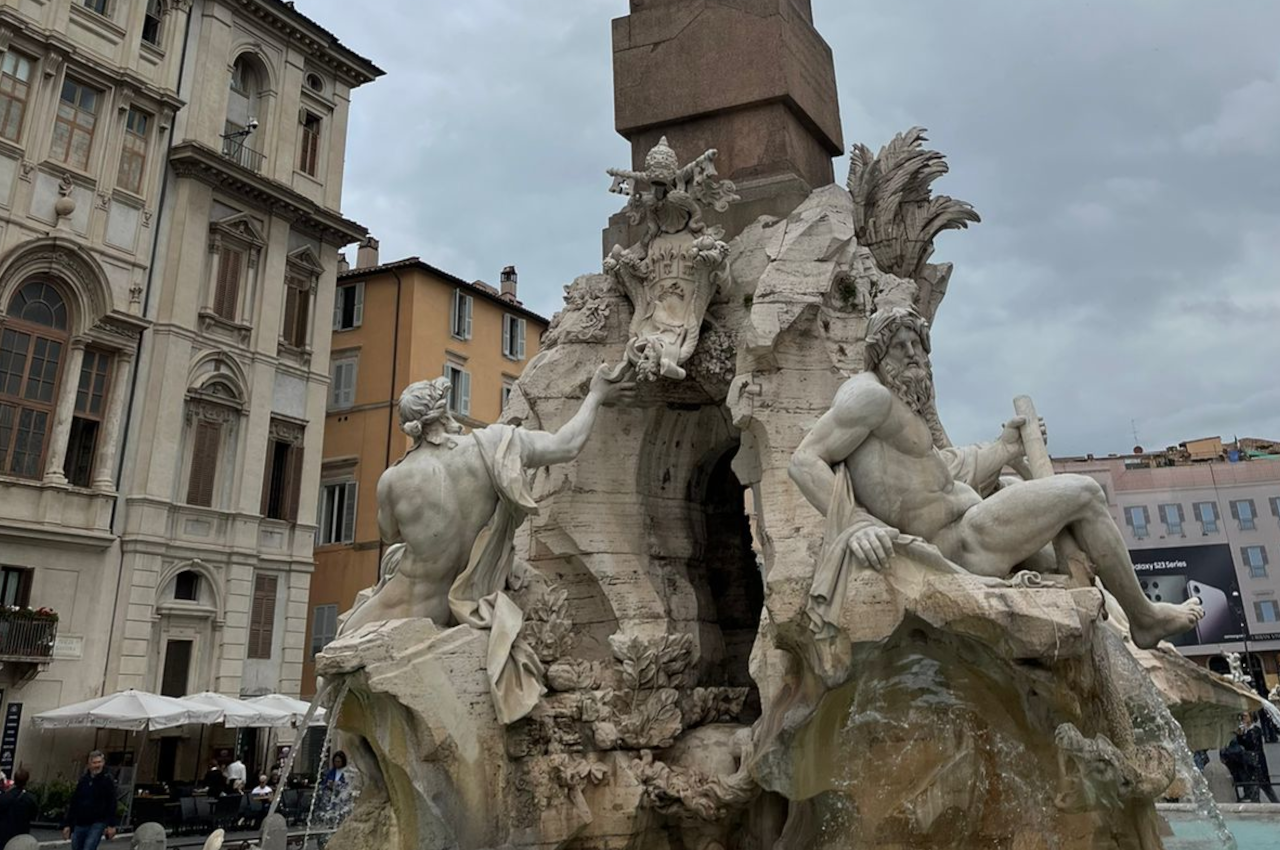
Rome events calendar
Besides the seasons, some events can greatly influence your travel dates. If you want to experience specific celebrations, it is worth considering these periods:
- January: quieter period, ideal for visiting attractions with shorter lines.
- April: Holy Week celebrations and events at the Vatican, especially during Easter.
- June: Festa della Repubblica, Italy's national holiday celebrated on June 2nd.
- June to August: Roman summer, with outdoor events, busy restaurants and longer evenings.
- December: Christmas decorations, markets and celebrations at the Vatican.
Frequently asked questions about Rome's weather
Does it snow in Rome?
Snow in Rome is extremely rare. The city has a Mediterranean climate, with cold winters but usually without long periods of snow.
When snowfall does happen, it is a very unusual event and often transforms the historic monuments into an even more special scene.
Which month has the best weather in Rome?
For most travelers, the best months to visit Rome are April, May, September and October.
These periods offer pleasant temperatures for walking, less extreme heat and great conditions for enjoying outdoor attractions.
What is the cheapest month to visit Rome?
January, February and November are usually the months with fewer tourists, which can result in better accommodation prices.
The exception is during Christmas, New Year's Eve and Holy Week, when demand increases significantly.
How many days are needed to visit Rome?
To see the main tourist attractions in Rome, we recommend at least 3 full days.
With 4 or 5 days, you can explore the city at a slower pace, visit the Vatican, discover less touristy neighborhoods and take nearby trips, such as Tivoli.
Summary: which season should you choose to visit Rome?
- Best balance: April, May, September and October.
- To avoid crowds: January, February and November.
- To enjoy longer days: June and July.
- To visit the Vatican during a special period: Easter and Christmas.
- To save money: January, February and November.
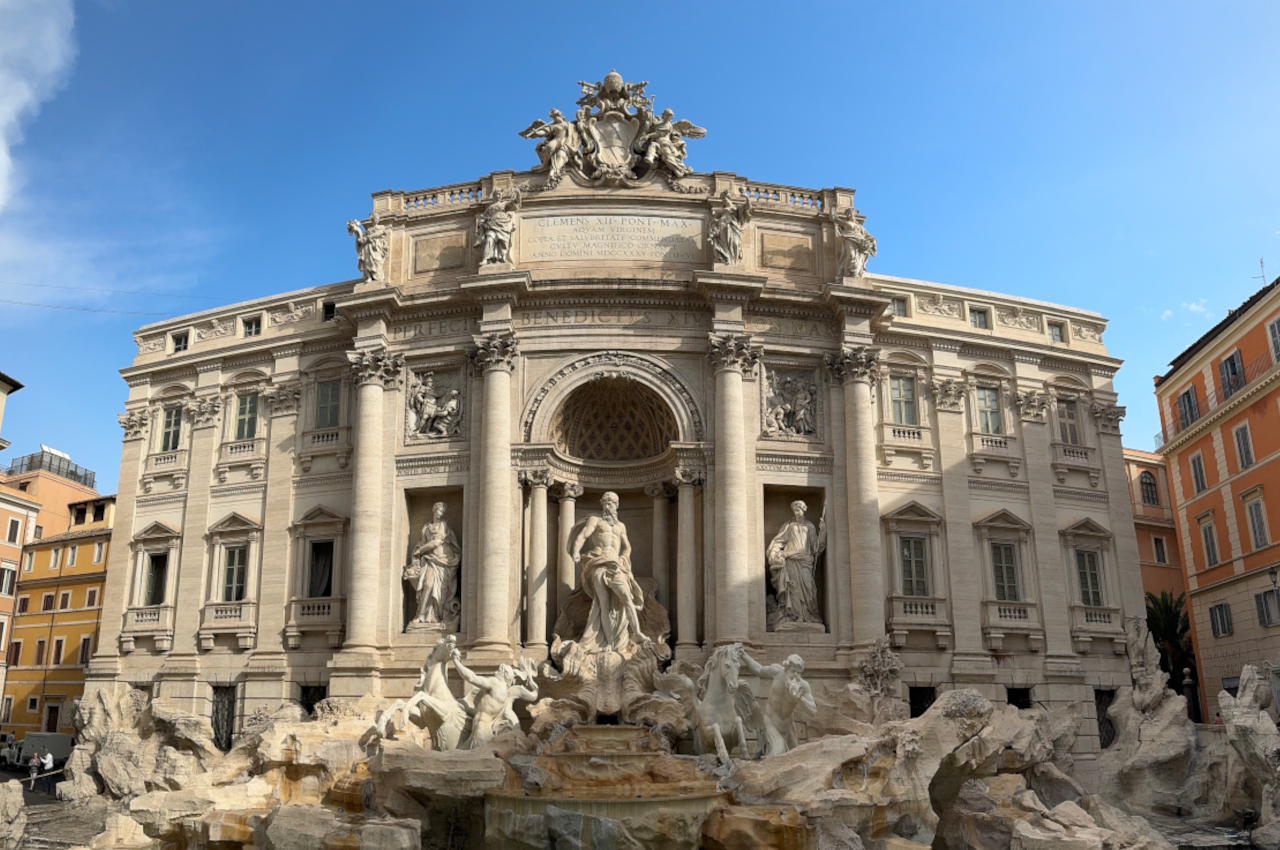
Our favorite time to visit Rome
If we had to choose the best time to visit Rome, we would choose spring or early autumn.
These seasons have the perfect weather for the type of experience Rome offers: walking without rushing, sitting in a square, having an Italian coffee and discovering historic corners spread throughout the city.
In summer, despite the long days and the city's energy, the heat can make sightseeing more tiring, especially for those planning to visit many outdoor attractions.
In winter, Rome becomes quieter and more charming, making it a great option for travelers who prefer fewer crowds and want to enjoy museums and restaurants at a slower pace.
But regardless of the season you choose, Rome always delivers a unique experience. The city combines history, gastronomy, art and everyday Italian life in a way that few places in the world can.
Continue planning your trip to Rome
Now that you know when to visit Rome, continue planning your trip with the next parts of our complete guide:
- How to get to Rome Find information about airports, trains, public transportation and how to reach the city center.
- Things to do in Rome Discover the main attractions, historic monuments and unforgettable experiences.
- Where to stay in Rome Discover the best neighborhoods to stay and tips for choosing the ideal area.
- Where to eat in Rome Discover typical Italian dishes, restaurants and gastronomic experiences.
Our recommended partners
These are companies and services that we use or recommend to make your trip easier. By booking through our links, you support Feitos para Viajar at no extra cost.
Accommodation for your trip
Find hotels, apartments and accommodations for every travel style and budget.
Tours and experiences
Book tours, tickets and unforgettable experiences in the destinations you visit.
Internet while traveling
Stay connected with an international eSIM to use maps, translation and apps without relying on Wi-Fi.
International payments and exchange
Save money abroad with an international account and competitive exchange rates.
Travel insurance
Travel with peace of mind with coverage for medical emergencies and unexpected situations.
Train and bus tickets
Compare and book train and bus tickets across Europe in one simple platform.

Written by
Feitos para Viajar
We're Fernanda and Vinicius, travel content creators since 2021. As software engineers living in Germany, we share real travel experiences to help you discover both iconic destinations and hidden gems.
Gostou das nossas dicas? Então compartilhe este blog com seus amigos e siga-nos para mais sugestões de viagem! Estamos aqui para ajudar você a explorar o mundo com confiança e planejamento.

