


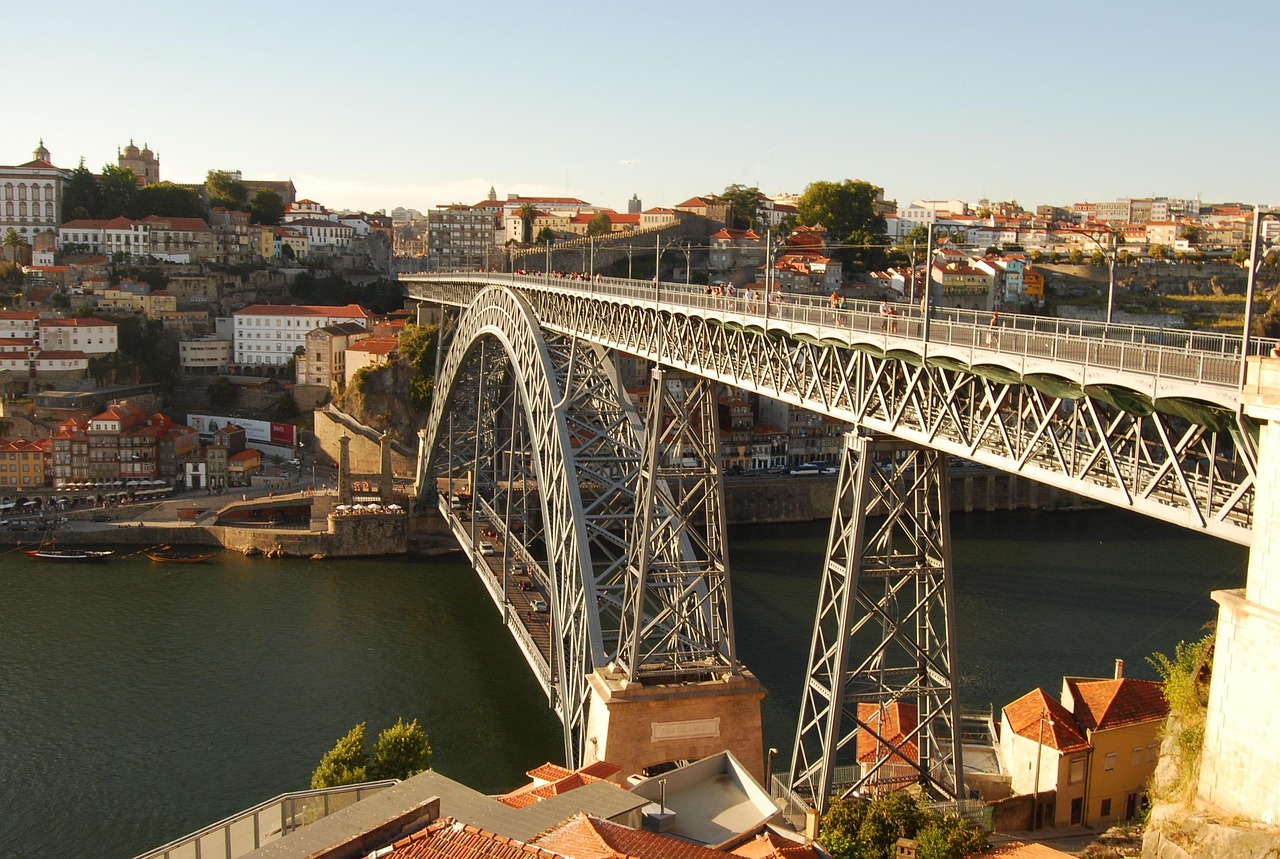
Porto is one of the most charming cities in Portugal (we lived here for 1 year) and one of the most authentic destinations in Europe. Located in the north of the country, the city is famous for its colorful buildings, historic streets, beautiful viewpoints, traditional cuisine, and the Douro River that shapes its landscape.
Known as the City of Bridges and the birthplace of Port wine, Porto combines centuries of history with a relaxed atmosphere. Walking through its streets means discovering churches covered with tiles, traditional neighborhoods, local restaurants, and viewpoints with unforgettable views.
Besides exploring the city itself, Porto is also an excellent base for discovering other incredible destinations in northern Portugal, such as the Douro Valley, Braga, Guimarães, Aveiro, and the beaches along the Atlantic coast.
In this complete guide, you will find everything you need to plan your trip to Porto: essential information, the best time to visit, costs, transportation, accommodation, attractions, and practical tips to make the most of your experience.
Quick information about Porto
- Country: Portugal
- Region: Northern Portugal
- Language: Portuguese (English is common in tourist areas)
- Currency: Euro (€)
- Plug type: Type C and F
- Visa: Brazilians do not need a visa for tourism stays of up to 90 days in the Schengen Area
- Best time to visit: spring and early autumn, with pleasant temperatures and fewer tourists
Frequently asked questions about Porto
Do I need to speak Portuguese to visit Porto?
No. Brazilians will have no language barrier when visiting Porto, as Portuguese is the official language of the city.
For travelers from other countries, English is widely spoken in hotels, restaurants, tours, and tourist attractions.
Even though communication is easy, learning a few Portuguese expressions can make your experience more enjoyable and help you connect with locals.
📱 Have internet during your trip to Portugal
A practical option is using an international eSIM, which allows you to activate mobile data before arriving in Portugal, without changing your physical SIM card.
Do Brazilians need a visa for Porto?
No. Brazilians can travel to Porto and other Schengen Area countries without a visa for tourism stays of up to 90 days within a 180-day period.
At immigration, we recommend having:
- Valid passport;
- Accommodation confirmation;
- Return flight ticket;
- Proof of financial means;
- Travel insurance: mandatory for entering the Schengen Area.
Check our complete guides:
How many days are enough to visit Porto?
To visit the main attractions in Porto, we recommend spending at least 2 to 3 full days.
- 1 day: main attractions such as Ribeira, Dom Luís I Bridge, São Bento Station and Clérigos Tower.
- 2 to 3 days: ideal time to explore the city at a slower pace and discover local neighborhoods, viewpoints and wineries.
- 4 days or more: allows you to include nearby destinations such as the Douro Valley, Braga, Guimarães and Aveiro.
Is Porto a good base for exploring other places in Portugal?
Yes! Porto has an excellent location for exploring northern Portugal.
The city has a modern train network with connections to several Portuguese destinations, making it easy to take day trips or continue your itinerary through the country.
Some nearby destinations that combine perfectly with a Porto trip are:
-
Douro Valley
One of Portugal's most beautiful regions, famous for vineyards, wine production, and breathtaking landscapes along the Douro River. -
Braga
A historic city known for its churches, religious heritage, and the impressive Sanctuary of Bom Jesus do Monte. -
Guimarães
The birthplace of Portugal, with a beautifully preserved medieval center and important historical monuments. -
Aveiro
A charming coastal city known for its canals, colorful boats, and traditional sweets called ovos moles.
How much does a trip to Porto cost?
Porto is one of the most affordable major cities in Western Europe. Compared to destinations such as Lisbon, Paris, or Rome, prices are generally lower, especially for accommodation and food.
However, as the city has become increasingly popular among tourists, prices can vary depending on the season. Booking accommodation in advance and avoiding the most touristy restaurants can help save money.
- Budget: €50–80 per day
- Mid-range: €100–160 per day
- Comfortable: €180+ per day
How much does a meal cost in Porto?
A meal at a regular restaurant in Porto costs around €12 to €25 per person on average.
Traditional restaurants outside the most touristy areas usually offer excellent value for money. Neighborhoods such as Bonfim and Cedofeita have many local restaurants with more affordable prices.
Some traditional dishes you should try include Francesinha, Bacalhau, Tripas à Moda do Porto, and Portuguese pastries.
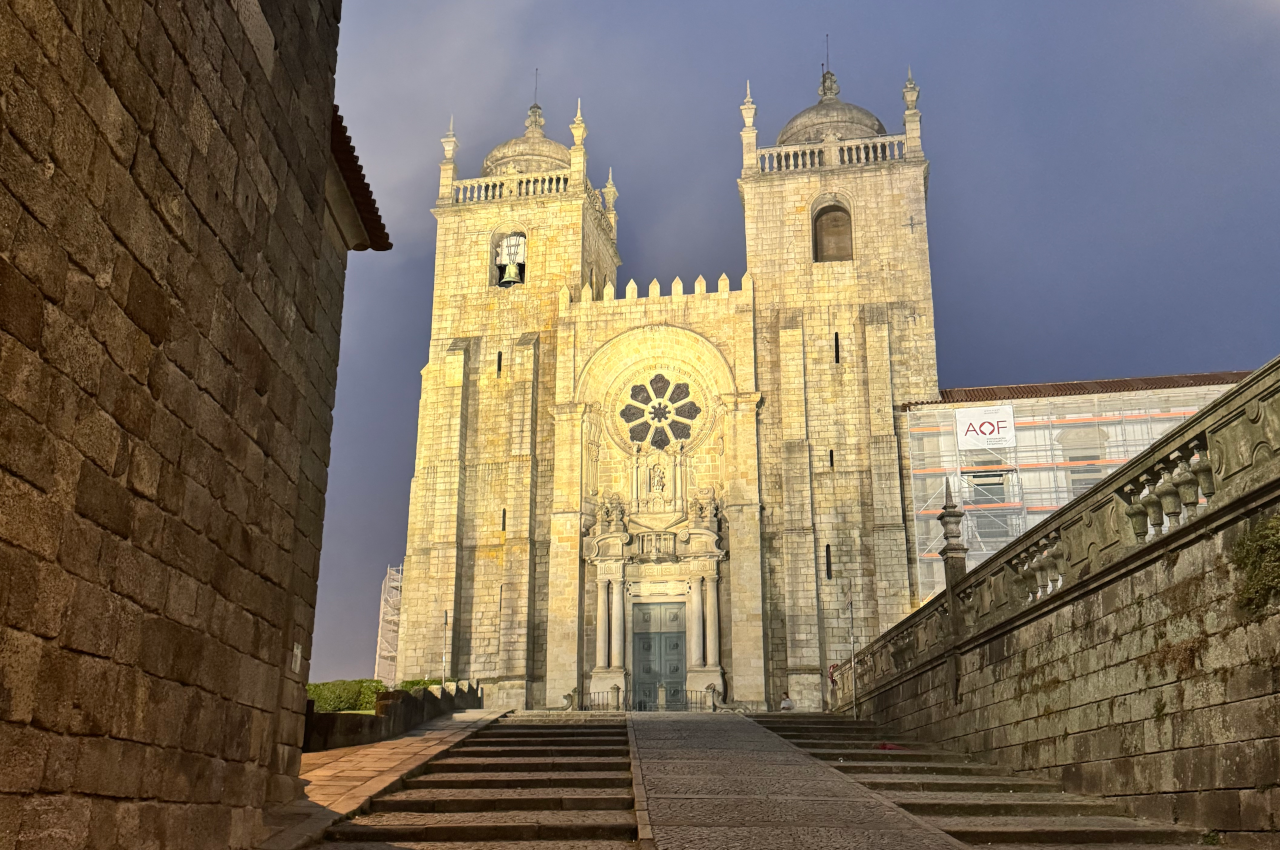
Porto is one of those cities that feels welcoming from the first moment. Walking through its historic streets, admiring the colorful buildings, tasting Portuguese cuisine, and watching the sunset over the Douro River are experiences that make the city unforgettable.
Despite being smaller than many European capitals, Porto offers a perfect combination of history, culture, gastronomy, and authentic local life. With good planning, you can discover not only the famous landmarks but also the charming details that make this city so special.
Continue planning your trip to Porto
Now that you know the basic information about the city, continue planning your trip by exploring the next parts of our complete Porto guide.
- When to visit Porto Weather, seasons, and the best time to travel.
- How to get to Porto Airport, trains, and transportation to the city center.
- Things to do in Porto Main attractions, viewpoints, and itinerary around the city.
- Where to stay in Porto Best neighborhoods and hotels for every type of traveler.
- Where to eat in Porto Restaurants, traditional food, and gastronomic experiences.

