


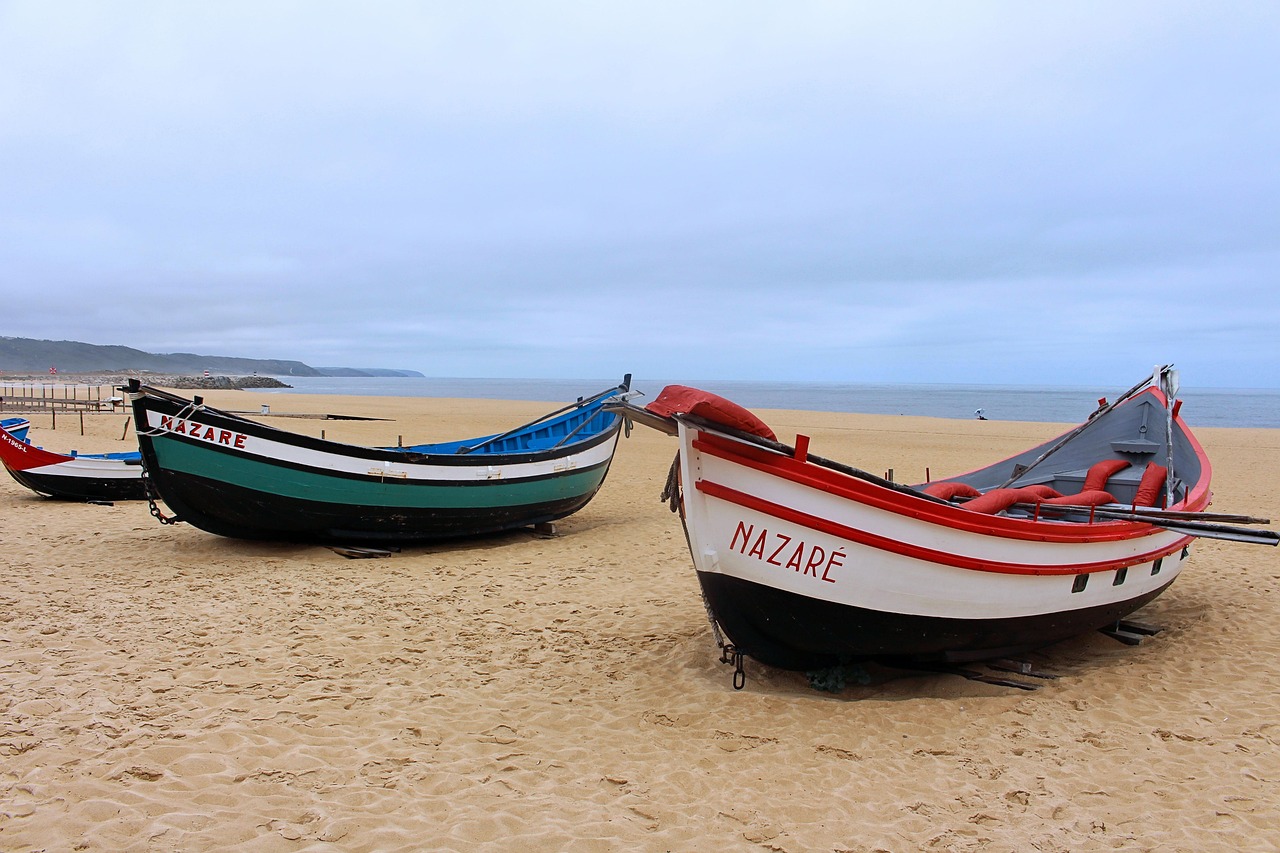
Nazaré is a destination with two completely different personalities depending on the time of year. In summer, it is a peaceful and family-friendly beach destination; in winter, it becomes the epicenter of giant wave surfing. The season you choose completely changes the type of experience.
Nazaré in summer: beach, seafood, and local culture
Summer (June to August)
Temperatures range between 22°C and 28°C, with calmer seas (although still with significant waves by European standards), beaches full of Portuguese families and tourists. This is the time to experience Nazaré as a traditional beach village: colorful fishing boats on the sand, fishermen's wives wearing the traditional seven skirts outfit, and sun-dried fish hanging in the narrow streets of the town center.
The main beach gets crowded on weekends in July and August, especially with families from Lisbon. If you visit during this period, arrive early to secure a good spot.
Nazaré in winter: the record-breaking waves
Autumn/Winter (October to March)
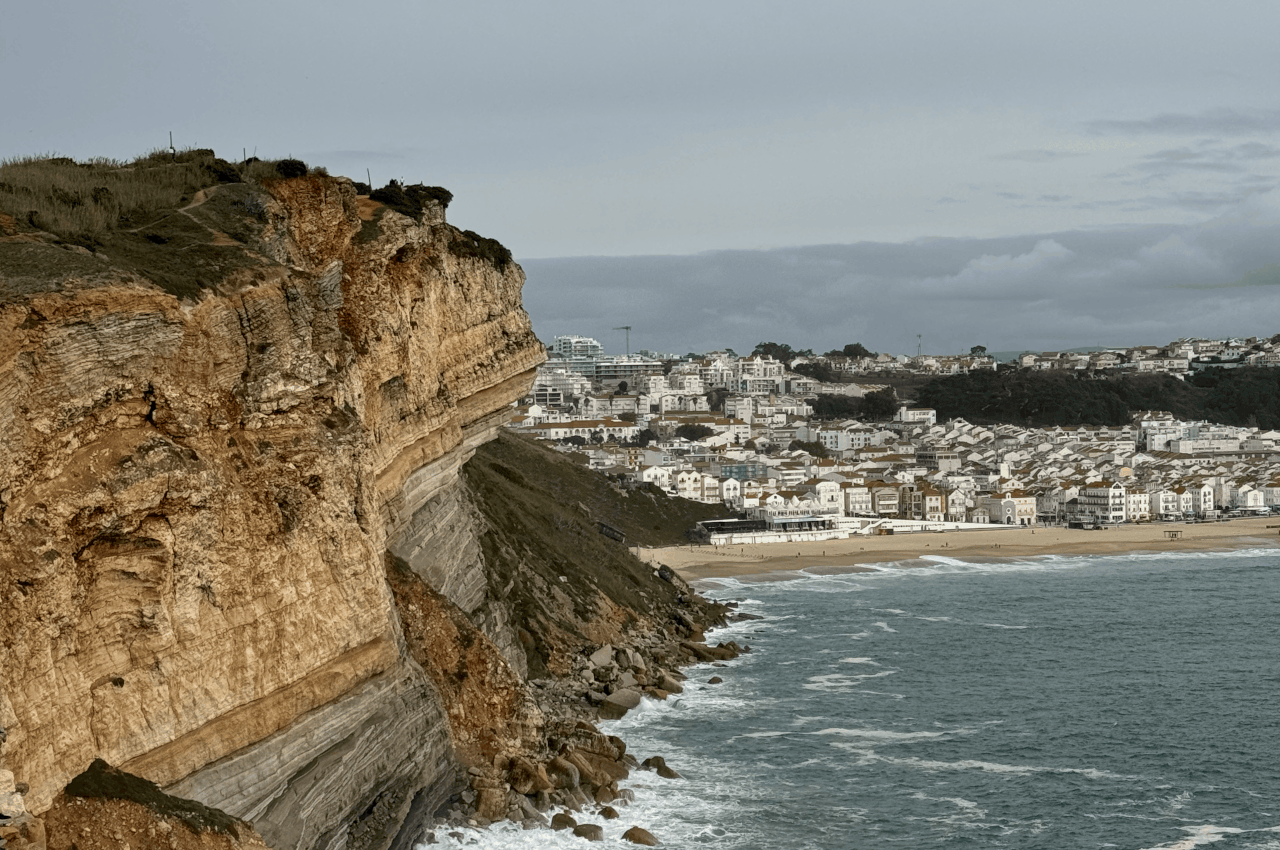
This is the season of the giant waves. The unique underwater topography of Nazaré — a 5 km deep underwater canyon that concentrates and amplifies Atlantic waves — creates enormous waves that can exceed 20 meters in height. This is where some of the biggest surfing records in the world have been broken.
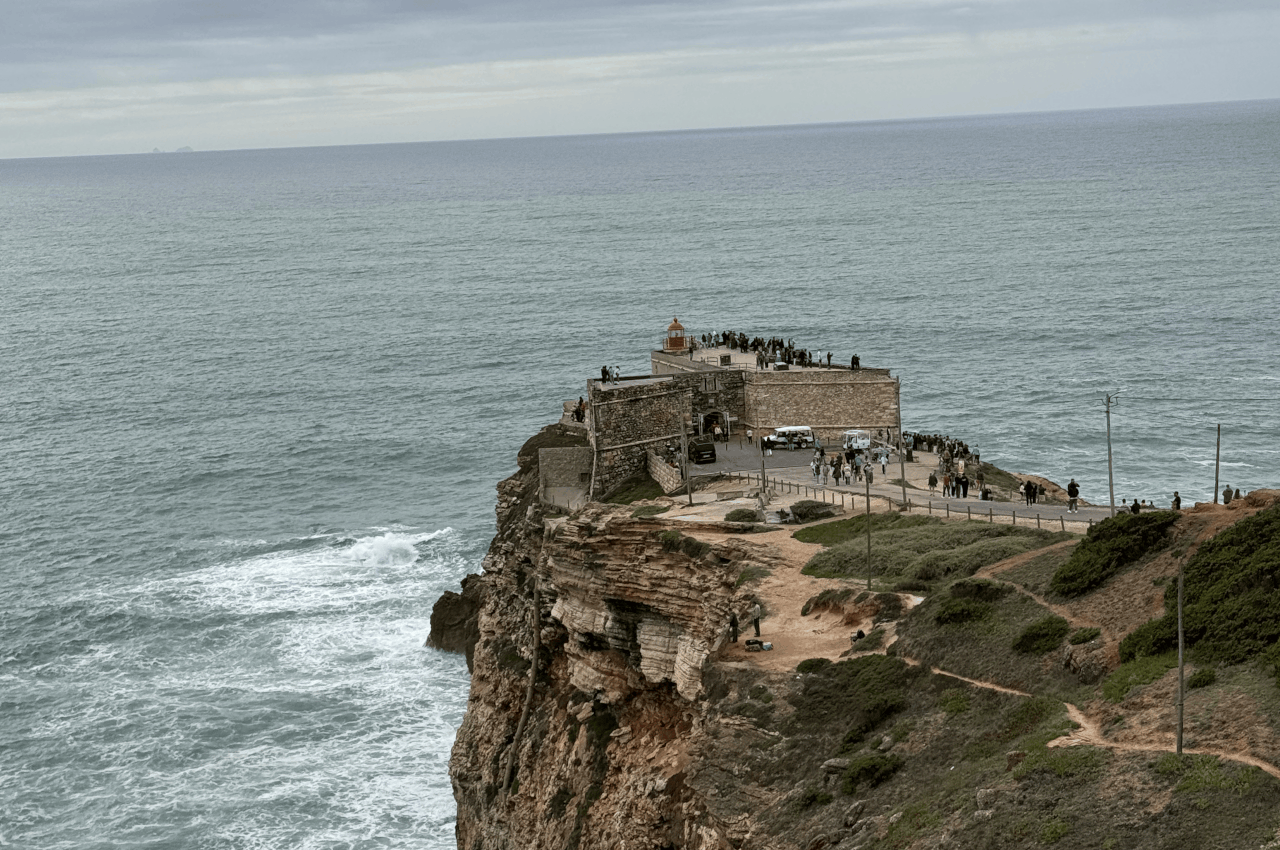
The months with the highest activity are October, November, December, and January. When the giant waves arrive, Sítio viewpoint (the lookout at the top of the cliff) fills with spectators carrying cameras and binoculars. It is a natural spectacle unlike anything else.
How to know when there will be giant waves: Follow Surfline or the Instagram profile @visitnazare — they announce when exceptional waves are expected. Some days are better than others, and conditions can change quickly.
Winter temperatures range between 8°C and 15°C, with frequent rain and strong winds. Bring warm clothes, even if the day starts sunny.
Spring (March to May)
The waves start decreasing in March and April, and temperatures gradually rise to 14°C–22°C. It is a pleasant transition season — fewer tourists, lower prices, and mild weather. It is a great choice for those who want to experience a quieter Nazaré before the summer season.
Summary: which season should you choose?
- For giant waves: October to February — check the forecast before traveling
- For beaches and local culture: June to August
- Best balance: September (still sunny, bigger waves starting to appear, fewer tourists)
- Cheapest period: November to March (except weekends with giant wave events)
Our recommended partners
These are companies and services that we use or recommend to make your trip easier. By booking through our links, you support Feitos para Viajar at no extra cost.
Accommodation for your trip
Find hotels, apartments and accommodations for every travel style and budget.
Tours and experiences
Book tours, tickets and unforgettable experiences in the destinations you visit.
Internet while traveling
Stay connected with an international eSIM to use maps, translation and apps without relying on Wi-Fi.
International payments and exchange
Save money abroad with an international account and competitive exchange rates.
Travel insurance
Travel with peace of mind with coverage for medical emergencies and unexpected situations.
Train and bus tickets
Compare and book train and bus tickets across Europe in one simple platform.

Written by
Feitos para Viajar
We're Fernanda and Vinicius, travel content creators since 2021. As software engineers living in Germany, we share real travel experiences to help you discover both iconic destinations and hidden gems.
Gostou das nossas dicas? Então compartilhe este blog com seus amigos e siga-nos para mais sugestões de viagem! Estamos aqui para ajudar você a explorar o mundo com confiança e planejamento.
