


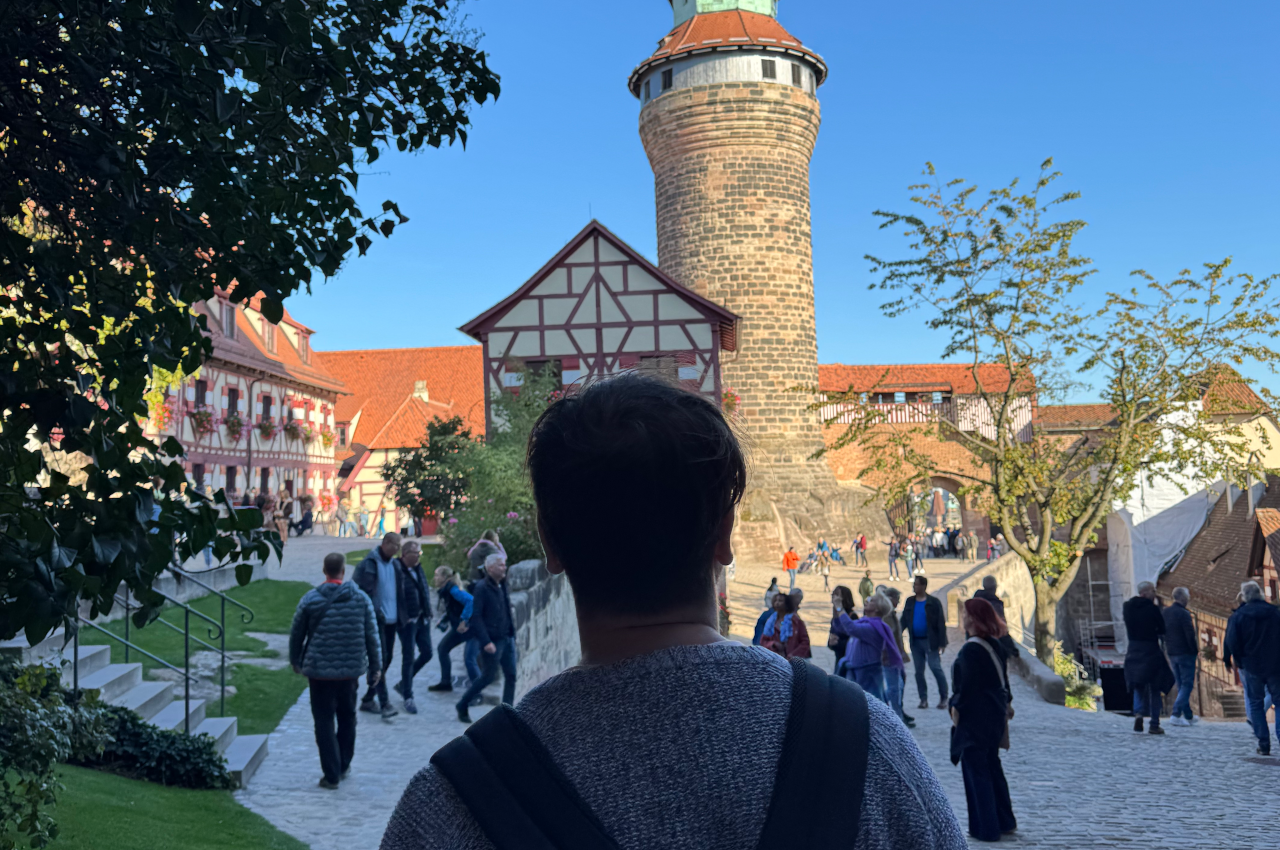
Nuremberg is one of the most charming cities in Germany. Located in northern Bavaria, in the Franconia region, the city combines medieval architecture, cobblestone streets, historic castles, and a unique atmosphere that feels like it came straight out of a fairy tale.
Besides the beauty of its historic center, Nuremberg also has an extremely important role in German history. The city was the location of major Nazi Party rallies and, after World War II, became internationally known for the Nuremberg Trials.
We visited Nuremberg from Munich and were impressed by the city. The train journey is quick, the historic center is very easy to explore on foot, and it is a great option both for a day trip and for spending a few relaxing days.
In this complete guide, you will find everything you need to plan your trip to Nuremberg: documents, costs, transportation, attractions, practical tips, and the best places to visit in the city.
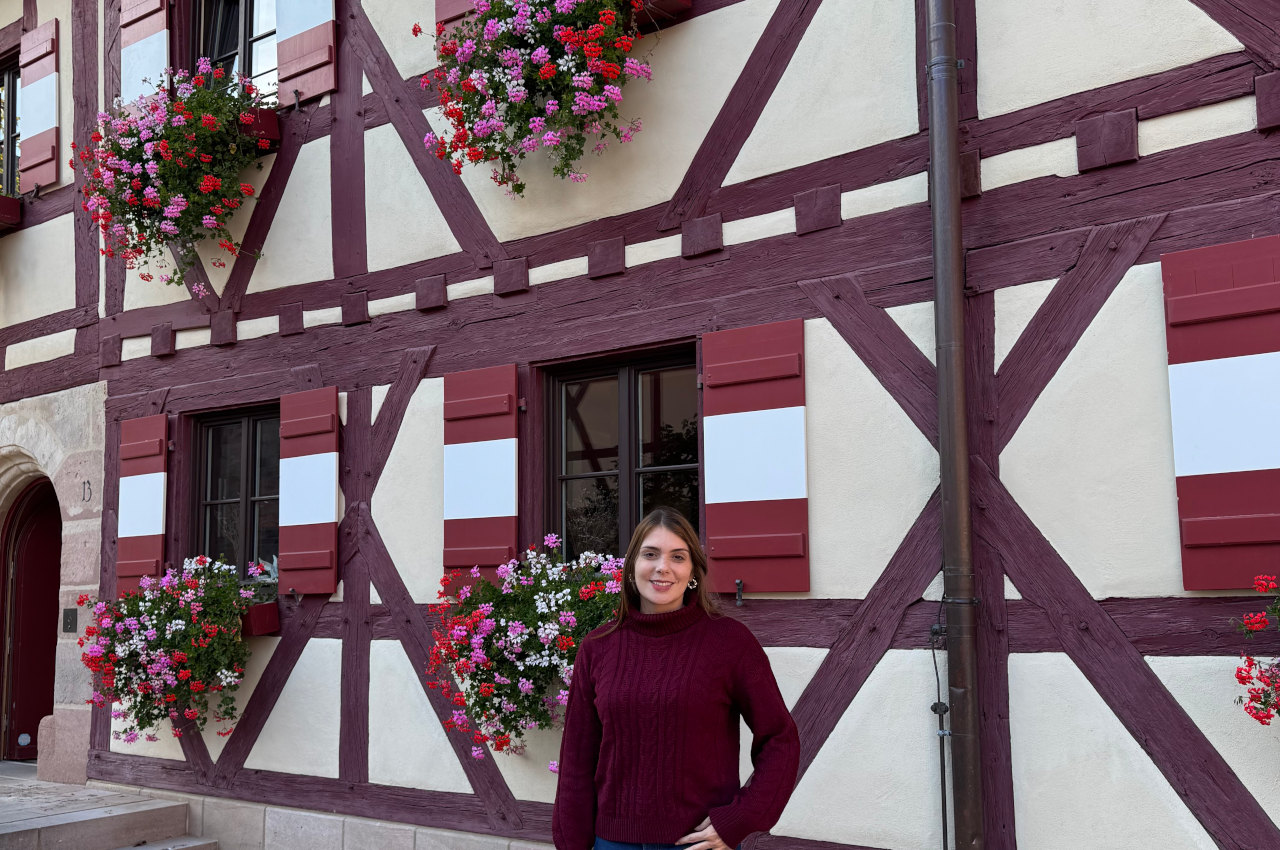
Quick information about Nuremberg
- Country: Germany
- Region: Bavaria (Franconia)
- Language: German (English is common in tourist areas)
- Currency: Euro (€)
- Plug type: Type F
- Distance from Munich: approximately 170 km (around 1 hour by ICE train)
- Visa: Brazilians do not need a visa for tourism stays of up to 90 days in the Schengen Area
Frequently asked questions about Nuremberg
Do I need to speak German to visit Nuremberg?
It is not mandatory to speak German to visit Nuremberg, but knowing a few basic words can make your experience much easier.
At the main tourist attractions, hotels, and restaurants in the historic center, English usually works well. However, because the city is less international than Munich or Berlin, you may find some places where service is only available in German.
Our tip is to download Google Translate before your trip and make German available offline. This is especially helpful in traditional restaurants, local markets, and public transportation.
We also recommend traveling with mobile internet. An international eSIM makes it much easier to use maps, transportation, translation apps, and search for information while exploring the city.
A practical option is Airalo, our eSIM partner .

Do Brazilians need a visa for Nuremberg?
No. Brazilians can travel to Nuremberg and other Schengen Area countries without a visa for tourism stays of up to 90 days within a 180-day period.
For immigration, we recommend having:
- Valid passport;
- Proof of accommodation;
- Return flight ticket;
- Proof of financial means;
- Travel insurance: mandatory for entering the Schengen Area.
Check out our complete articles:
How many days are enough to visit Nuremberg?
Nuremberg is a compact city and very easy to explore, especially because most attractions are located within the historic center.
To visit the main tourist attractions, we recommend at least 1 full day, but staying overnight allows you to experience the medieval atmosphere better, especially in the late afternoon when the streets become quieter.
- 1 day: ideal for exploring the historic center, Kaiserburg Castle, Hauptmarkt, and the main attractions.
- 2 days: perfect for visiting museums, learning more about the city's history, and trying local cuisine at a relaxed pace.
- 3 days or more: allows you to include day trips around Franconia, such as Bamberg and Rothenburg ob der Tauber.
Is Nuremberg a good base to explore other places?
Yes! Although smaller than Munich, Nuremberg has a very strategic location within Germany.
The city has excellent train connections and is a great choice for travelers who want to explore the Franconia region and other historic towns nearby.
Some of the best day trips from Nuremberg are:
-
Bamberg
One of the most beautiful medieval cities in Germany and a UNESCO World Heritage Site. It is known for its preserved historic center, canals, traditional breweries, and the famous smoked beer. -
Rothenburg ob der Tauber
One of the most famous towns along Germany’s Romantic Road. Its medieval walls, colorful houses, and cobblestone streets make it one of the most photogenic destinations in the country. -
Würzburg
A city famous for the Würzburg Residence Palace, Franconian wines, and the combination of Baroque architecture with a charming historic center. -
Erlangen
A university city close to Nuremberg, famous for its gardens, historic architecture, and the Bergkirchweih beer festival.
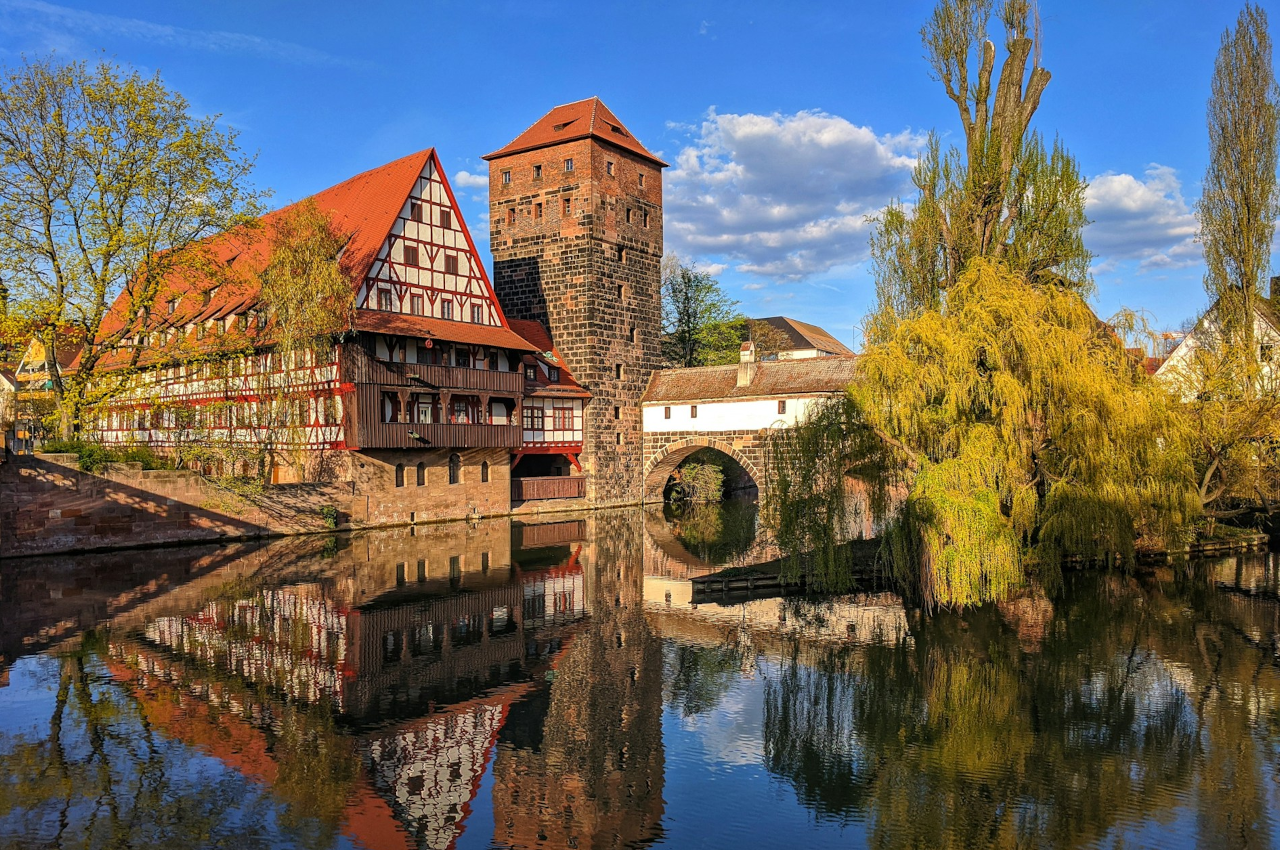
Nuremberg guided tours
If you prefer visiting Nuremberg with organized transportation and a guide, there are tours departing from Munich that include round-trip transportation and historical explanations during the visit.
How much does it cost to travel to Nuremberg?
Nuremberg is usually more affordable than Munich and other major German cities. Since it receives fewer international tourists, accommodation and food prices are generally lower.
With good planning, it is possible to enjoy the city with different travel styles:
- Budget: €45–70 per day
- Mid-range: €90–140 per day
- Comfortable: €160+ per day
How much does a meal cost in Nuremberg?
A meal at a regular restaurant usually costs around €12 to €25 per person.
Traditional Franconian restaurants can be slightly more expensive, but they are still usually cheaper than restaurants in Munich.
Some typical foods you should try are the famous Nürnberger Rostbratwurst (traditional Nuremberg sausages), Lebkuchen (the city's famous gingerbread), and German dishes served with local beers.
Tipping is expected in Germany. People usually round up the bill or leave around 5% to 10% when they are satisfied with the service.
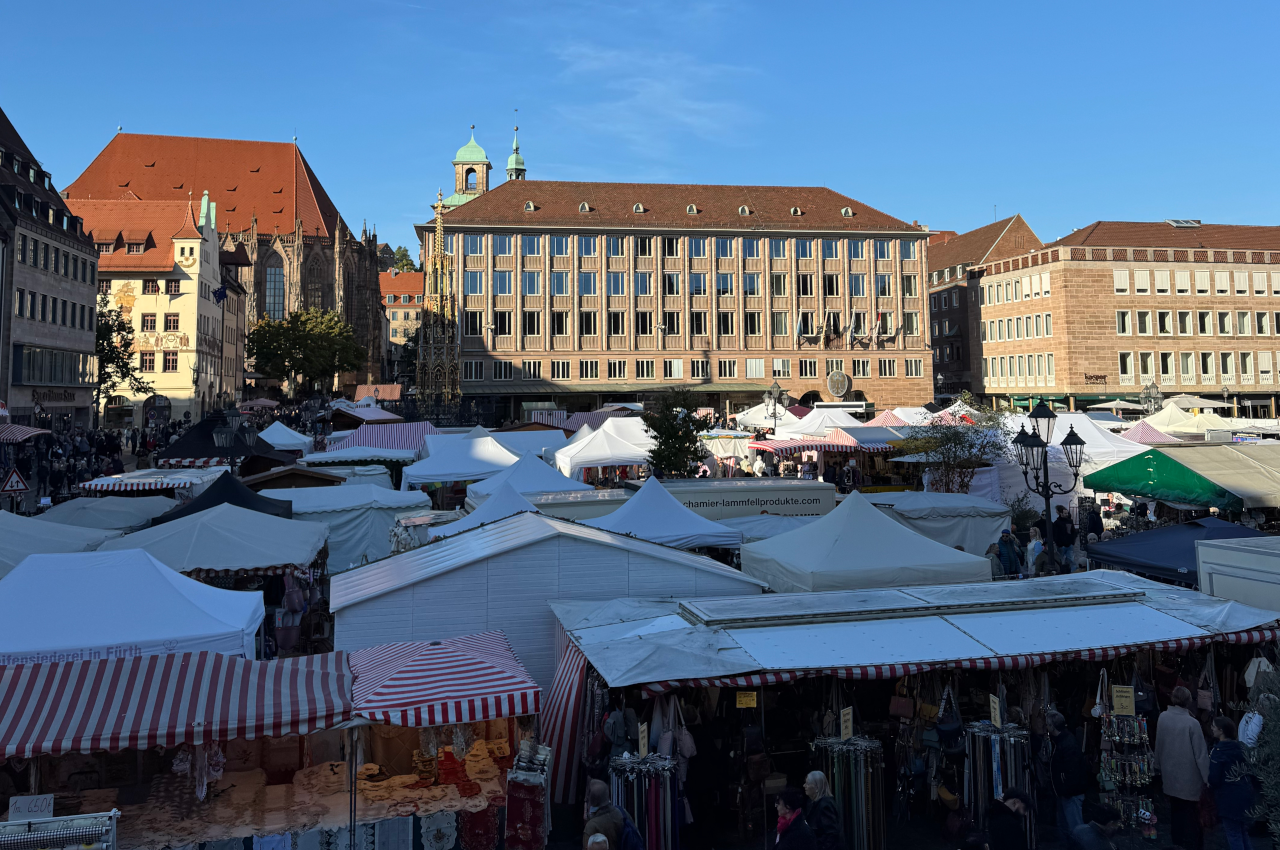
With good planning, you can explore Nuremberg in just a few days, but we guarantee: after visiting the historic center, trying the traditional food, and discovering its monuments, you will understand why this city is considered one of Bavaria's hidden gems.
Continue planning your trip to Nuremberg
Now that you know the basic information about the city, continue planning your trip with our next guides:
- How to get to Nuremberg Learn about trains, airports, public transportation, and how to reach the historic center.
- Things to do in Nuremberg Discover the main attractions, museums, and unforgettable experiences.
- Where to stay in Nuremberg Find the best neighborhoods and tips for choosing your accommodation.
- Where to eat in Nuremberg Discover restaurants, Franconian specialties, and local food experiences.


