


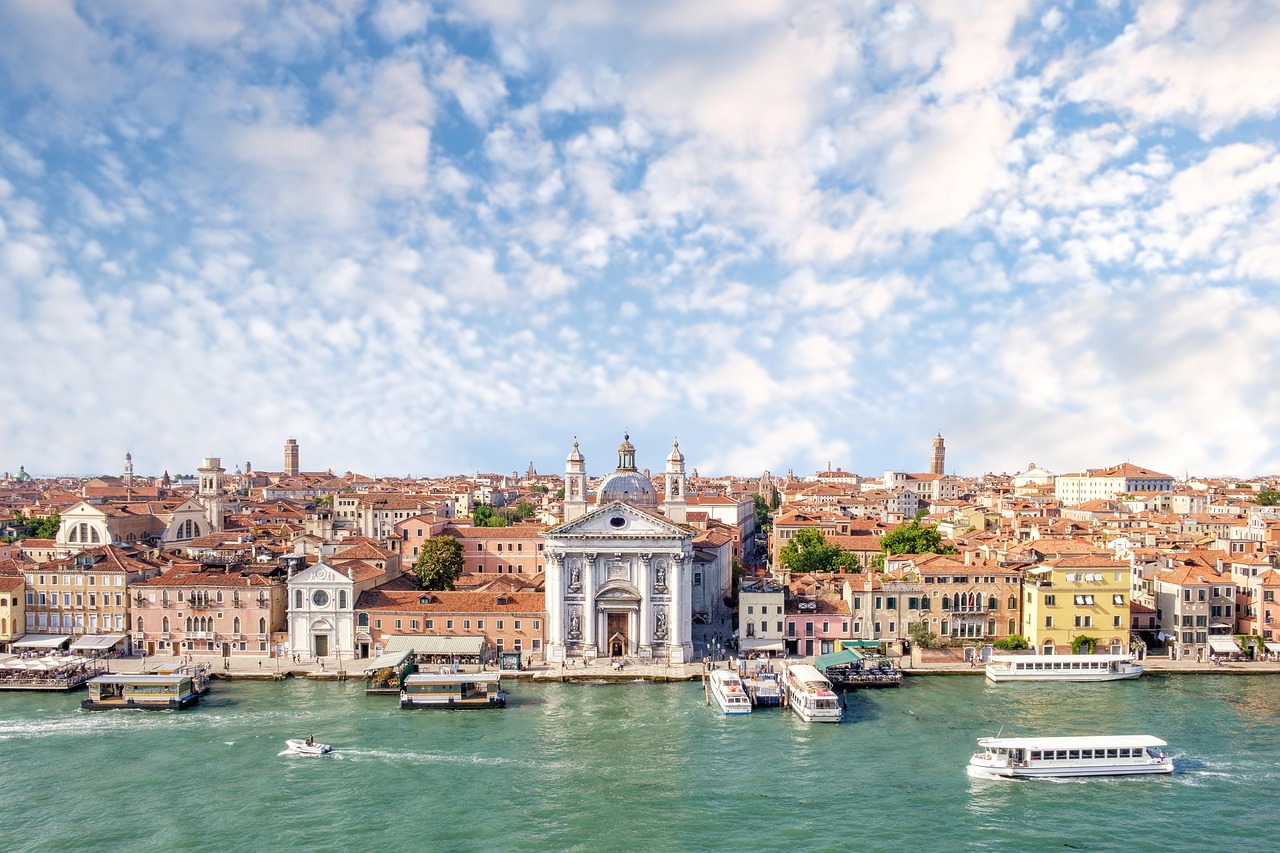
Venice, this incredible city built on water, amazed me from the very first moment with its maze of canals, charming squares, and historic buildings. It’s the kind of place where you turn a corner and suddenly find something beautiful. Between gondolas, bridges, and that unmistakable romantic atmosphere, the city has a unique charm. In this itinerary, I’m sharing the spots I enjoyed the most and a few tips to help you make the most of your day there.
Our blogs provide complete information about each country and city to enhance your experience. If you want to go straight to the Venice itinerary details, click here or choose one of the options in the list below.
What you will find in this post:
How to Get Around Venice
Venice is a uniquely structured city, consisting of 118 islands connected by more than 150 canals. The city is divided into two parts: the mainland and the island section. The main tourist attractions, such as St. Mark’s Square, the Rialto Bridge, and the Grand Canal, are located in the island section, which is the most famous and visited by tourists.
In this post, we focus on the island section, which consists of interconnected islands and canals, making transportation different from most cities—there are no cars! (While the mainland part does have cars.) Walking and using water transport are the main ways to get around. Vaporettos (water buses) are the most popular way to travel between islands and across the Grand Canal. Tickets can be purchased at stations or on board. If you prefer a more private experience, water taxis are available, though they tend to be more expensive.
Weather in Venice
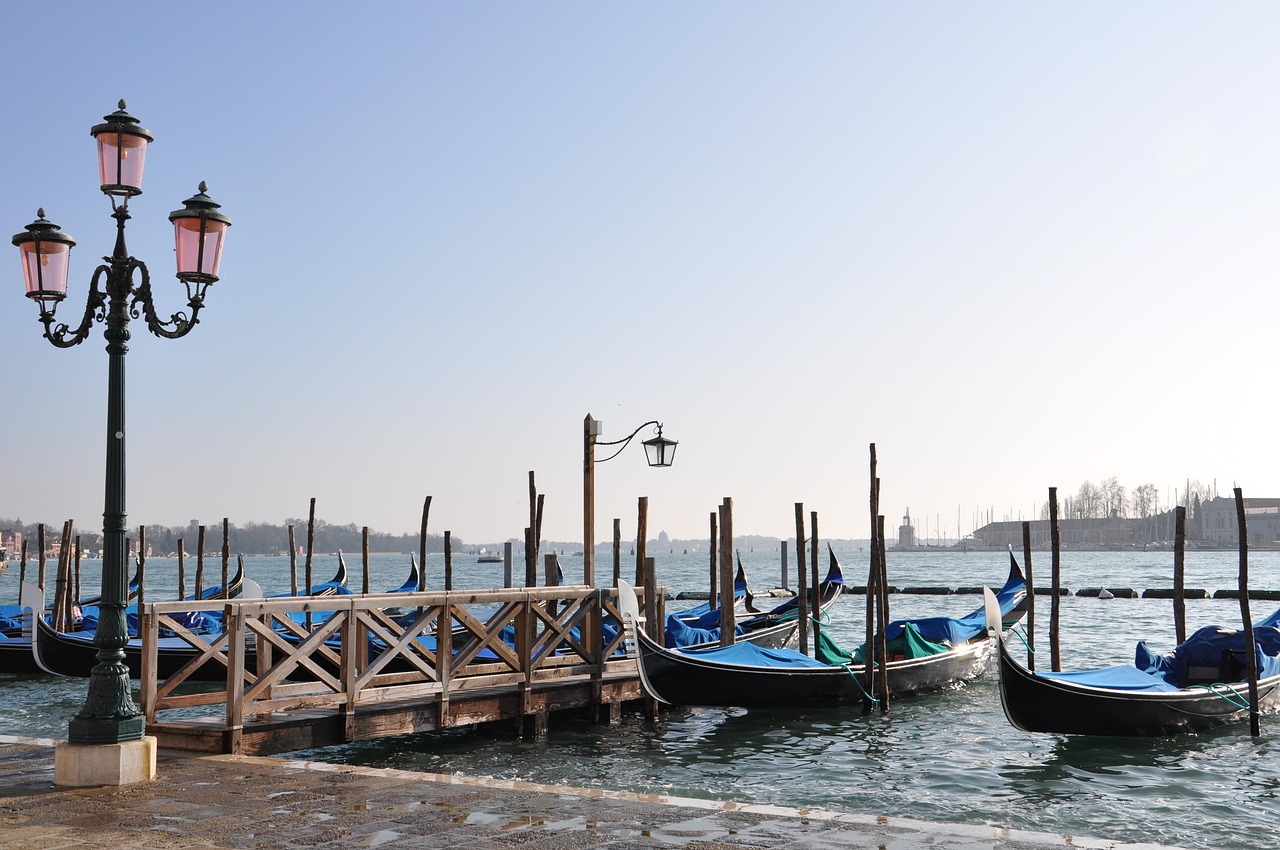
Venice has a Mediterranean climate, with hot summers and cooler winters. It is important to note that Venice is susceptible to flooding, especially in winter. The phenomenon known as “Acqua Alta” (high tide) is common and can even occur in summer, temporarily flooding certain areas, especially around St. Mark’s Square. It is recommended to check the weather forecast in advance, and if visiting during the low season, consider bringing waterproof shoes or boots.
Carnival in Venice
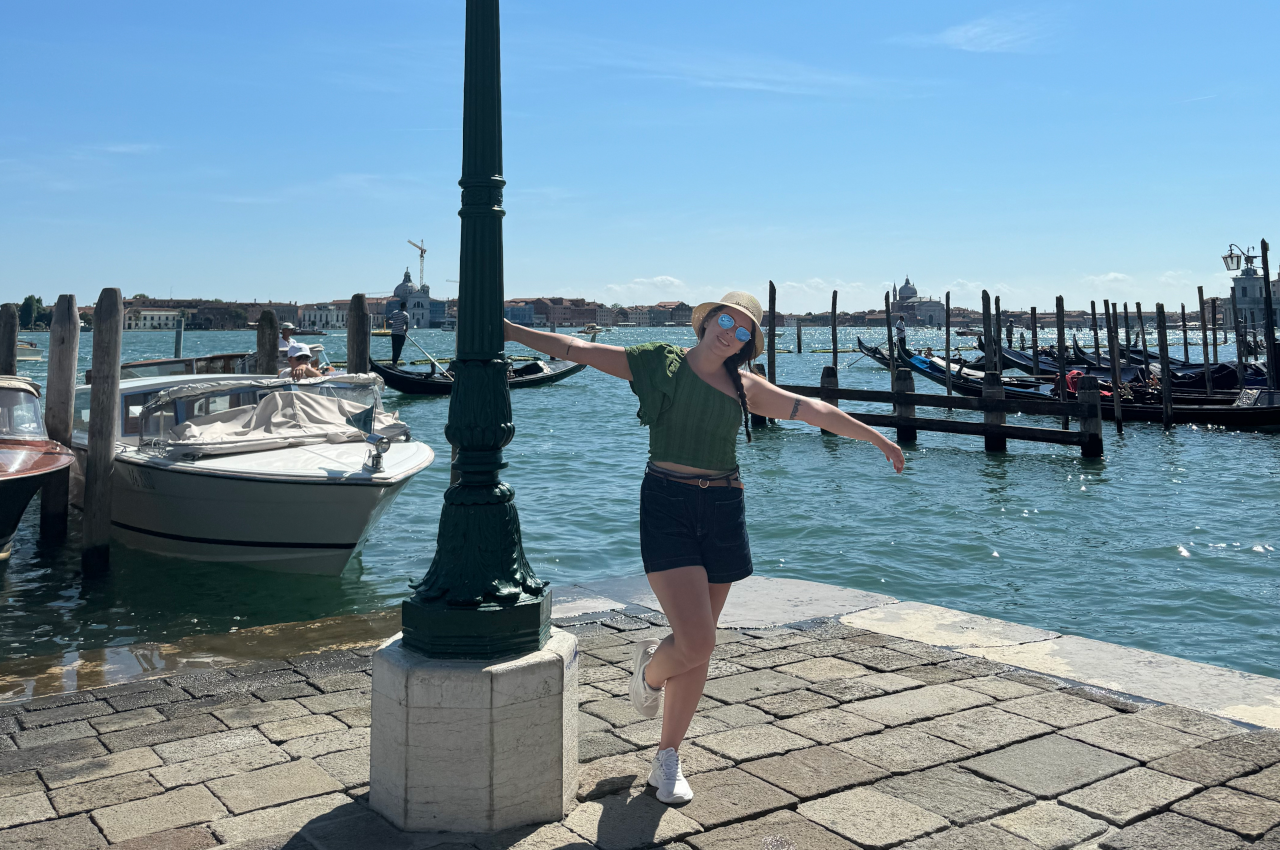
If you visit Venice in February, you will witness the world-famous Venice Carnival. This event is one of the oldest and most renowned festivals in the world. People wear masks and elaborate costumes, and there are grand parades, concerts, and parties throughout the city. It is a time when Venice comes to life, and the streets transform into a vibrant and festive atmosphere. Be sure to book accommodations and event tickets in advance, as the carnival attracts large crowds.

1-Day Itinerary in Venice
Discover the best of Venice with this detailed 1-day itinerary! From its rich history to its charming canals, this guide takes you through the main tourist attractions, cultural highlights, and must-have experiences in this unique city. Whether it’s your first visit or not, make the most of your stay by exploring iconic monuments, famous bridges, and authentic spots in the City of Canals.
Summary of Tourist Attractions
- Rialto Bridge
- St. Mark’s Square and Basilica
- Doge’s Palace
- Bridge of Sighs
- Contarini del Bovolo Palace
- Gondola Ride
Main Attractions:
We start the day arriving at Santa Lucia train station. It was August, the peak season, so we expected crowds and sunny weather. With that in mind, get ready to enjoy the beauty of Venice, even with a bustling city!
- Rialto Bridge: Begin your day by crossing the historic Rialto Bridge. The bridge offers an incredible view of the Grand Canal, perfect for capturing your first picture of the day. The lively atmosphere around the bridge adds to the vibrant charm of Venice, making it one of the city’s most iconic landmarks.
- St. Mark’s Square and Basilica: Next, take a walk to the majestic St. Mark’s Square. Known for its vibrant energy, this square is surrounded by historic buildings and offers plenty of photo opportunities. Enjoy a coffee while admiring the stunning architecture around you. While in the square, don’t miss the chance to visit St. Mark’s Basilica. The Byzantine architecture is breathtaking, and its golden façade glows under the sun. Snap a picture of the intricate details of this masterpiece. Entrance costs approximately €12. Buy your ticket for St. Mark’s Basilica here
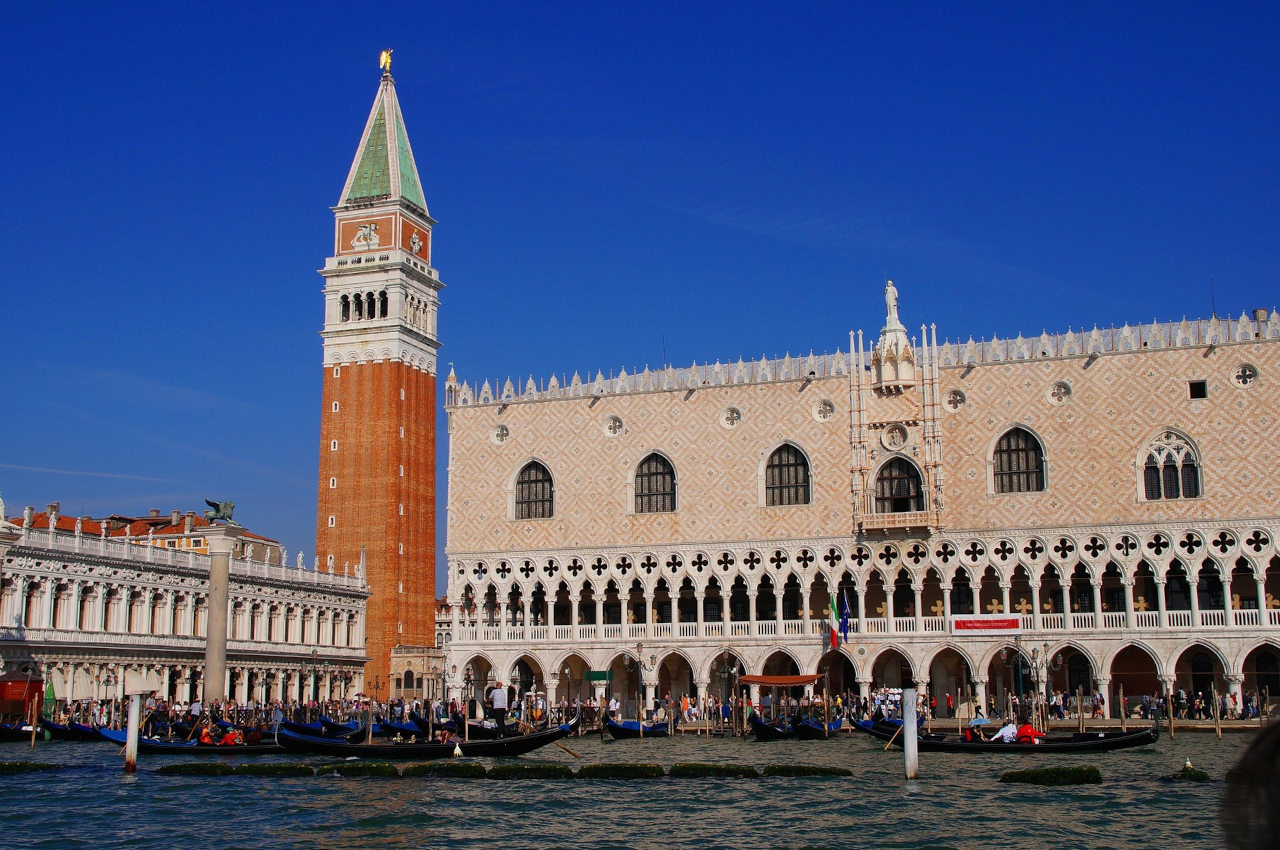
- Doge’s Palace: Right next to the basilica is the impressive Doge’s Palace. Immerse yourself in Venetian history by exploring the grand halls and learning about the city’s rulers. Don’t forget to walk across the famous Bridge of Sighs, which connects the palace to the prison. Entrance costs approximately €30. Buy your ticket for Doge’s Palace here
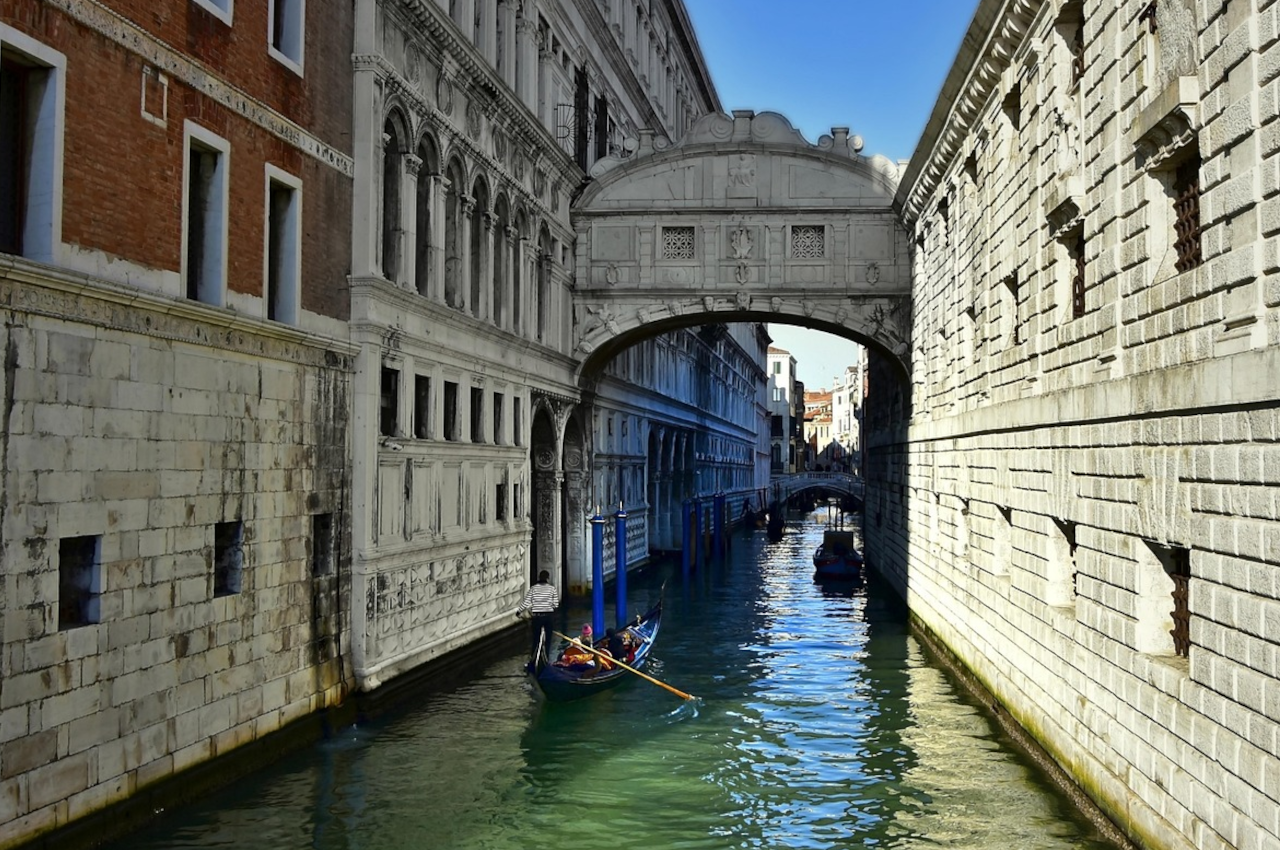
- Bridge of Sighs: Upon leaving the Doge's Palace, take a moment to photograph the iconic Bridge of Sighs. Legend has it that this was the place where prisoners took their last sigh of freedom before being led to their cells. The bridge holds a fascinating history and is one of the most photographed landmarks in Venice.
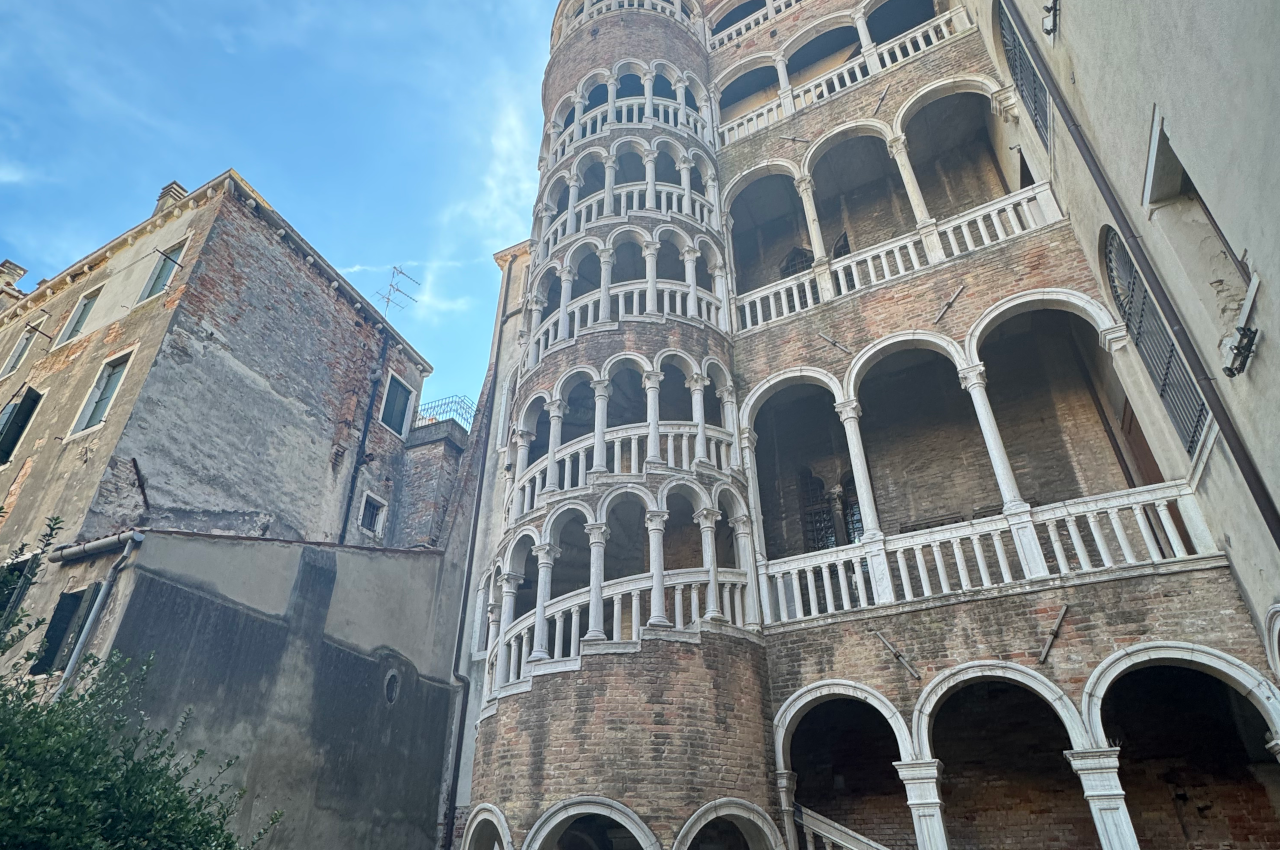
- Palazzo Contarini del Bovolo: Next, head to Palazzo Contarini del Bovolo to admire its famous spiral staircase. If you're up for it, climb to the top for a panoramic view of Venice. The breathtaking cityscape from this vantage point is well worth the climb! The entrance fee is approximately 9€. Get your ticket for Palazzo Contarini del Bovolo here
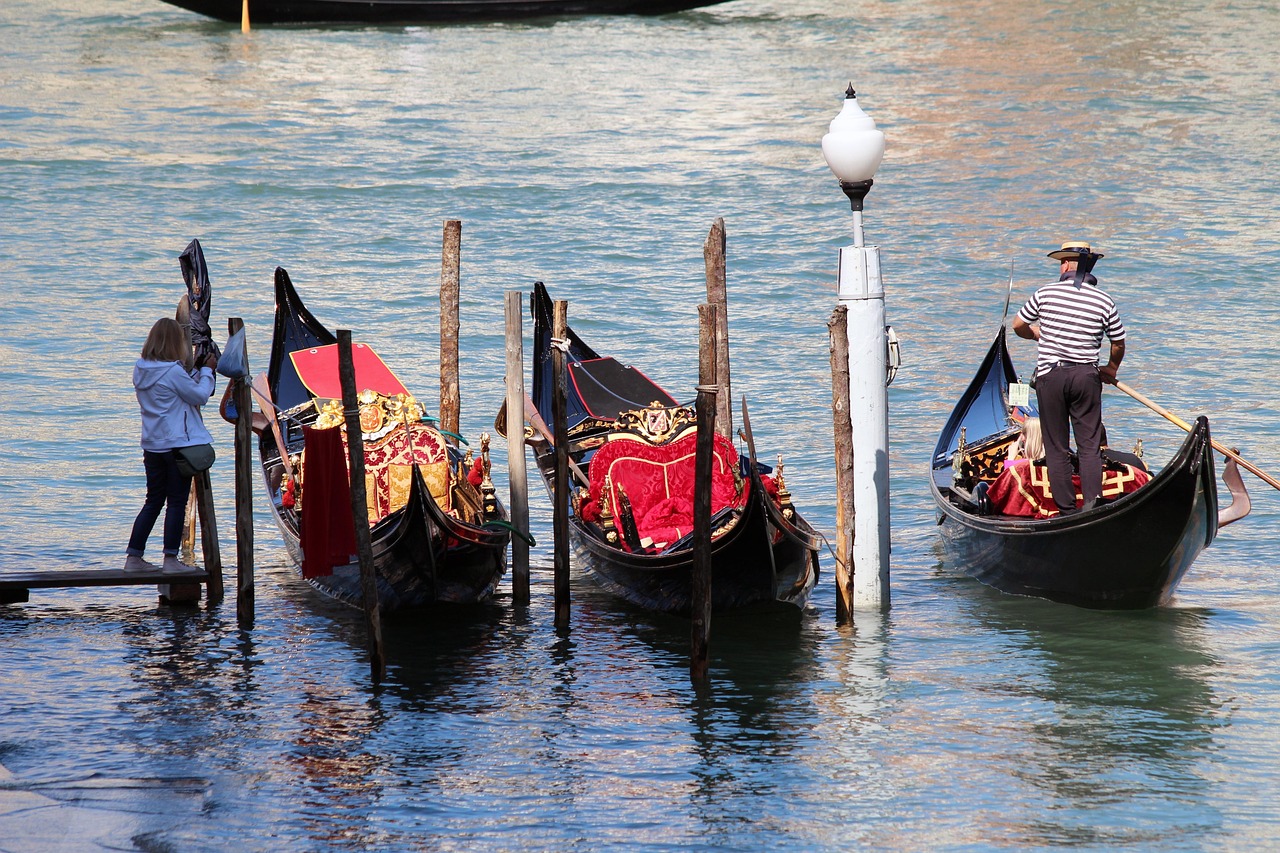
- Gondola Ride: To wrap up the day in the most romantic way, why not enjoy a Gondola Ride through the canals? This quintessential Venetian experience provides a unique perspective of the city's charming waterways. In August 2024, the price for a gondola ride was 90 euros. Gondoliers often share historical insights about the city and can guide you through some of Venice’s hidden corners as you glide along the canals.
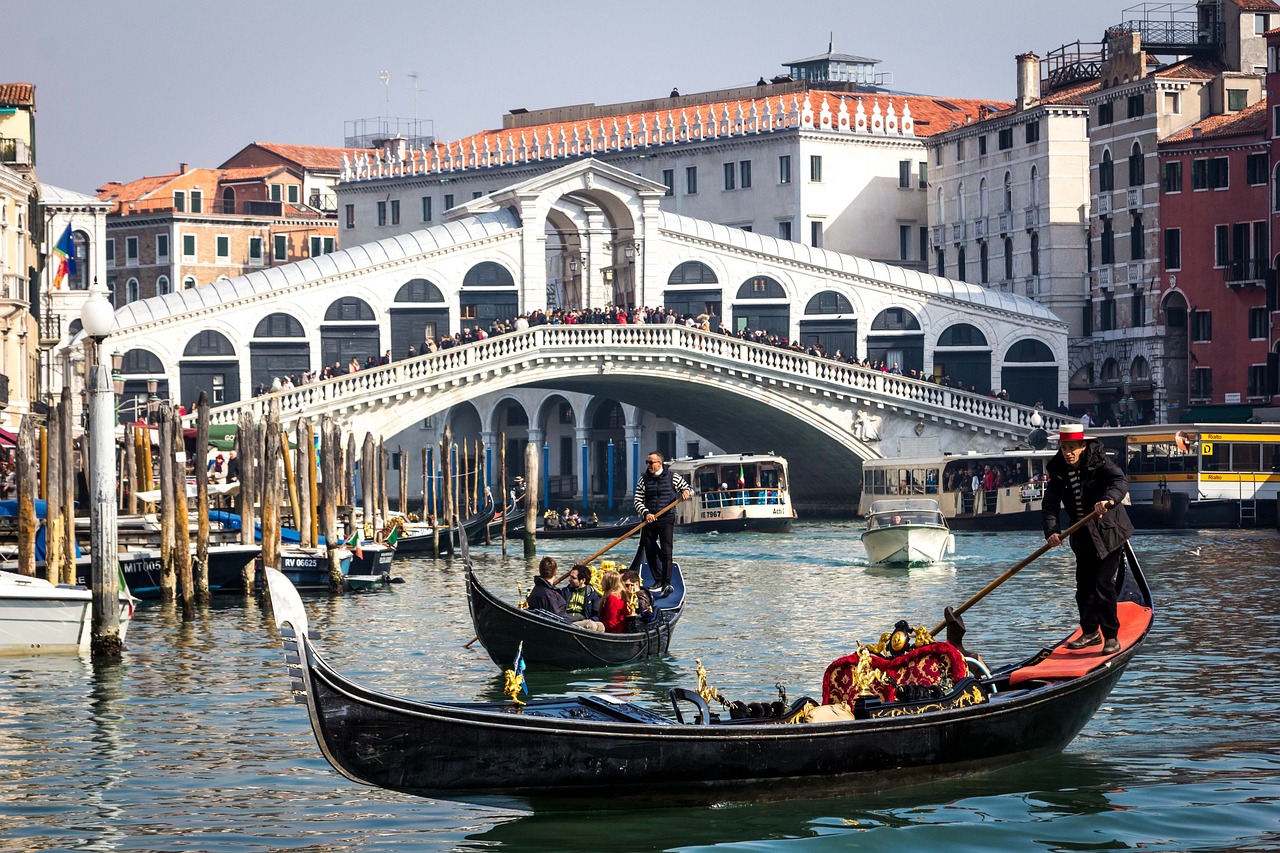


TIP: Avoid peak hours at popular locations like St. Mark's Square and the Rialto Bridge by visiting early in the morning or later at night. This way, you can enjoy the experience more peacefully, without large crowds.
Plan Your Trip:
INTERNATIONAL CARD: Apply for your card to use abroad
ACCOMMODATION: Book your stay with confidence
TRAVEL INSURANCE: Get a quote and purchase your insurance with a 9% discount
Did you enjoy our tips? Then share this blog with your friends and follow us for more travel suggestions! We're here to help you explore the world with confidence and planning.
Until your next trip!