


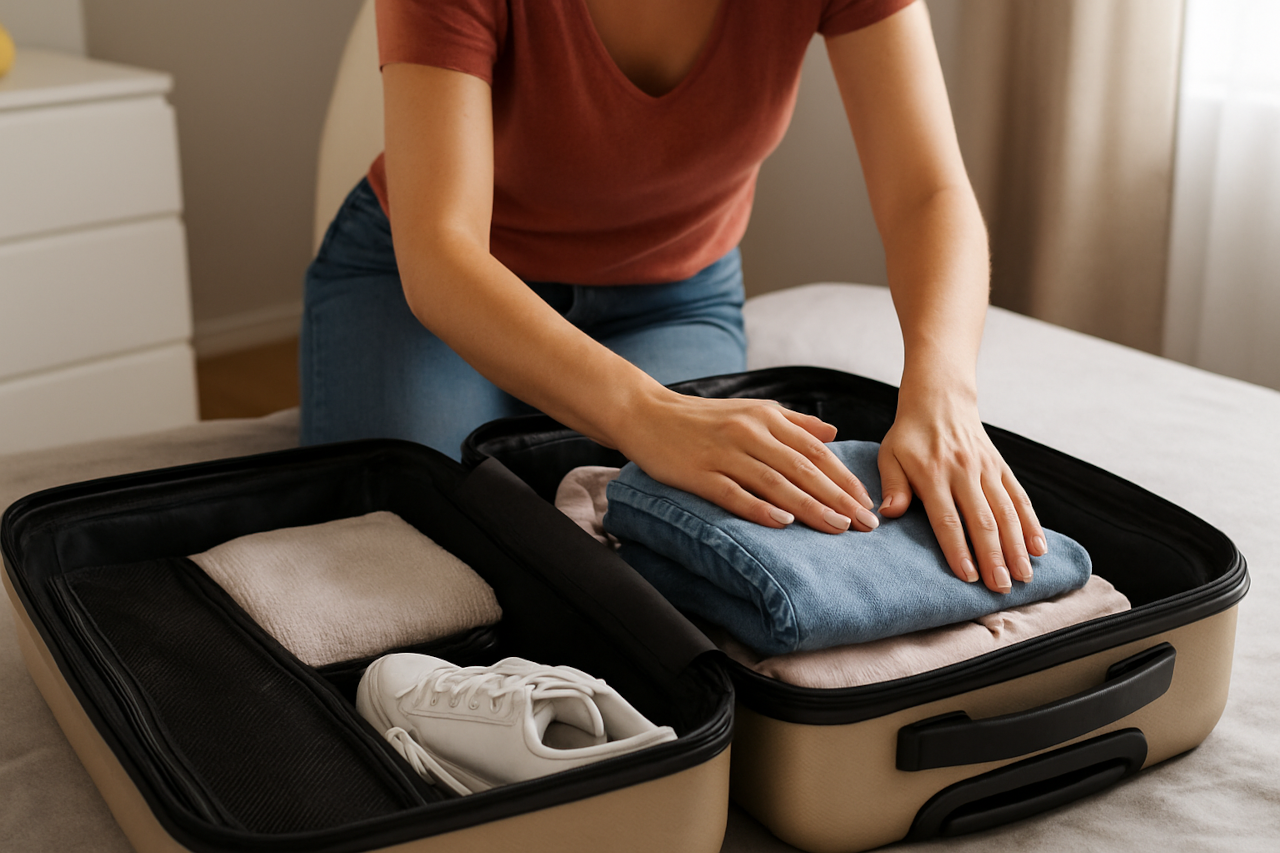
If you are planning your first international trip, one of the biggest questions is usually about luggage. After all, what is the difference between a personal item, a carry-on bag, and checked baggage? What is really worth bringing? And how can you avoid paying extra fees at the airport?
We have taken dozens of international flights, especially across Europe, using airlines such as Ryanair, easyJet, Vueling, Wizz Air, as well as traditional airlines. Most of the time, we choose the cheapest fares, which usually include only a personal item.
It may seem like very little, but in practice, it is possible to travel for several days with just a well-organized backpack. Besides saving money on flights, traveling with less luggage makes getting around much easier, avoids baggage drop-off lines, and allows you to leave the airport much faster after arriving at your destination.
In this guide, we will share not only the official luggage rules but also our real travel experience in Europe, explaining when it is worth traveling with only a personal item, when adding a carry-on bag makes sense, and when checking a suitcase is actually the best option.
What you will find in this post:
Personal Item
If you are planning to travel around Europe using low-cost airlines, understanding what a personal item is can help you save a significant amount of money.
A personal item is the smallest bag allowed inside the aircraft cabin and must fit completely under the seat in front of you. Unlike a carry-on bag, it is usually included even in the cheapest fares offered by low-cost airlines.
Airlines such as Ryanair, Wizz Air, and some easyJet fares usually allow only this type of luggage for free. If you want to bring a larger bag that goes in the overhead compartment, you will normally need to pay an additional fee or choose a different fare.
We have traveled several times around Europe using only a backpack as our personal item. For trips of three to five days, especially when visiting destinations with similar weather conditions, this option is often more than enough and makes traveling much easier.
- Examples: small backpack, handbag, or laptop bag.
- Common dimensions: approximately 40 x 30 x 15 cm (varies depending on the airline).
- Weight limit: usually between 5 and 10 kg, although many airlines rarely weigh personal items.
- Recommended items: documents, electronics, medication, chargers, and valuables.
Tips for organizing your personal item:
- Keep your passport, documents, cards, and money in an easily accessible pocket.
- Use a backpack with compartments to separate electronics, chargers, and personal items.
- Choose versatile clothing pieces that can be combined in different outfits to save space.
- Use packing cubes or organizers to keep everything compact and organized.
- Before leaving home, check that your backpack fits under the airplane seat.
Having a well-organized personal item makes boarding easier, helps you avoid extra costs, and makes your airport experience much smoother.

Carry-on Bag
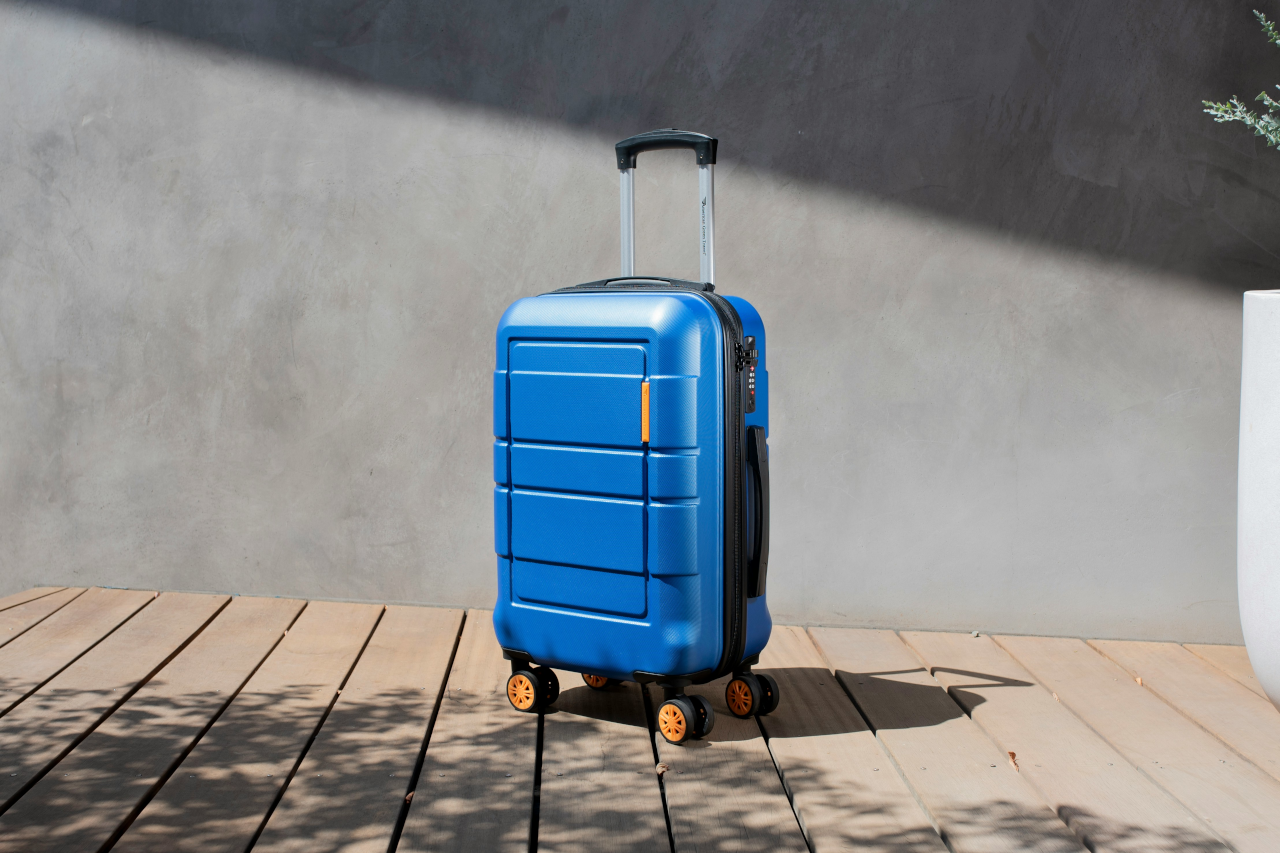
A carry-on bag is the larger piece of luggage that you can bring into the aircraft cabin and store in the overhead compartment. It is ideal for travelers who need more space for clothes, shoes, electronics, or other items during the trip.
The choice between traveling only with a personal item or adding a carry-on bag depends greatly on your travel style. For short European trips, a backpack is often enough. However, for longer trips or colder destinations, having extra space can make a big difference.
Traditional airlines, such as Lufthansa or TAP depending on the fare purchased, usually include a carry-on allowance. On European low-cost airlines, however, this benefit is often charged separately.
Before booking your flight, always check exactly what is included in your fare. In some cases, paying slightly more for a higher fare category can be worth it because it may include a carry-on bag, priority boarding, seat selection, and other benefits.
In general, carry-on bags usually have a maximum size of around 55 x 35 x 25 cm and a weight limit between 7 and 10 kg, but these rules vary depending on the airline.
What can you bring in your carry-on bag?
Before traveling, it is important to understand what can be transported in your carry-on bag. These rules exist to ensure flight safety, but they also help you avoid delays and problems during airport security checks.
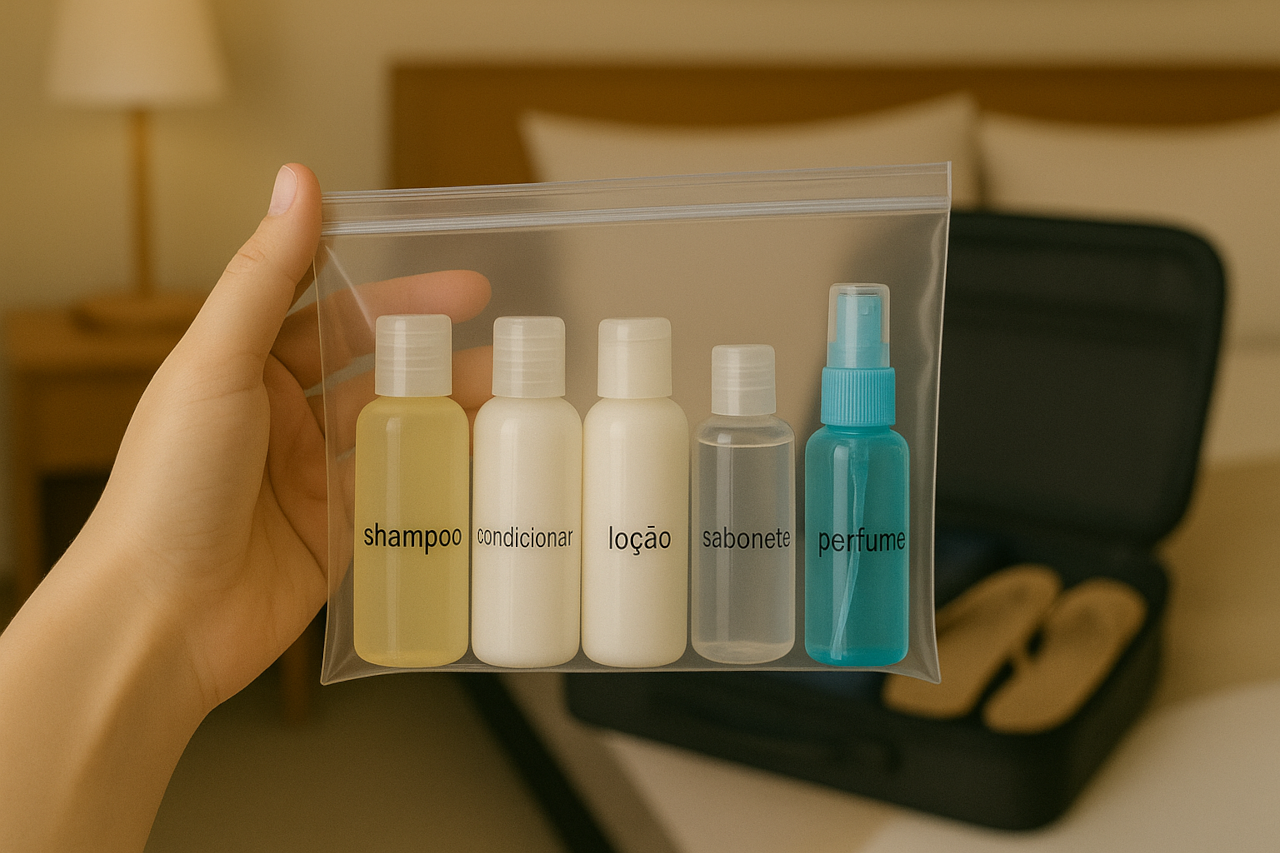
- Liquids, gels, and aerosols: each container must be up to 100 ml, and all containers must fit inside a transparent 1-liter bag. This includes shampoo, conditioner, perfumes, creams, toothpaste, and liquid cosmetics.
- Food: small snacks and solid foods are usually allowed. However, liquids or specific food products may have restrictions depending on the destination.
- Electronic devices: smartphones, tablets, laptops, cameras, and other electronics can be carried onboard. During security screening, you will usually need to remove them from your bag.
- Documents and valuables: passports, money, credit cards, jewelry, and important medication should always be kept in your carry-on bag or personal item.
Items not allowed in carry-on baggage
- Firearms, ammunition, or explosives;
- Sharp or pointed objects, such as knives, large scissors, and exposed blades;
- Tools that may cause injuries, such as utility knives, drills, or similar equipment;
- Flammable products or dangerous substances;
- Illegal substances;
- Lithium batteries that exceed the limits established by the airline.
Tips for organizing your carry-on bag
- Keep liquids and electronics in easy-to-access places to speed up security screening.
- Use packing organizers to separate clothes, accessories, and toiletries.
- Avoid bringing unnecessary items. The lighter your bag, the more comfortable your trip will be.
- Keep documents, medication, and valuables in your personal item.
- Check the weight before leaving home to avoid unexpected fees.
Following these rules helps you avoid boarding issues and makes your airport experience faster and more comfortable. We also recommend having suitable travel insurance to protect yourself in case of unexpected situations. We use and recommend Real Seguro travel insurance, which you can learn more about here.
Liquids, Aerosols and Gels for Personal Items and Carry-on Bags
This is probably one of the rules that creates the most confusion among first-time travelers. Many people arrive at airport security believing that a half-used bottle is allowed, but the rule considers the size of the container, not how much product is left inside.
For example: a 200 ml shampoo bottle containing only half of the product is still considered a 200 ml container and may be discarded during security screening.
When we travel only with cabin baggage, we always use smaller reusable containers for shampoo, conditioner, body wash, and other toiletries. Besides saving space, this helps avoid problems at the airport.
- Container size: each bottle must have a maximum capacity of 100 ml.
- Transparent bag: all liquids must be placed inside a transparent plastic bag with a maximum capacity of 1 liter.
- Exceptions: essential medication, baby food, and products purchased after security screening may follow different rules.
- Organization: keep your liquids bag easily accessible so you can remove it quickly during security checks.
- Common products: shampoo, conditioner, perfume, moisturizer, sunscreen, liquid makeup, and toothpaste must follow these rules.
Following these regulations prevents delays, wasted products, and unpleasant situations at the airport.
Checked Baggage
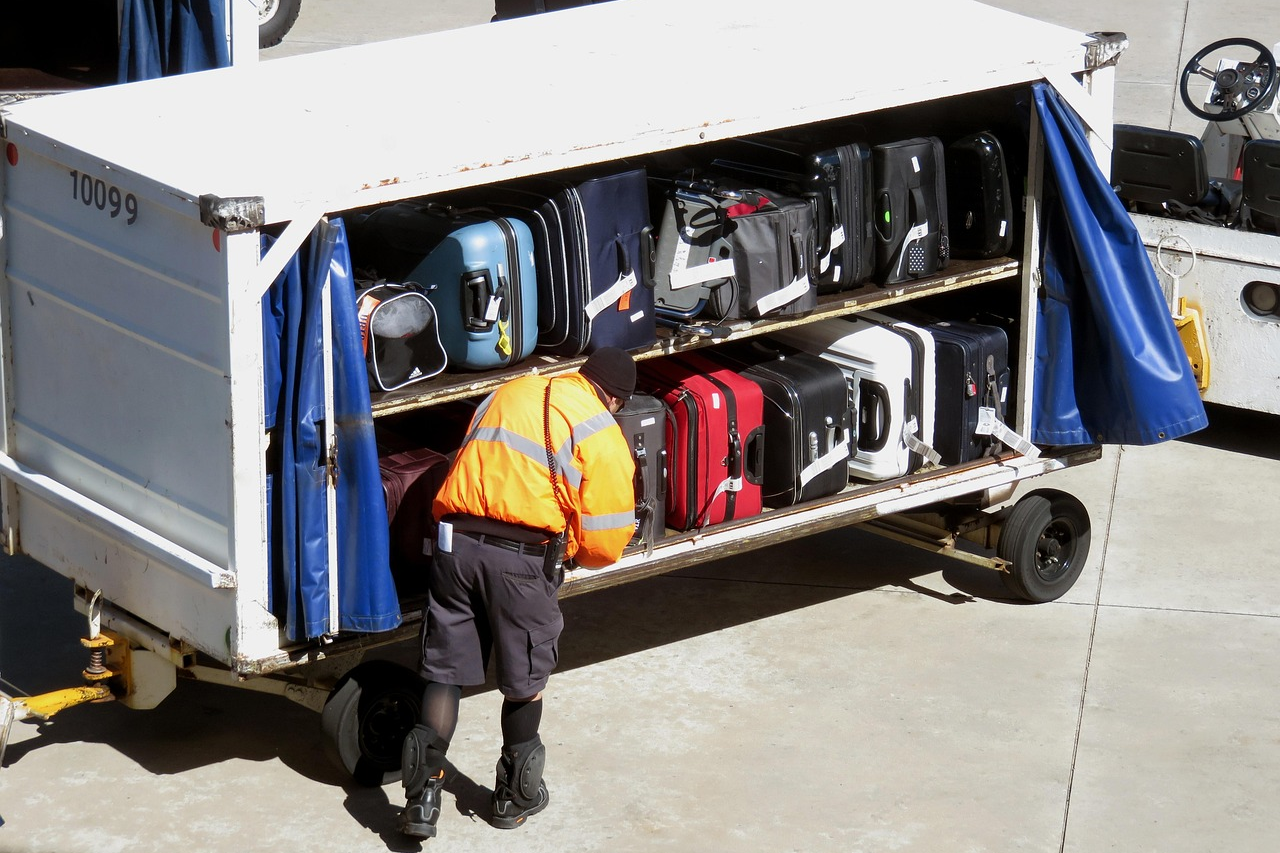
Checked baggage is the suitcase that you hand over at the check-in counter and that travels in the aircraft's cargo compartment. It is mainly useful for longer trips when you need to bring more clothes, larger items, or additional belongings.
During our trips around Europe, we usually avoid checking luggage because we often travel for short periods and prefer the convenience of leaving the airport quickly. A backpack or carry-on bag is usually enough for many destinations.
However, for longer journeys or trips where we need to bring heavier clothing, such as winter coats, checking a suitcase becomes much more practical.
- Weight: on international flights, the allowance usually varies between 23 kg and 32 kg, depending on the airline and fare purchased.
- Dimensions: many airlines use the total sum of the three dimensions (height + width + depth), usually limited to 158 cm.
- Ideal items to pack: bulky clothing, extra shoes, souvenirs, larger toiletries, and items that do not fit in cabin baggage.
- Avoid checking: passports, cash, expensive electronics, jewelry, and valuable belongings.
- Protection: use luggage tags and protect fragile items by placing them between clothes or using appropriate packaging.
Baby and Child Baggage
Traveling with babies and young children requires a little more planning, especially regarding the number of items needed during the journey. Fortunately, many airlines offer additional facilities to make traveling with children more comfortable.
Rules can vary significantly between airlines and destinations, so it is always important to check the specific baggage policy of your airline before your flight.
- Diapers, bottles, and baby food: essential baby items often have exceptions to standard liquid rules. However, they may need to be presented during security screening.
- Strollers: many airlines allow baby strollers at no additional cost. Depending on the airline, they can be handed over at the boarding gate or checked in.
- Car seats: child car seats may have specific transportation rules depending on the airline.
- Extra clothing: always carry some additional clothes in your cabin baggage, especially on long flights, to handle unexpected situations.
- Documents: remember to bring passports, identification documents, and any required travel authorizations for international trips with children.
A useful tip is to keep everything you may need during the flight in your carry-on bag: food, medication, a change of clothes, hygiene items, and anything that helps your child feel comfortable.
Excess Baggage
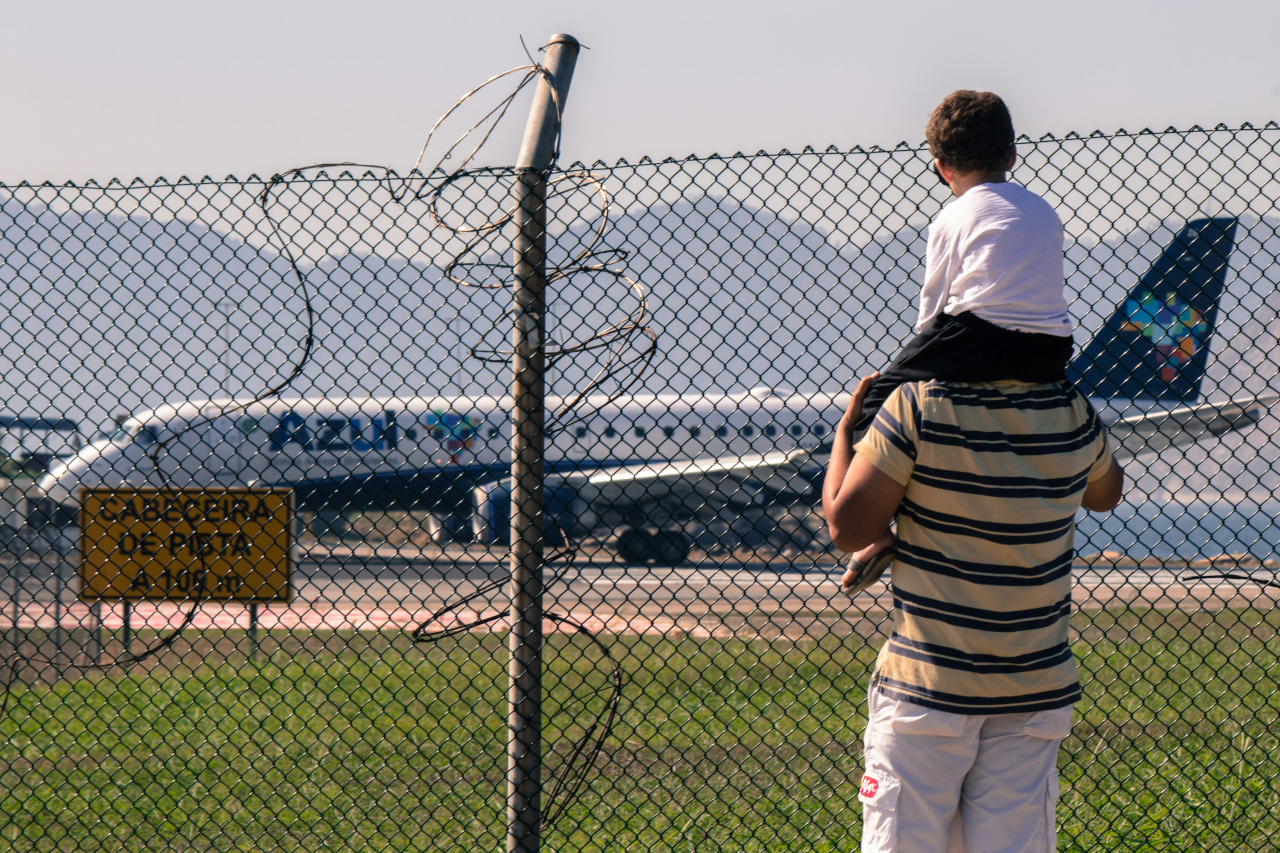
Exceeding the allowed weight, size, or number of bags permitted by the airline can result in expensive fees and turn an affordable trip into a much more expensive experience.
We have seen many passengers having to open their suitcases at the check-in counter to reorganize their belongings because they exceeded the allowed limit. Besides being stressful, some airlines charge high fees when excess baggage is identified at the airport.
That is why we always recommend checking the rules before traveling and weighing your luggage at home. A small portable luggage scale can save you a lot of trouble.
- Weigh your luggage before leaving: make sure your bags are within the weight limit included in your fare.
- Check airline rules: every airline has different limits for weight, dimensions, and the number of bags included.
- Organize your luggage strategically: distribute clothes and belongings between your personal item, carry-on bag, and checked baggage when necessary.
- Purchase extra baggage in advance: if you need additional luggage, buying it online before arriving at the airport is usually cheaper than paying extra fees at the counter.
When is it worth traveling with only a personal item?
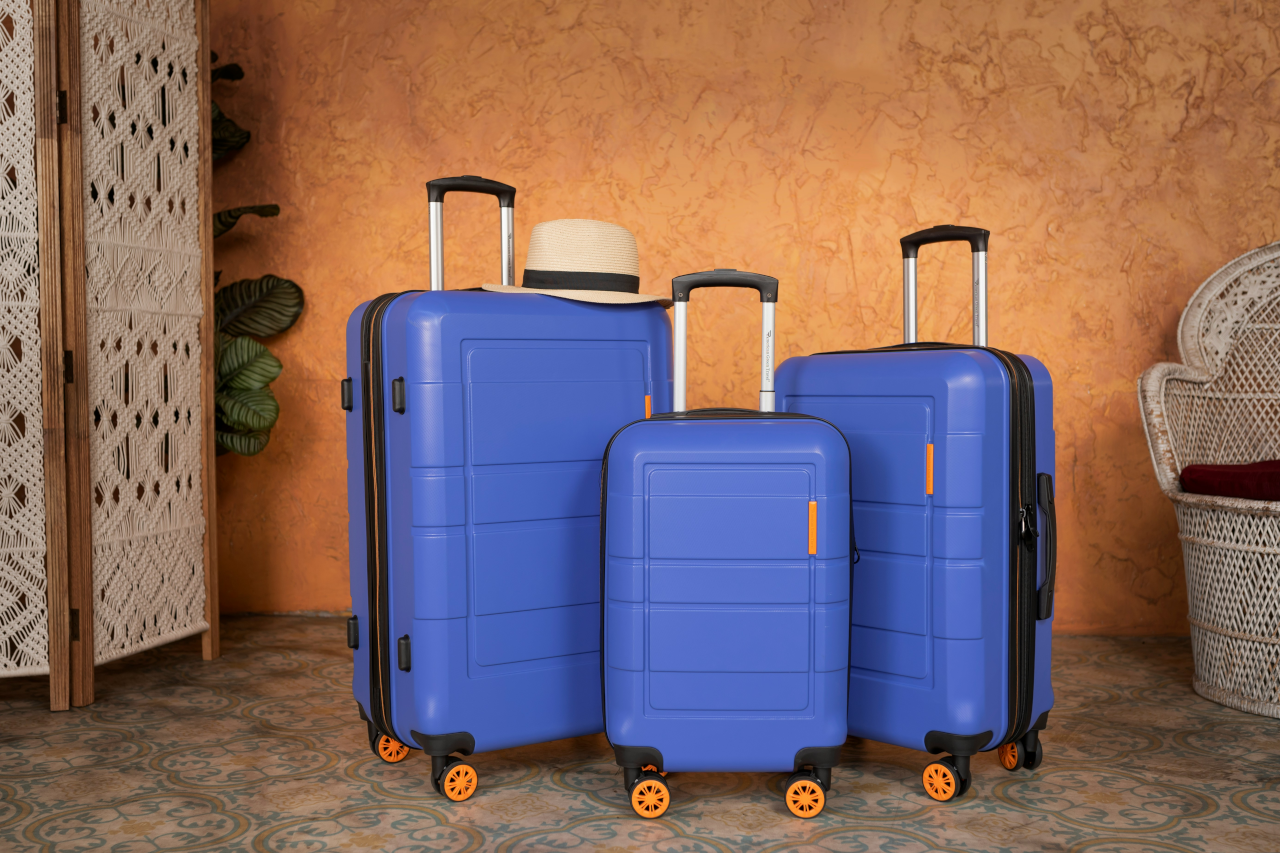
After many trips around Europe, we have noticed that many travelers end up bringing much more luggage than they actually need. Traveling with only a personal item can be an excellent choice, especially for shorter trips.
Based on our experience, a small backpack is usually enough when:
- The trip lasts up to five days;
- The destination has similar weather conditions throughout the trip;
- You can wash some clothes if needed;
- Your goal is to save money on flights and travel more freely.
On the other hand, we recommend considering a carry-on bag or checked luggage when:
- The trip lasts more than one week;
- You are traveling to cold destinations and need bulky coats;
- You plan to shop during your trip;
- You need to carry equipment, specific items, or a larger amount of belongings.
In the end, the best choice depends on your travel style. Sometimes paying less for your flight and traveling with only a backpack makes the entire experience much simpler. In other situations, investing in a larger suitcase avoids discomfort and makes the trip more enjoyable.
Planning your luggage in advance is one of the easiest ways to save money and avoid stress at the airport. Always check the rules of your airline, organize your belongings efficiently, and enjoy your trip with much more peace of mind.
Our recommended partners
These are companies and services that we use or recommend to make your trip easier. By booking through our links, you support Feitos para Viajar at no extra cost.
Accommodation for your trip
Find hotels, apartments and accommodations for every travel style and budget.
Tours and experiences
Book tours, tickets and unforgettable experiences in the destinations you visit.
Internet while traveling
Stay connected with an international eSIM to use maps, translation and apps without relying on Wi-Fi.
International payments and exchange
Save money abroad with an international account and competitive exchange rates.
Travel insurance
Travel with peace of mind with coverage for medical emergencies and unexpected situations.
Train and bus tickets
Compare and book train and bus tickets across Europe in one simple platform.

Written by
Feitos para Viajar
We're Fernanda and Vinicius, travel content creators since 2021. As software engineers living in Germany, we share real travel experiences to help you discover both iconic destinations and hidden gems.
Gostou das nossas dicas? Então compartilhe este blog com seus amigos e siga-nos para mais sugestões de viagem! Estamos aqui para ajudar você a explorar o mundo com confiança e planejamento.


