


If you are planning a trip to Europe, one of the most important steps before boarding your flight is checking all the documents required to go through immigration without problems.
Although many Brazilians can travel to Europe without a visa for tourism, this does not mean entry is automatic. Immigration officers may ask for documents proving the purpose of your trip, where you will stay, and whether you have enough financial resources to support yourself during your stay.
We have traveled several times across Europe and know that immigration can be stressful, especially during your first international trip. That is why we created this guide with all the documents we recommend carrying, as well as the new requirements coming into place, such as the EES (Entry/Exit System) and the future ETIAS.
Brazilian citizens can stay in the Schengen Area for up to 90 days within a 180-day period without a visa, as long as the trip is for tourism, business, or short visits.
Documents Required to Enter Europe
To enter the Schengen Area, we recommend traveling with all necessary documents organized. Immigration officers may not always ask for everything, but if a document is requested and you cannot provide it, your entry could be refused.
1. Valid Passport
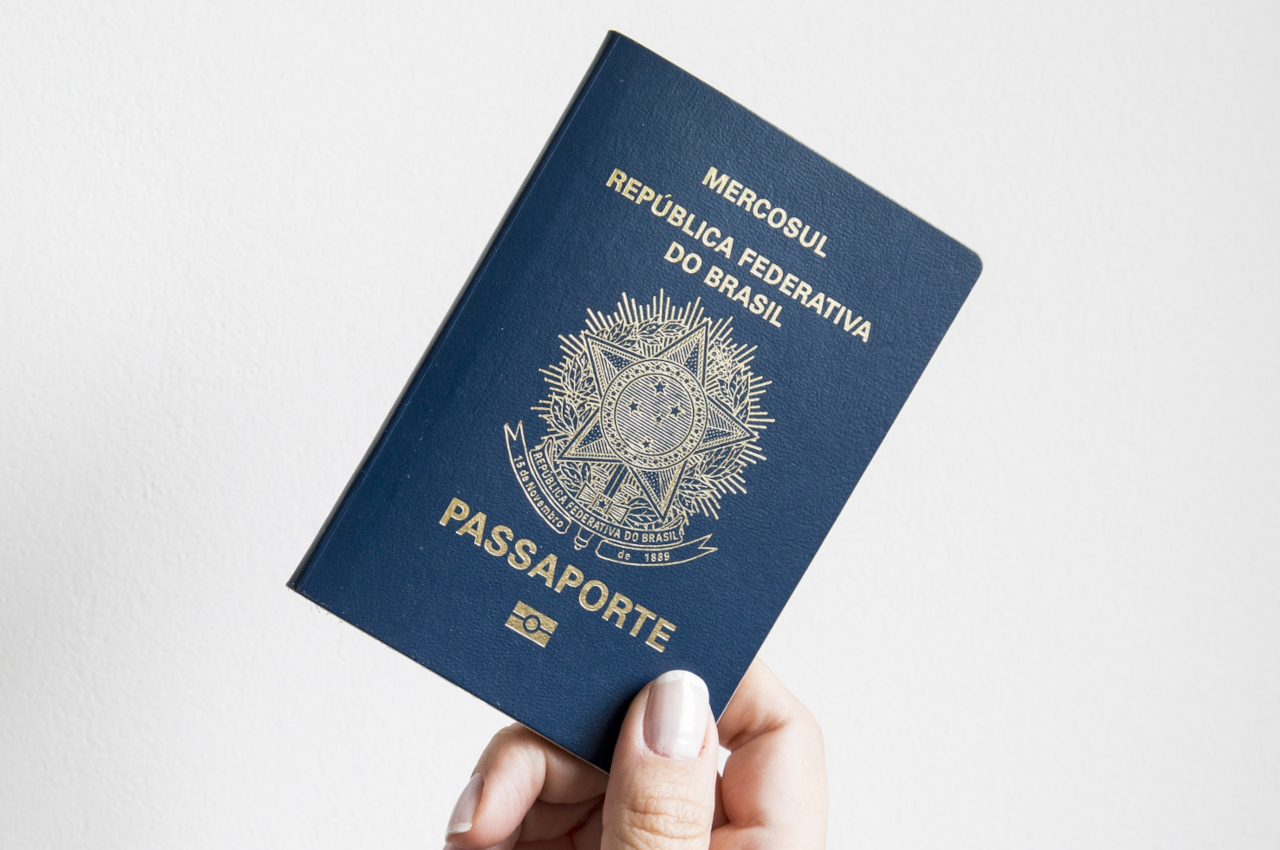
Your passport is the most important document for any international trip. To enter countries within the Schengen Area, it must meet the following requirements:
- Be valid for at least 3 months after your planned departure date from the Schengen Area;
- Have been issued within the last 10 years;
- Be in good condition, without damage that could prevent identification of your information.
Example: if you are staying in Europe until June 30, your passport should be valid at least until September 30.
If you do not have a passport yet or need to renew yours, you can request it through the official Brazilian government website: Obtain a Brazilian Passport .
2. Return Ticket or Proof of Departure from Europe
Immigration authorities may request proof that you will leave the Schengen Area within the allowed period.
This can be a return ticket to Brazil or another document showing your departure from the Schengen Area before the end of the permitted stay of 90 days within a 180-day period.
If you are traveling around Europe and then continuing to another continent, a ticket to a destination outside the Schengen Area can also be used as proof of departure.
3. Proof of Financial Means
During immigration control, authorities may ask you to prove that you have enough financial resources to support yourself during your trip.
The minimum amount required varies depending on the country you enter and your individual situation. Some countries have official amounts, while others evaluate factors such as the length of your stay, accommodation, and travel plans.
In practice, many travelers use around €80 to €100 per day as a reference, especially when accommodation has already been paid. However, this is not a universal rule for all European countries.
Documents commonly accepted as proof of financial means include:
- Recent bank statements;
- International credit card with available limit;
- Balance from an international digital account;
- Cash in euros or another currency.
We use the Wise card during our trips around Europe because it makes payments in different currencies easier and usually offers good exchange rates. You can learn more about Wise by clicking here .
4. Proof of Accommodation
Immigration authorities may also ask for proof of where you will be staying during your trip to Europe.
This document helps demonstrate that you have a planned itinerary and know where you will stay during your visit.
The most common accepted documents are:
- Hotel or Airbnb reservation: you can present the confirmation provided by the booking platform. Many platforms allow you to download the document in different languages.
- Invitation letter: if you are staying with a friend or family member who lives in Europe, you may need to provide an invitation letter or accommodation declaration, depending on the country.
The requirements for invitation letters vary depending on the country you are entering. Some countries have official forms or require notarized signatures, while others accept a simple declaration together with the resident's identification documents.
Since we lived in Portugal, we know that this document is frequently requested during Portuguese immigration. That is why we have included a simple example below that can be adapted to your situation.
Invitation Letter Example:
ACCOMMODATION INVITATION LETTER
I, [Resident's Name], residing at [Resident's Address], NIF: [NIF Number], holder of Passport No. [Passport Number], issued on [Issue Date] and valid until [Expiration Date], phone number [Contact Number], declare that I will host [Visitor's Name], residing at [Visitor's Address], holder of Passport No. [Passport Number], issued on [Issue Date] and valid until [Expiration Date].
I declare that the visitor will stay at my residence from [Start Date] to [End Date].
I take responsibility for providing accommodation during this period and remain available for any necessary clarifications.
[Location], [Date]

TIP: If you are staying at someone's home, ask the person to also send a copy of their identification document and proof of residence. It may seem like extra preparation, but having everything organized can prevent problems during immigration.
5. Travel Insurance
Travel insurance is one of the most important documents for anyone visiting Europe. For Schengen visa applications, there is a requirement for a minimum coverage of €30,000 for medical and hospital expenses.
Although Brazilian tourists do not need to apply for a Schengen visa, we strongly recommend purchasing travel insurance before your trip. Besides protecting you from unexpected medical expenses, it can also cover situations such as:
- Flight cancellations or delays;
- Lost luggage;
- Medical assistance during your trip;
- Emergency dental care.
We recommend Real Seguro travel insurance, which we use as a reference for our trips. You can check the available options by clicking here .
EES: Europe's New Entry and Exit System
Besides the traditional travel documents, one of the biggest changes for people traveling to Europe is the EES (Entry/Exit System), the new digital border control system for the Schengen Area.
The EES is not a document that you need to apply for before your trip. Instead, it is an electronic registration system that records the entry and exit of travelers from countries outside the European Union, including Brazil.
In practice, when entering or leaving the Schengen Area, your information may be recorded digitally, gradually replacing the traditional passport stamps.
The system may involve collecting biometric information such as:
- Facial image;
- Fingerprints;
- Passport details;
- Date and location of entry and exit.
You do not need to register before traveling. The procedure will be completed during border control at the airport or immigration checkpoint.
Want to understand exactly how the EES works, when it starts, and what changes for Brazilian travelers? Check out our complete guide: EES in Europe: Everything You Need to Know .
ETIAS: New Travel Authorization for Europe
The ETIAS (European Travel Information and Authorisation System) will be a new electronic travel authorization for citizens of countries that currently do not need a visa to enter the Schengen Area, including Brazil.
Unlike the EES, ETIAS must be requested before traveling through an online application. It will work similarly to the ESTA system used in the United States.
The current expectation is that ETIAS will become operational at the end of 2026. Once active, Brazilian travelers will need to request this authorization before traveling to Europe.
The authorization will be valid for up to three years or until the passport used in the application expires, allowing multiple entries during this period.
At the moment, Brazilian tourists do not need to apply for ETIAS. However, it is important to check the latest updates before your trip.
We explain all the details about this upcoming requirement in our complete guide: ETIAS: Everything About Europe's New Travel Authorization .
Europe Entry Documents Checklist
Before leaving home, make sure you have all the important documents for your trip. Not all of them will necessarily be requested during immigration, but being prepared can prevent stress and possible issues upon arrival.
- Valid passport (with at least 3 months of validity after leaving the Schengen Area);
- Return ticket or proof of departure from Europe;
- Proof of accommodation (hotel, Airbnb, or invitation letter);
- Proof of financial means (international card, bank statement, or cash);
- Travel insurance with appropriate coverage;
- Travel itinerary and important reservations (recommended);
- International card or euros in cash for expenses during your trip.
One tip we always follow is keeping digital copies of all important documents on our phones or in a secure cloud service. This way, if something unexpected happens, you will still have access to the necessary information.
Final Considerations
Having your documents organized will make your arrival in Europe much smoother. Although immigration is often quick and simple, it is important to remember that border officers may ask for proof regarding your trip.
The best strategy is to travel prepared: have your valid passport, accommodation reservations, financial documents, and all important information easily accessible.
We also recommend always checking the latest requirements before traveling, as entry procedures may change, especially with the implementation of new systems such as the EES and ETIAS.
Now that you know which documents are required to enter Europe, it is time to plan your trip and enjoy the continent with more confidence and peace of mind.
Our recommended partners
These are companies and services that we use or recommend to make your trip easier. By booking through our links, you support Feitos para Viajar at no extra cost.
Accommodation for your trip
Find hotels, apartments and accommodations for every travel style and budget.
Tours and experiences
Book tours, tickets and unforgettable experiences in the destinations you visit.
Internet while traveling
Stay connected with an international eSIM to use maps, translation and apps without relying on Wi-Fi.
International payments and exchange
Save money abroad with an international account and competitive exchange rates.
Travel insurance
Travel with peace of mind with coverage for medical emergencies and unexpected situations.
Train and bus tickets
Compare and book train and bus tickets across Europe in one simple platform.

Written by
Feitos para Viajar
We're Fernanda and Vinicius, travel content creators since 2021. As software engineers living in Germany, we share real travel experiences to help you discover both iconic destinations and hidden gems.
Gostou das nossas dicas? Então compartilhe este blog com seus amigos e siga-nos para mais sugestões de viagem! Estamos aqui para ajudar você a explorar o mundo com confiança e planejamento.


