


One of the most common questions when planning a trip to Berlin is: What is the best time to visit the city?
The truth is that Berlin is a city that can be enjoyed all year round. Each season completely changes the experience: spring brings blooming parks, summer offers a vibrant atmosphere with outdoor events, autumn transforms the city with beautiful colors, and winter creates a unique atmosphere with Christmas markets and the possibility of snow.
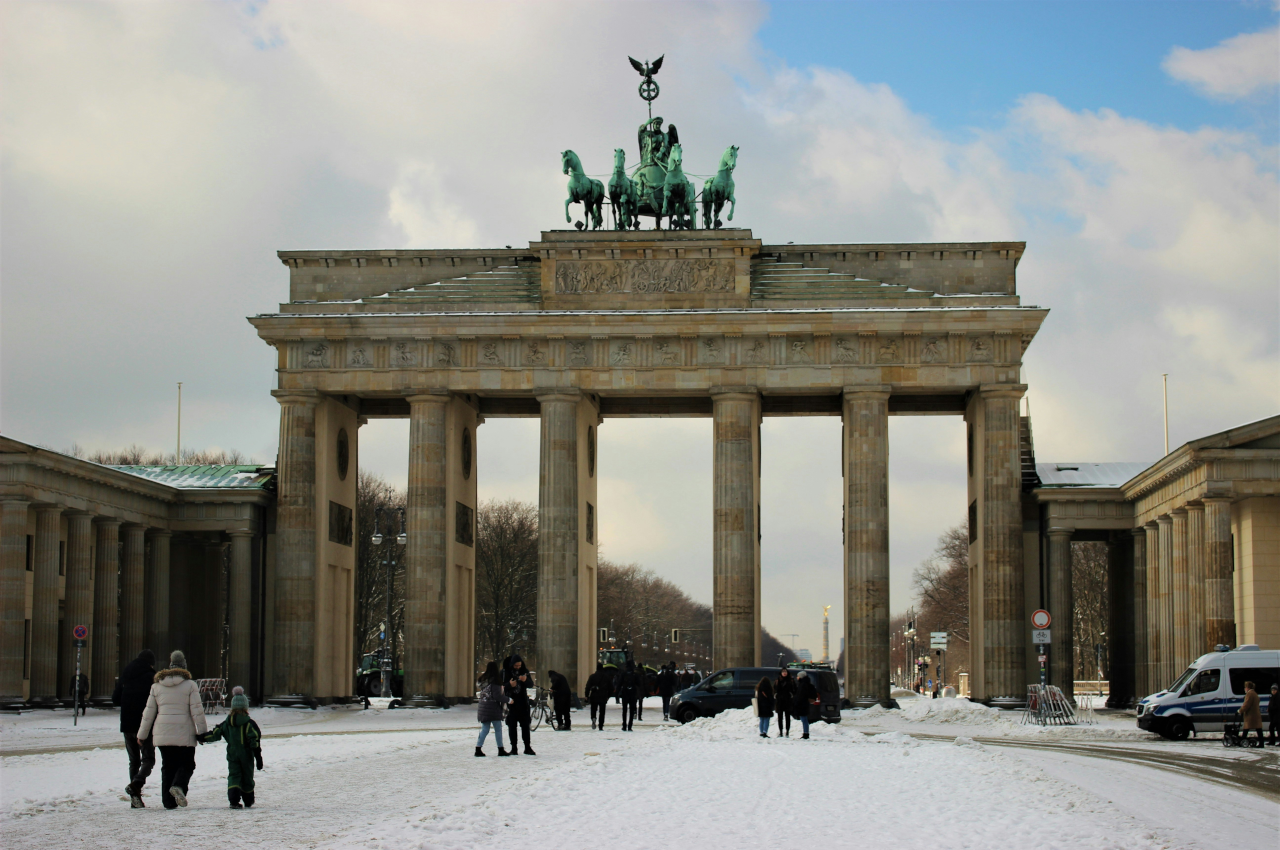
We visited Berlin in winter and can say that, despite the cold, it was an unforgettable experience. The illuminated streets, Christmas markets, and the city's historic atmosphere made the trip even more special.
In this guide, we will show what Berlin is like in each season, which events happen throughout the year, and which period to choose depending on the type of trip you are looking for.
Berlin Weather: What to Expect in Each Season
Spring (March to May)
Spring in Berlin marks the end of winter and the beginning of one of the most pleasant times to explore the city.
March can still be quite cold, with temperatures around 5°C, but April and May usually bring milder days, with temperatures between 10°C and 20°C.
The parks start blooming, and places like Großer Tiergarten, Volkspark Friedrichshain, and the city's gardens become beautiful areas for walking.
Another advantage is that the city is not as crowded as during summer, and accommodation prices are usually better.
Highlight: At the end of May, Berlin hosts the Karneval der Kulturen, one of the city's most famous events. The festival celebrates Berlin's cultural diversity with parades, music, and performances throughout the streets of Kreuzberg.
Summer (June to August)
Summer is the high season in Berlin and one of the liveliest times to visit the city.
Temperatures are usually between 20°C and 30°C, with very long days and sunlight until almost 9 PM or 10 PM during the peak of the season.
This is when Berlin truly comes alive: parks get crowded, biergartens welcome locals and tourists, outdoor festivals take place, and many people enjoy the lakes around the city.
The Tempelhofer Feld, a former airport transformed into a park, is one of the best examples of Berlin's summer lifestyle. It is common to see people having picnics, cycling, or simply enjoying the sunshine.
The downside is that this is also the busiest and one of the most expensive times to visit Berlin. Hotels usually have higher demand and some attractions may have longer lines.
Highlight: Summer is perfect for those who enjoy outdoor events. The city hosts festivals, concerts, open-air cinemas, and many cultural activities across its neighborhoods.

Autumn (September to November)
Autumn is one of our favorite seasons to visit European cities, and Berlin becomes especially beautiful during this period.
In September, temperatures are still pleasant, usually between 15°C and 20°C. By November, colder weather starts to arrive, with temperatures around 3°C to 10°C.
Berlin's parks look incredible during this season. The Tiergarten and Grunewald forests take on golden and orange tones, creating beautiful landscapes for walking and taking photos.
Another advantage is that the city becomes quieter after the busy summer season while still maintaining a very active cultural calendar.
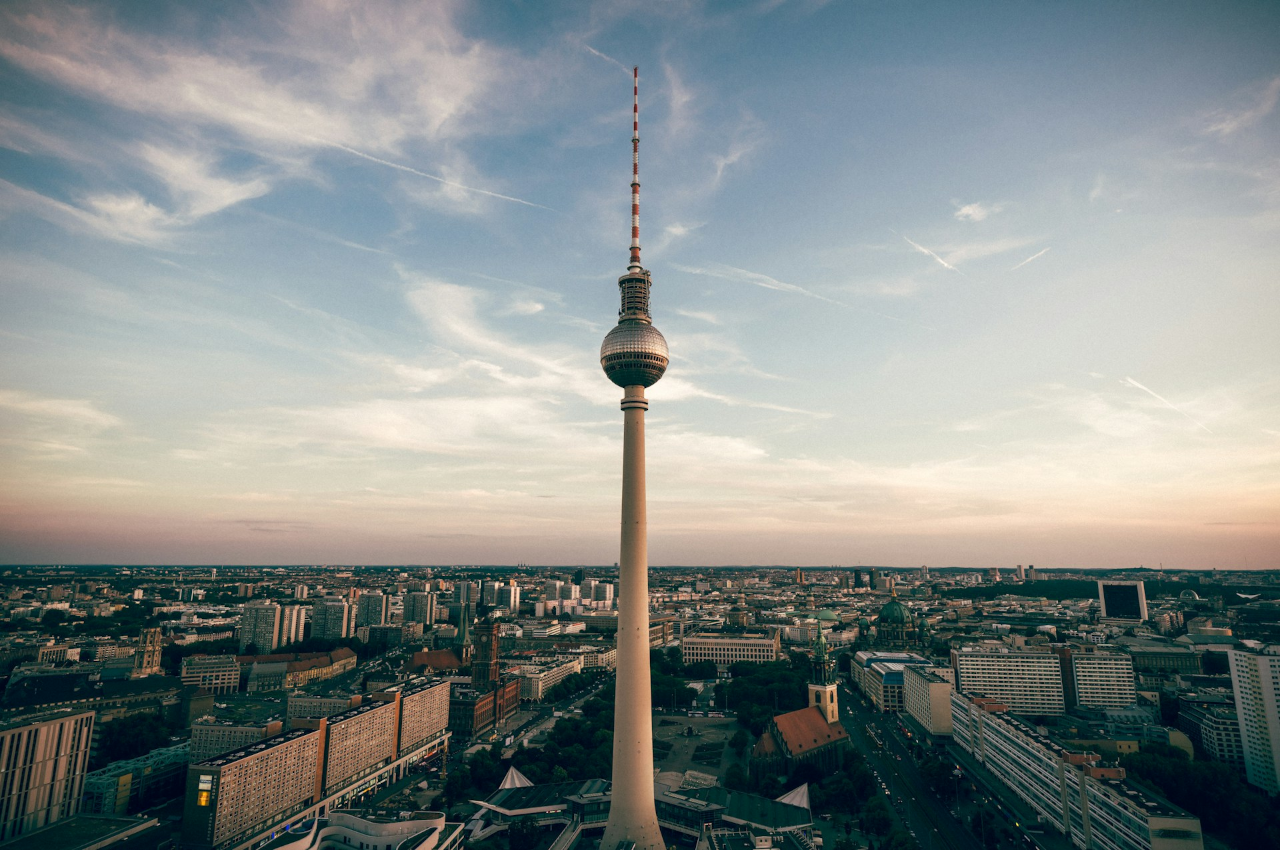
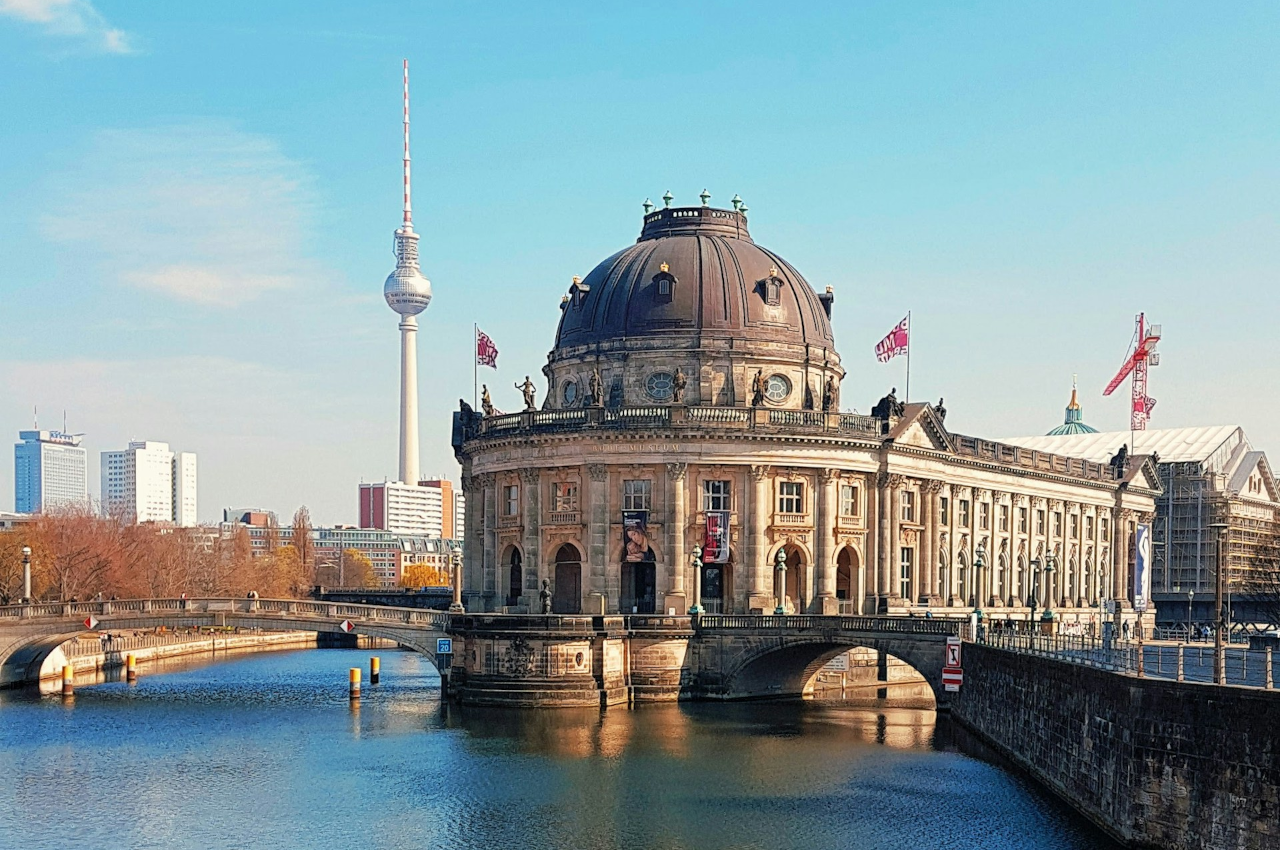
Highlight: In October, Berlin hosts the Festival of Lights, when several monuments and historic buildings receive light projections. The Brandenburg Gate, Berlin Cathedral, and TV Tower become even more impressive.
Winter (December to February)
Winter in Berlin is cold, but it is also one of the most charming times to visit the city.
Temperatures are usually between -3°C and 4°C, and snow is possible, especially between December and February.
We visited Berlin in winter, and this atmosphere was exactly what made the trip so special. The historic city, Christmas lights, and markets spread throughout the neighborhoods create a completely different experience.
In December, the famous Christmas markets are the main attraction. The market around Gendarmenmarkt is one of the most famous, but there are dozens of options throughout the city.
January and February are the quietest months of the year. It is a great time for those who want to visit museums, cozy cafés, and indoor attractions with fewer crowds and usually better prices.
Berlin Events Calendar
Besides the seasons, some events can greatly influence your travel dates. Berlin has a very active cultural calendar throughout the year.
- February: Berlinale — one of the largest international film festivals in the world, bringing together movies, directors, and artists from many countries.
- May: Karneval der Kulturen — a multicultural parade with music, dancing, and performances through the streets of Kreuzberg.
- June to August: Outdoor festival season, concerts, cultural events, and activities in the city's parks.
- October: Festival of Lights — historic monuments receive light projections and artistic installations.
- December: Christmas markets throughout the city, with traditional food, crafts, and a special winter atmosphere.
Frequently Asked Questions About Berlin Weather
Does it snow in Berlin?
Yes, it can snow in Berlin during winter, especially between December and February. However, the amount of snow varies significantly from year to year.
When snow appears, the city becomes even more beautiful, especially in parks like Tiergarten, along the Spree River, and around historic monuments.
Which month has the best weather in Berlin?
For most travelers, May, June, and September are usually the months with the best balance.
These periods combine pleasant temperatures, longer days, and fewer tourists compared to the peak summer season.
What is the cheapest month to visit Berlin?
January and February are usually the cheapest months to visit Berlin, as there are fewer tourists and lower demand for accommodation.
The exception is December, when the city becomes popular again because of the Christmas markets.
Is Berlin worth visiting in winter?
Yes! Despite the cold weather, winter can provide one of the most special experiences in the city.
Christmas markets, museums, cozy cafés, and the possibility of snow give Berlin a completely different charm during this season.
Summary: Which Season Should You Choose to Visit Berlin?
- Best overall balance: May, June, and September.
- For Christmas markets: December.
- For festivals and outdoor activities: June to August.
- For saving money: January and February.
- For the Festival of Lights: October.
Our Favorite Time to Visit Berlin
Although we visited Berlin during winter, this season remains one of our favorite experiences in the city.
For travelers coming from Brazil, the cold weather may feel intense at first, but Berlin was one of those cities where the temperature became part of the experience. Walking through historic streets, visiting museums, and ending the day at a Christmas market made the trip even more special.
On the other hand, for those who enjoy parks, long days, and outdoor activities, summer is also an excellent choice.
Regardless of the season you choose, Berlin always has something different to offer. The city completely changes throughout the year, and this is one of the most interesting things about visiting the German capital.
Continue Planning Your Trip to Berlin
Now that you know when to visit Berlin, continue planning your trip with the next parts of our complete guide:
- How to Get to Berlin Find information about airports, flights, public transportation, and how to reach the city center.
- Things to Do in Berlin Discover the main attractions, museums, memorials, and unforgettable experiences.
- Where to Stay in Berlin Discover the best neighborhoods and tips for choosing your accommodation.
- Where to Eat in Berlin Discover restaurants, traditional food, and gastronomic experiences in the city.
Our recommended partners
These are companies and services that we use or recommend to make your trip easier. By booking through our links, you support Feitos para Viajar at no extra cost.
Accommodation for your trip
Find hotels, apartments and accommodations for every travel style and budget.
Tours and experiences
Book tours, tickets and unforgettable experiences in the destinations you visit.
Internet while traveling
Stay connected with an international eSIM to use maps, translation and apps without relying on Wi-Fi.
International payments and exchange
Save money abroad with an international account and competitive exchange rates.
Travel insurance
Travel with peace of mind with coverage for medical emergencies and unexpected situations.
Train and bus tickets
Compare and book train and bus tickets across Europe in one simple platform.

Written by
Feitos para Viajar
We're Fernanda and Vinicius, travel content creators since 2021. As software engineers living in Germany, we share real travel experiences to help you discover both iconic destinations and hidden gems.
Gostou das nossas dicas? Então compartilhe este blog com seus amigos e siga-nos para mais sugestões de viagem! Estamos aqui para ajudar você a explorar o mundo com confiança e planejamento.


