


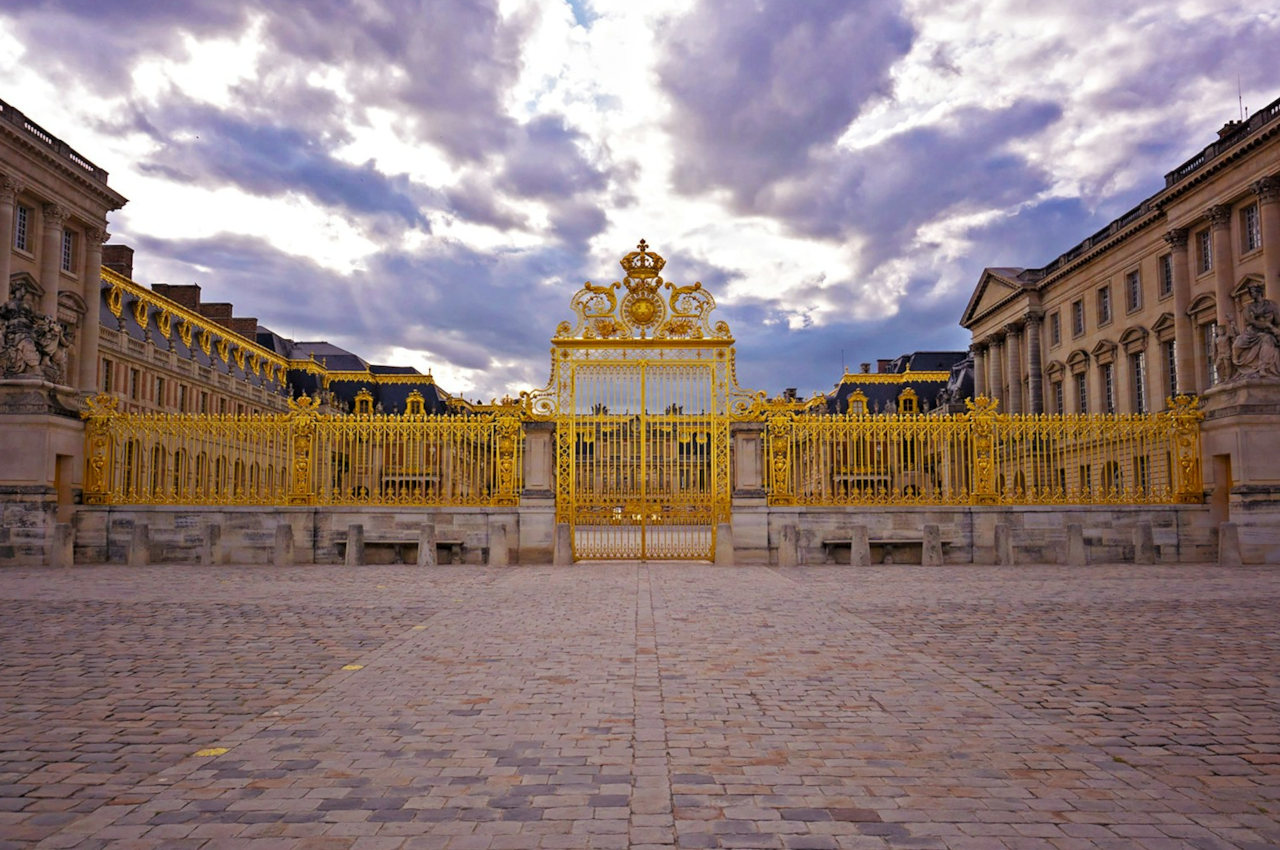
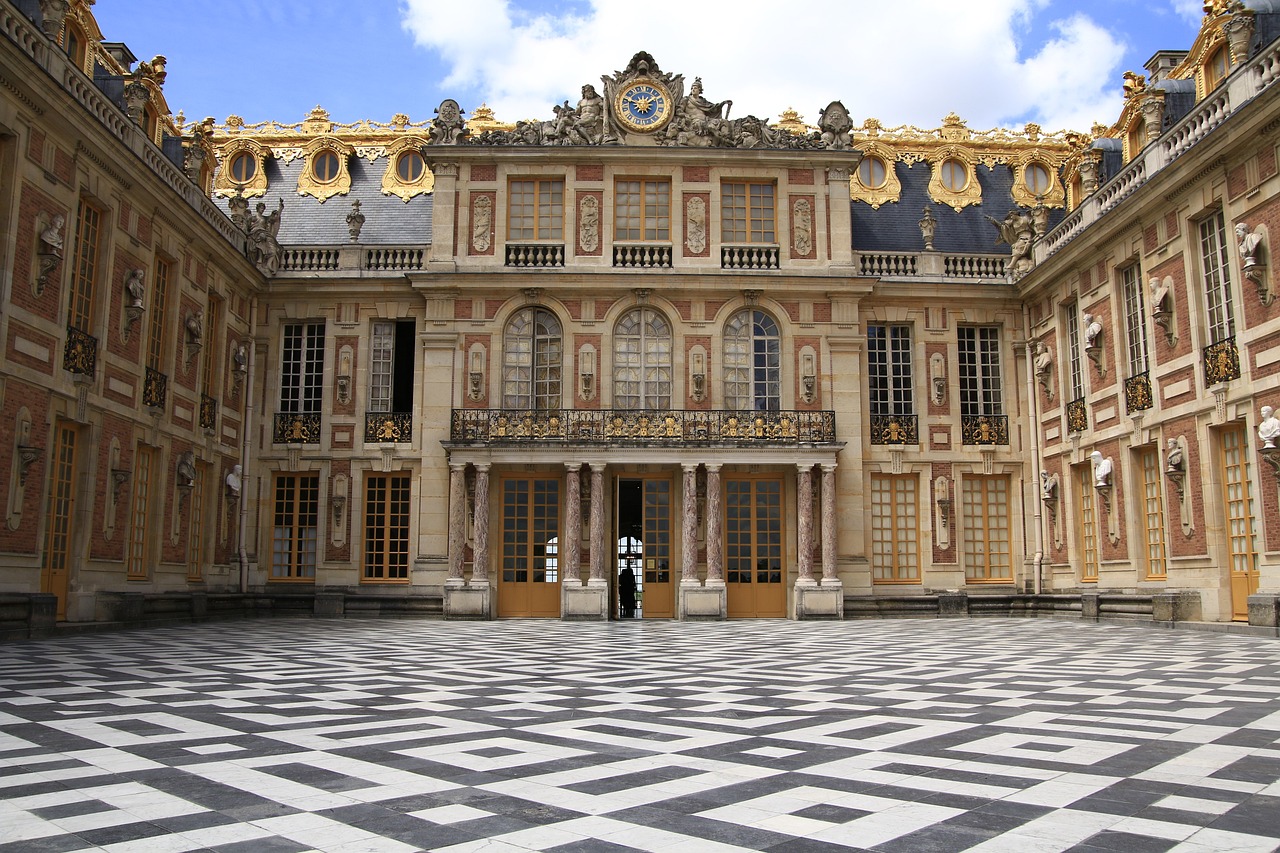
The Palace of Versailles is famous not only for its impressive architecture but also as a symbol of absolute monarchy, upheld by King Louis XIV, the "Sun King." Built starting in 1664, the palace was a model for royal residences for over a century, influencing the construction of palaces across Europe. It features an impressive 2,153 windows, 67 staircases, 352 chimneys, 700 rooms, and 1,250 fireplaces, as well as 700 hectares of gardens. One of France's most visited tourist attractions, it welcomes around eight million tourists annually. Versailles is just three blocks from the nearest train station, making it easily accessible for those visiting Paris.
Our blogs provide comprehensive information about each country and city to make your experience even more complete. If you wish to go directly to the information about Versailles, click here or choose one of the options in the list below.
What you will find in this post:
How to Get to Versailles?
To reach Versailles from the Eiffel Tower, you can take the RER line C train and get off at the Versailles Château - Rive Gauche station, which is just a 10-minute walk from the Palace. The central Paris stations that offer this route include St-Michel, Musée d'Orsay, Invalides, Pont de l'Alma, and Champs de Mars - Tour Eiffel. For more convenience, purchase round-trip tickets to save time on the return. The round-trip fare costs about 5 euros and takes approximately 40 minutes.
Important Information: This price is updated with the new 2025 rates, where the public transport fare for all zones in Paris is 2.50 euros.
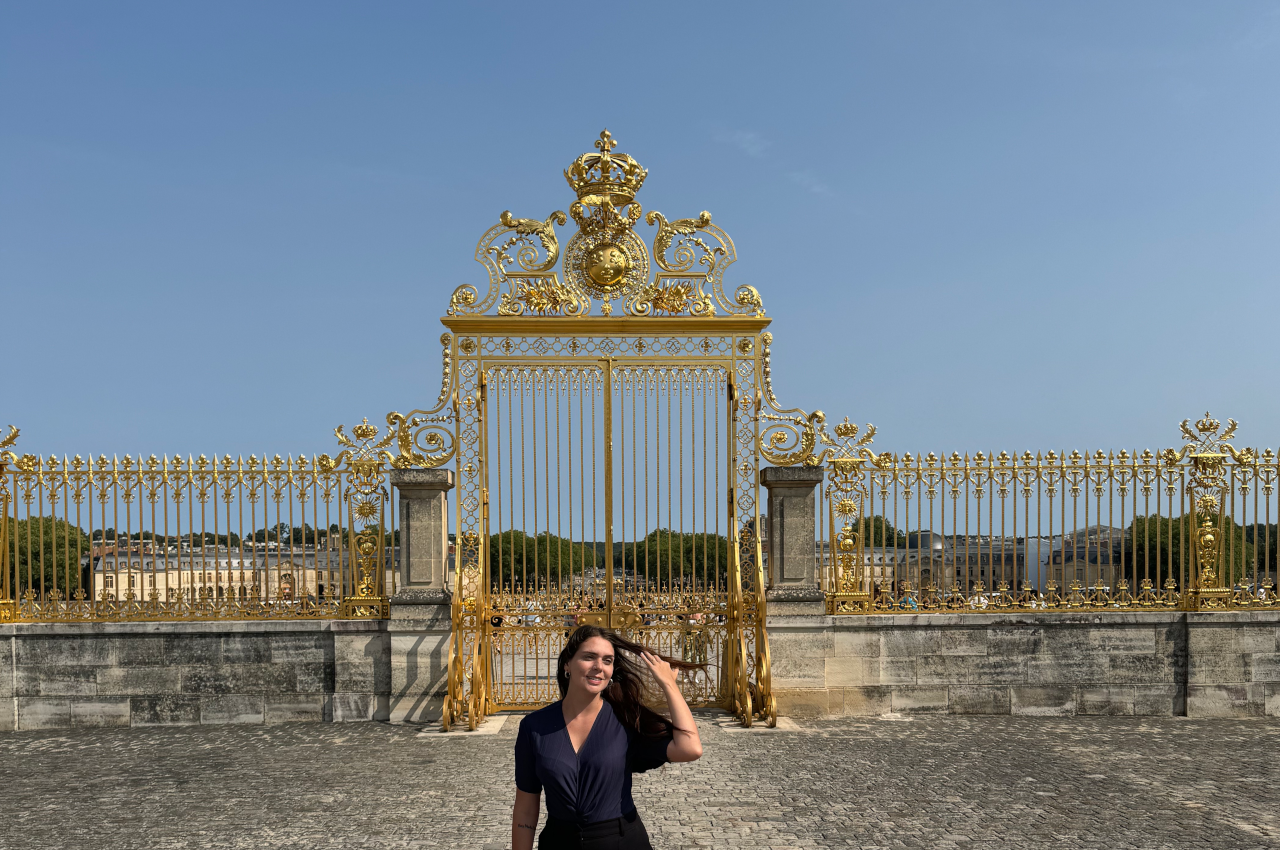
How Much Does It Cost to Enter the Palace?
The ticket for the Palace of Versailles starts at 24 euros and offers a complete experience, including:
- Entrance to the Palace with a scheduled time, allowing access to the Hall of Mirrors and the royal apartments.
- 1-day access to the entire Versailles estate, which includes the property of Marie Antoinette, the Grand Trianon, and the Petit Trianon.
- 1-day access to the Musical Gardens or the Fountain Show during the season (April to October), when the fountains in the garden are activated and accompanied by classical music.
- Temporary Exhibitions, which change throughout the year and include special showcases on historical, artistic, or cultural topics related to Versailles.
This ticket allows you to explore all the iconic areas of the Palace and its gardens, offering an immersive experience rich in history and art. Since it is a highly sought-after attraction, it is recommended to purchase tickets in advance to avoid long lines and secure your desired time slot. Buy your ticket to Versailles here.
The History of Versailles
The Palace of Versailles was conceived by Louis XIV, known as the Sun King, who ruled France with absolute and centralized power. He wanted the palace to reflect his power and the glory of his reign, turning Versailles into a symbol of French monarchy and royal authority. Originally, Versailles was a hunting lodge, which was gradually expanded and remodeled to become the official residence of the court.
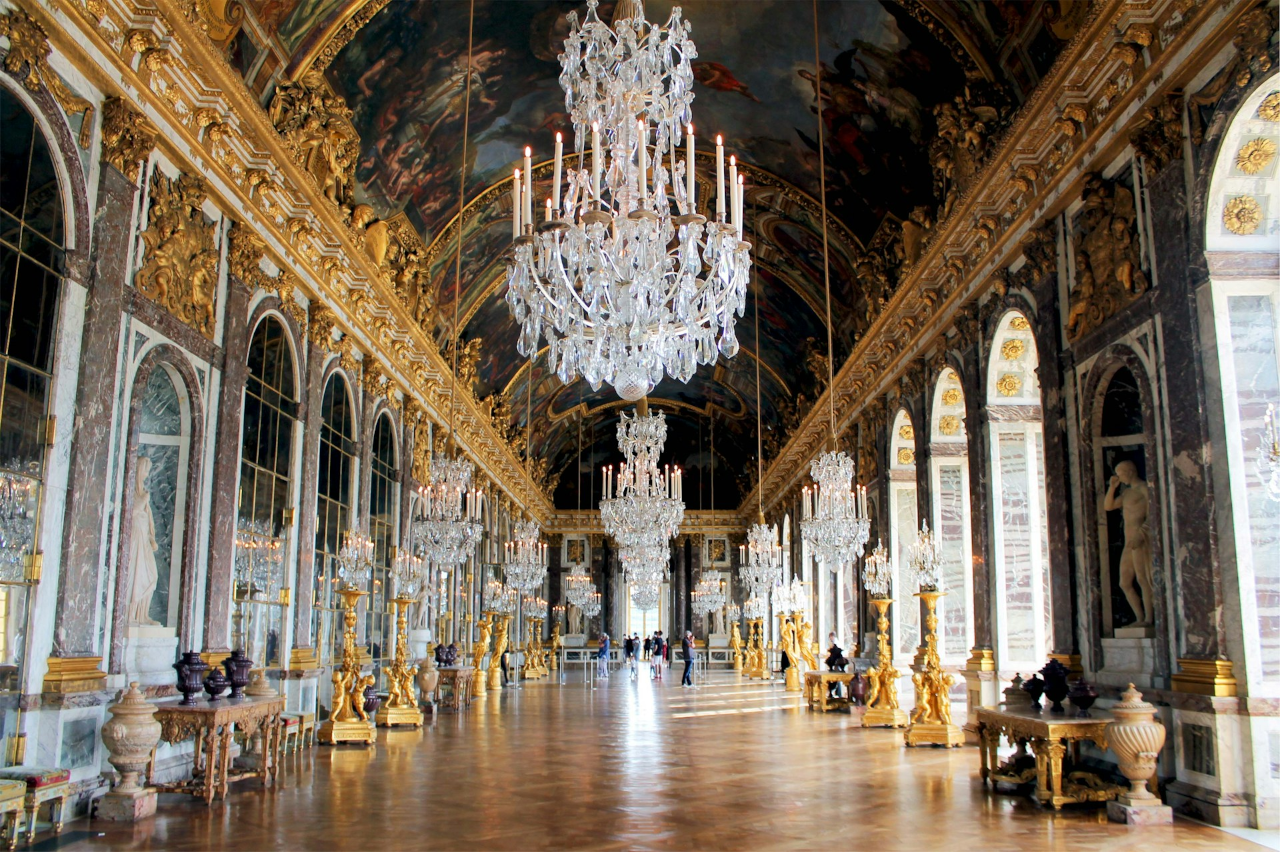
Construction began in 1664 and involved the best architects and artists of the time, including the landscaper André Le Nôtre, who designed the stunning gardens, and the painter Charles Le Brun, responsible for the sumptuous interior decorations. The famous Hall of Mirrors, completed in 1684, is an architectural landmark of French Baroque and was the setting for historical events, such as the signing of the Treaty of Versailles in 1919, which ended World War I.
Versailles was also a political strategy of Louis XIV, who required the nobility to live in the palace, where they were under constant surveillance, leaving no opportunity for conspiracy. With this strategy, he consolidated his power and controlled the aristocracy.
After the French Revolution, the palace ceased to be the residence of the monarchy and underwent several transformations before being opened to the public as a museum. Today, it is a UNESCO World Heritage site and a historic symbol of the opulence of the French monarchy.
What to Visit in Versailles?
The Palace of Versailles offers a variety of attractions for all tastes and can be easily divided into five main areas:
- Visit the Palace: Explore the vast halls, filled with luxurious decorations and artworks. The highlight is the Hall of Mirrors, a gallery with 357 mirrors opposite windows that reflect natural light, creating a majestic effect. This hall is one of the most iconic locations in European history, and its splendor continues to impress visitors today.
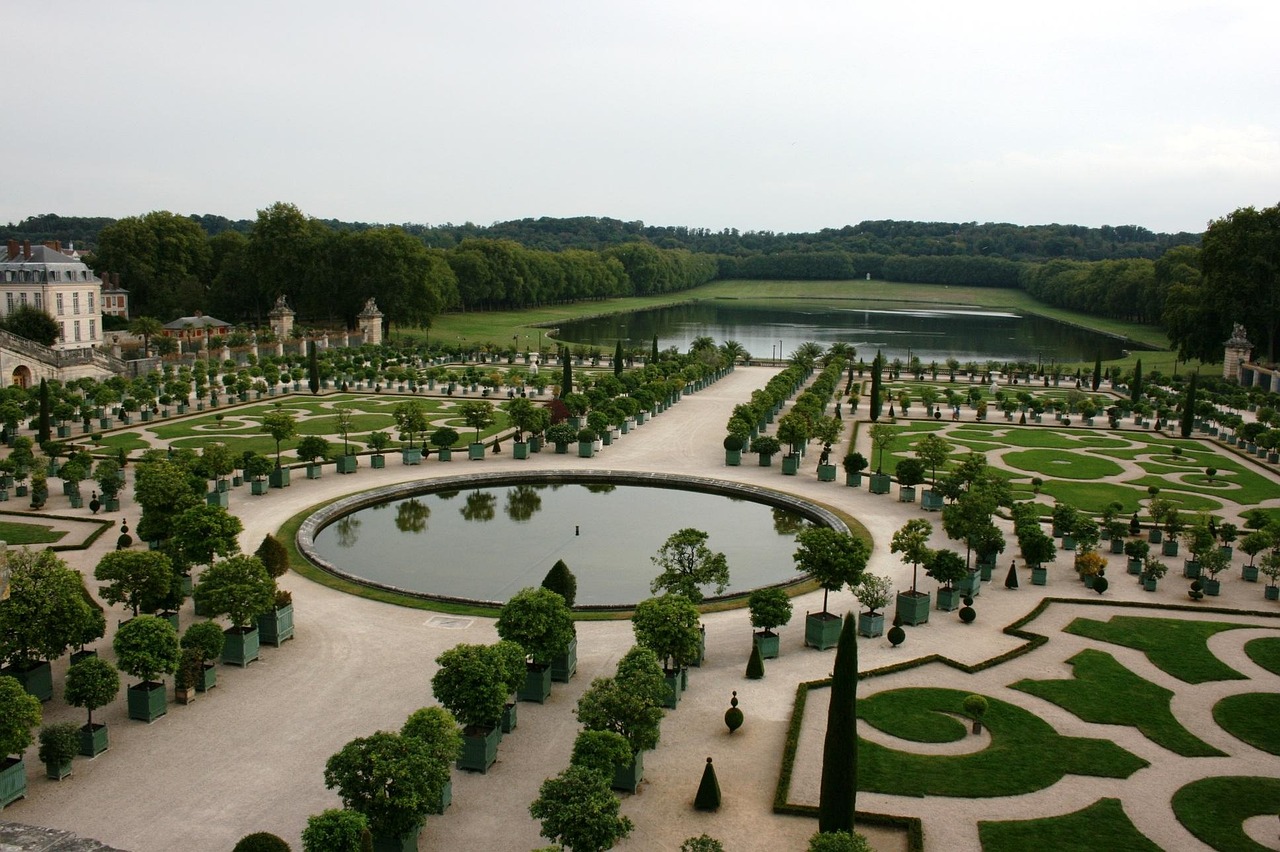
- Explore the Gardens: The gardens of Versailles are famous for their symmetrical and meticulous design, filled with fountains, sculptures, and lakes. Stroll along tree-lined paths and admire the spectacular fountains, such as the Neptune Fountain and the Apollo Fountain. The gardens cover about 700 hectares and include wooded areas, perfect for peaceful walks or picnics.
- Visit the Domain of Marie Antoinette: This area includes the Petit Trianon and the Hameau de la Reine, a rustic village created for Marie Antoinette, where she sought to escape the formality of the court. The village features picturesque cottages, bucolic gardens, and lakes, providing a glimpse into the simpler lifestyle the queen desired.
- Fountain Show and Musical Gardens: During the season (April to October), the gardens of Versailles come to life with fountain performances and classical music. It’s a unique experience, where the waters of the fountains are synchronized with musical compositions, creating a visual and auditory spectacle.
- Events and Temporary Exhibitions: Throughout the year, the Palace of Versailles hosts temporary exhibitions that highlight aspects of French history, art, and culture. These events provide opportunities to explore new perspectives on the palace and France.
Is It Worth Visiting Versailles?
Yes! Visiting Versailles is an amazing experience that allows visitors to immerse themselves in the history, art, and grandeur of the French monarchy. In addition to admiring the exuberant architecture and design, the place conveys a sense of being in a period where wealth and power were visually manifested in impressive ways. The Palace and its gardens are cultural and historical treasures, making for an unforgettable visit.
Our recommended partners
These are companies and services that we use or recommend to make your trip easier. By booking through our links, you support Feitos para Viajar at no extra cost.
Accommodation for your trip
Find hotels, apartments and accommodations for every travel style and budget.
Tours and experiences
Book tours, tickets and unforgettable experiences in the destinations you visit.
Internet while traveling
Stay connected with an international eSIM to use maps, translation and apps without relying on Wi-Fi.
International payments and exchange
Save money abroad with an international account and competitive exchange rates.
Travel insurance
Travel with peace of mind with coverage for medical emergencies and unexpected situations.
Train and bus tickets
Compare and book train and bus tickets across Europe in one simple platform.

Written by
Feitos para Viajar
We're Fernanda and Vinicius, travel content creators since 2021. As software engineers living in Germany, we share real travel experiences to help you discover both iconic destinations and hidden gems.
Gostou das nossas dicas? Então compartilhe este blog com seus amigos e siga-nos para mais sugestões de viagem! Estamos aqui para ajudar você a explorar o mundo com confiança e planejamento.


