


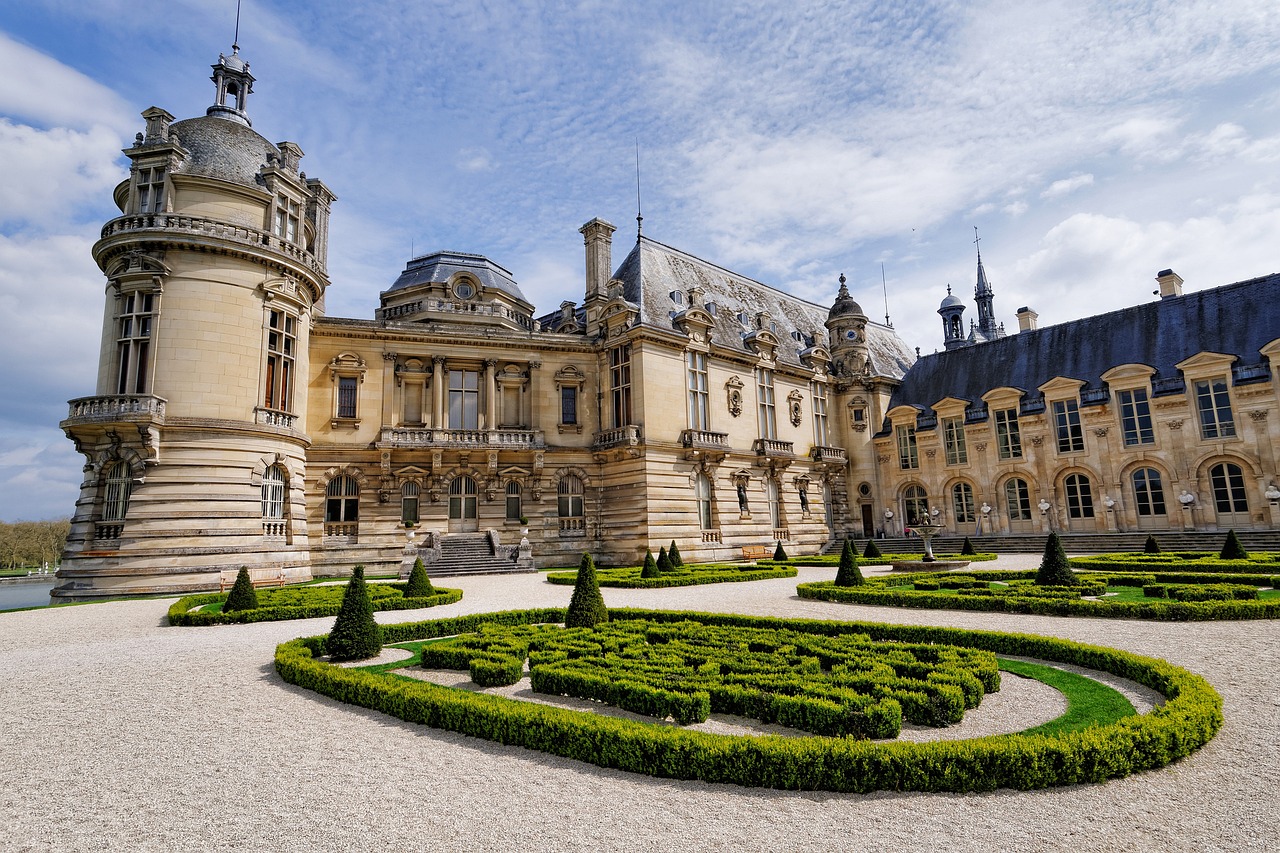
The Château de Chantilly, or Chantilly Castle, is simply stunning and a perfect choice for a one-day trip from Paris. I was amazed by its classic architecture and the majestic gardens – ideal for leisurely strolls and photos. On top of that, the castle is the birthplace of the famous Chantilly cream, and don’t miss the Horse Museum, which is fascinating and enjoyable for visitors of all ages.
Our blogs provide complete information about each country and city to enhance your experience. If you'd like to go directly to the information about the Château de Chantilly, click here or choose one of the options in the list below.
What you'll find in this post:
How to Get to the Castle?
The Château de Chantilly is located just 50 km north of Paris, making it an ideal destination for a day trip. The most practical way to get there is to take a train from Gare du Nord, Paris' main train station, to the Chantilly-Gouvieux station. The trip takes about 25 minutes, with tickets starting at 2 euros per person, and trains run frequently, ensuring a smooth and quick journey. If you'd like to buy your train ticket online, you can use this website here!
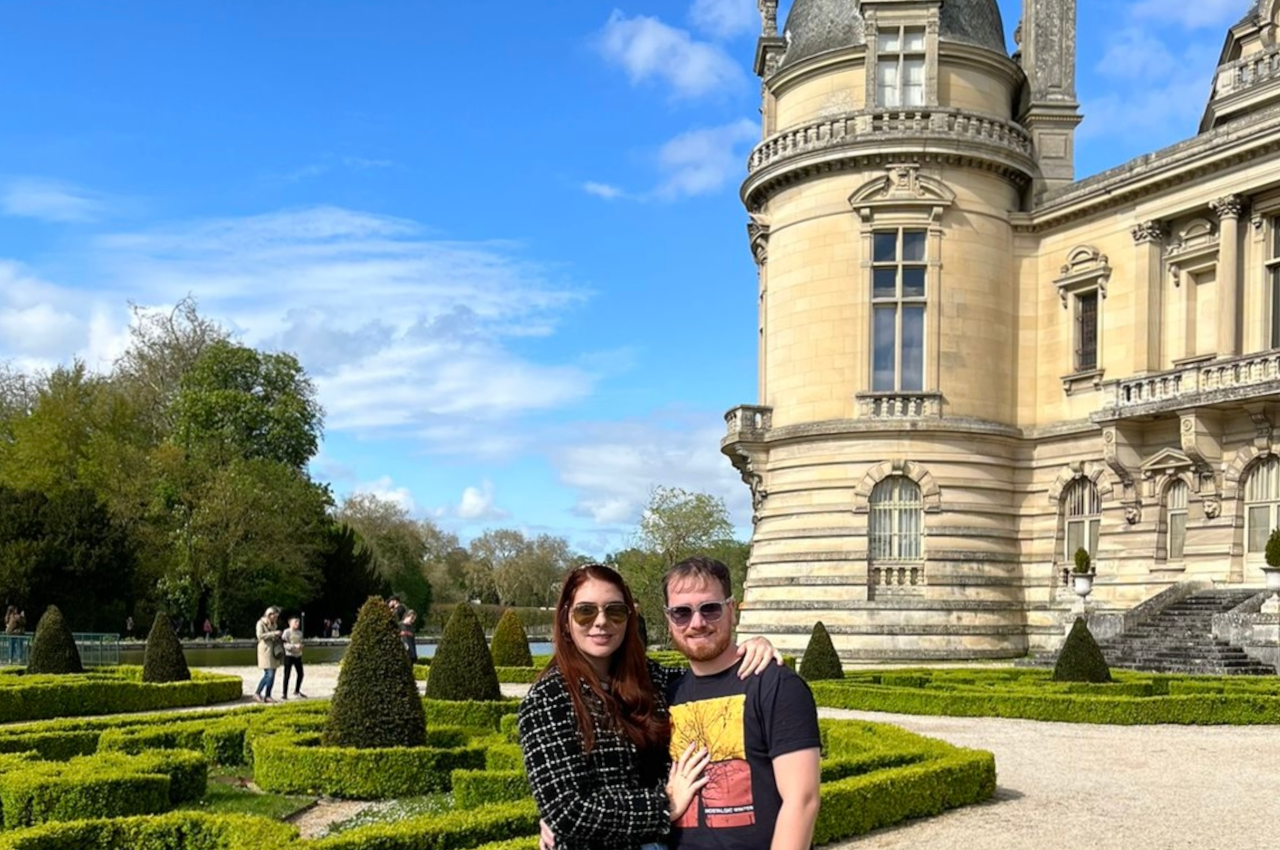
Once you arrive at the Chantilly-Gouvieux station, you can choose to walk to the castle, which takes about 30 minutes, or take a local bus that will take you directly to the castle. On the way, you'll have the chance to explore the town of Chantilly, which retains a provincial charm, with quiet streets and charming landscapes. Along the way, there's a beautiful park and an open-air market where you can shop or simply enjoy the surroundings. The black-and-white coat I'm wearing in the photo below was even bought at that market.
How Much Does It Cost to Enter?
Prices for visiting the Château de Chantilly can vary depending on the time of year and the type of visit you wish to make. The ticket price starts from 18 euros per adult and may or may not include all attractions. Buy your ticket for the Château de Chantilly here.
The History of Château de Chantilly
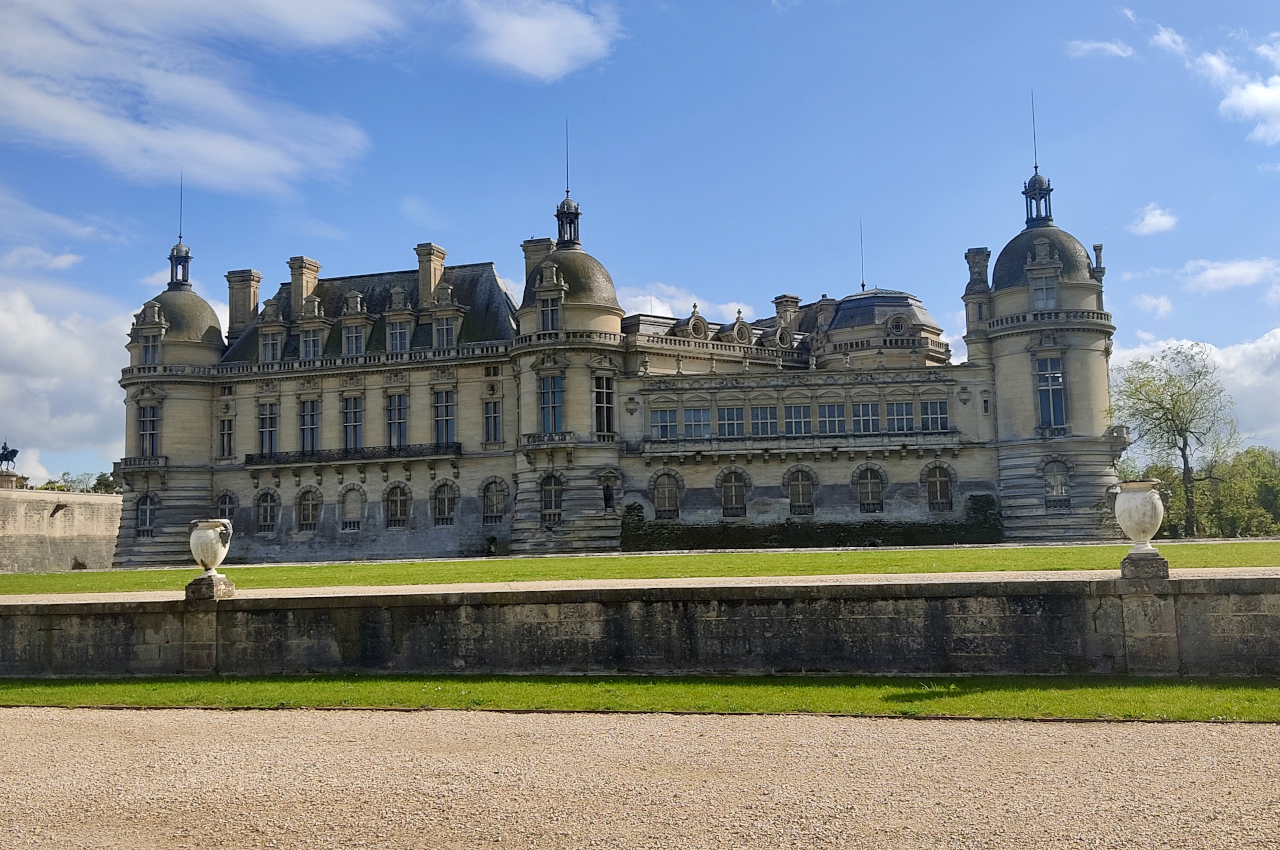
The Château de Chantilly has a fascinating history dating back to the 15th century. Originally built by Louis de Bourbon, the castle was expanded and restored over the centuries, passing from generation to generation until it reached the Condé family, one of the most influential noble houses in France. During the reign of Louis XIV, the castle was the site of several royal visits, including a historic visit from the Sun King himself, who was impressed by the location and the hospitality of the Condé family.
The castle was also the venue for important historical gatherings, such as royal banquets and court celebrations. The property suffered damage during the French Revolution but was restored in the 19th century by Prince Henri d'Orléans, who transformed it into an even more magnificent residence. One of the landmarks of this restoration was the renovation of the stables, which are considered some of the largest and most grandiose in the world, and today house the famous Horse Museum.
The castle remained a private residence until the 20th century, when it was opened to the public, and since then it has continued to be one of France's main tourist attractions, with its stunning architecture, art collections, and beautiful gardens.
What to Do at Château de Chantilly?
The Château de Chantilly offers a variety of attractions for all tastes and can be easily divided into three main areas:
- The Stables: The Grand Stables of the castle are one of the largest and most impressive equestrian facilities in the world. Built in the 18th century, they house not only horses but also a rich collection of art related to the equestrian world, which can be explored at the Horse Museum. The museum exhibits more than 200 pieces, including sculptures, paintings, and other historical objects, as well as temporary exhibitions that highlight the importance of horses in French culture.
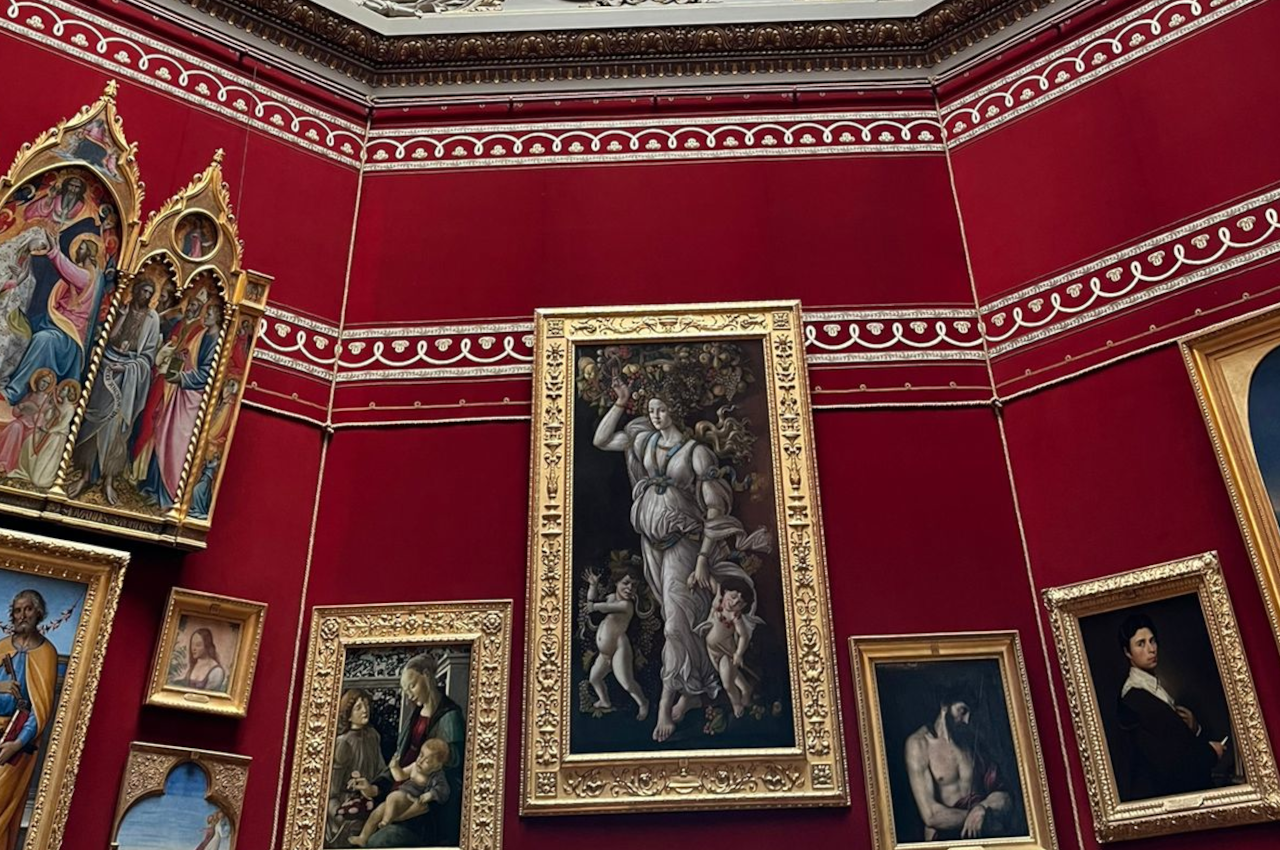
- The Castle and the Condé Museum: The castle itself is a true masterpiece, with its opulent rooms and an extensive collection of classical art. The Condé Museum features an impressive collection of paintings and furniture belonging to the Condé family, as well as historical artifacts and personal items from the nobility. The visit to the castle rooms offers a unique immersion in the history of the French monarchy.
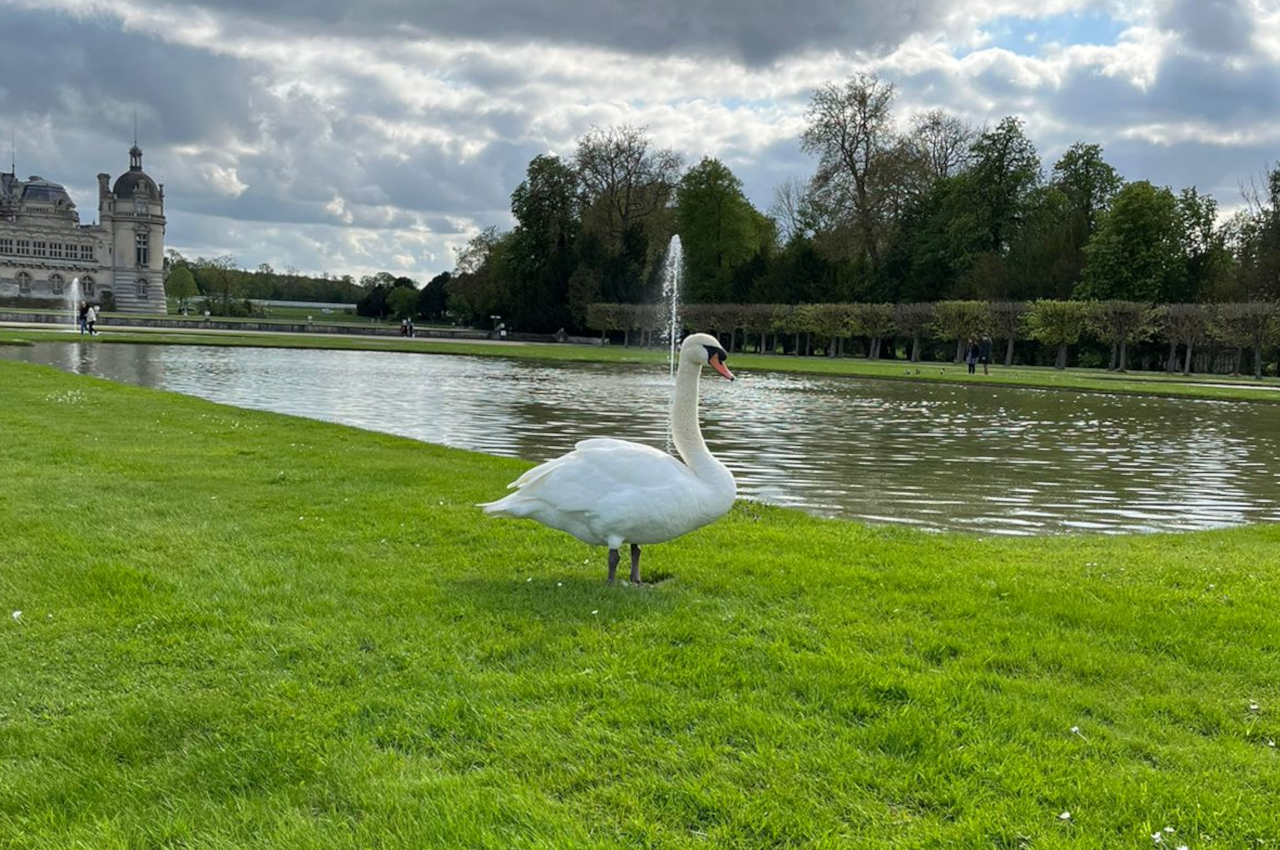
- The Gardens: The gardens of the Château de Chantilly are another important highlight. They include the French garden designed by Le Nôtre in the 17th century, showcasing the symmetry and grandeur typical of the Baroque style. Additionally, the castle features an Anglo-Chinese garden from the 18th century and a English garden from the 19th century, offering a variety of landscapes, with winding paths, lakes, and wooded areas. The large artificial lake surrounding the castle is perfect for a peaceful walk.
The Origin of Chantilly
The true star of the Château de Chantilly is the famous chantilly cream, which, according to tradition, was invented by the chef François Vatel. Vatel, who worked for the Prince of Condé in the 17th century, created the whipped cream that became known as chantilly during a grand banquet. It is said that he had the idea to add sugar and vanilla to fresh cream, creating an incredibly light and sweet dessert that delighted the guests of the court.
Today, you can taste the real chantilly in a restaurant around the castle, making it an unmissable experience. They serve chantilly with waffles, and it's absolutely delicious!

Is It Worth Visiting the Castle?
If, after reading this article, you still haven't figured out the answer, let me tell you: it's definitely yes! The Château de Chantilly lets you step into another era, experience unique works of art, and immerse yourself in fascinating history. It is an excellent trip to see the swans and taste the best chantilly of your life. It's not just a visit to a castle, but a true immersion into the cultural heritage and history of France.
Our recommended partners
These are companies and services that we use or recommend to make your trip easier. By booking through our links, you support Feitos para Viajar at no extra cost.
Accommodation for your trip
Find hotels, apartments and accommodations for every travel style and budget.
Tours and experiences
Book tours, tickets and unforgettable experiences in the destinations you visit.
Internet while traveling
Stay connected with an international eSIM to use maps, translation and apps without relying on Wi-Fi.
International payments and exchange
Save money abroad with an international account and competitive exchange rates.
Travel insurance
Travel with peace of mind with coverage for medical emergencies and unexpected situations.
Train and bus tickets
Compare and book train and bus tickets across Europe in one simple platform.

Written by
Feitos para Viajar
We're Fernanda and Vinicius, travel content creators since 2021. As software engineers living in Germany, we share real travel experiences to help you discover both iconic destinations and hidden gems.
Gostou das nossas dicas? Então compartilhe este blog com seus amigos e siga-nos para mais sugestões de viagem! Estamos aqui para ajudar você a explorar o mundo com confiança e planejamento.


