



Disneyland Paris is one of the most visited destinations in Europe and the most famous theme park on the continent. Located just outside Paris, it’s a magical trip for both adults and children. If you're planning a visit to the French capital, adding Disney to your itinerary can be a great idea—and this guide will help you include it in a practical and stress-free way.
Our blog posts offer complete information about each country and city to make your experience even richer. If you want to jump straight to the itinerary, click here or choose one of the sections in the list below.
What you'll find in this post:
Where is Disney Paris located
Disneyland Paris is located in Marne-la-Vallée, about 35 km (22 miles) from central Paris. Despite the name, the complex is outside the city, in a planned area that includes two parks, hotels, restaurants, and a train station.
The Marne-la-Vallée – Chessy station is right at the entrance of the parks, making it very convenient for those arriving by train. The location was chosen for its easy transportation access and the space needed for the Disney infrastructure.

How to get to Disney Paris
The easiest and most affordable way is to take the RER A train to Marne-la-Vallée – Chessy. The trip takes about 35 to 40 minutes from central Paris stations like Châtelet – Les Halles or Nation.
Besides the train, there are options such as shuttle, bus, and car, but the RER A is the most practical and fastest option for most visitors. Since 2025, all zones have a flat fare of €2.50, including the trip to Disney. So a round-trip costs €5 per person. You can buy the ticket directly from the station machines; it's called Ticket t+.


How much do Disney tickets cost?
The Disney Paris complex includes two main parks: the Disneyland Park, filled with classic magic and the iconic Sleeping Beauty Castle, and the Walt Disney Studios, offering more modern attractions, live shows, and interactive experiences.
You can buy tickets for just one park or choose a combo ticket that gives access to both parks on the same day. For first-time visitors, we recommend focusing on the Disneyland Park since it features the most iconic attractions. Visiting both parks in one day is only worth it during low season (like February and March) when you can arrive early and make the most of your time.
Prices vary depending on the time of year, age, and type of ticket, so it’s worth researching and booking in advance to avoid lines and get better deals.
Just so you know, when we visited in May and booked in advance for one park only, the ticket cost around €83 per person.
You can buy tickets directly from these official websites:
- Buy your Disneyland Paris ticket on the official Disney website
- Buy your Disneyland Paris ticket on GetYourGuide
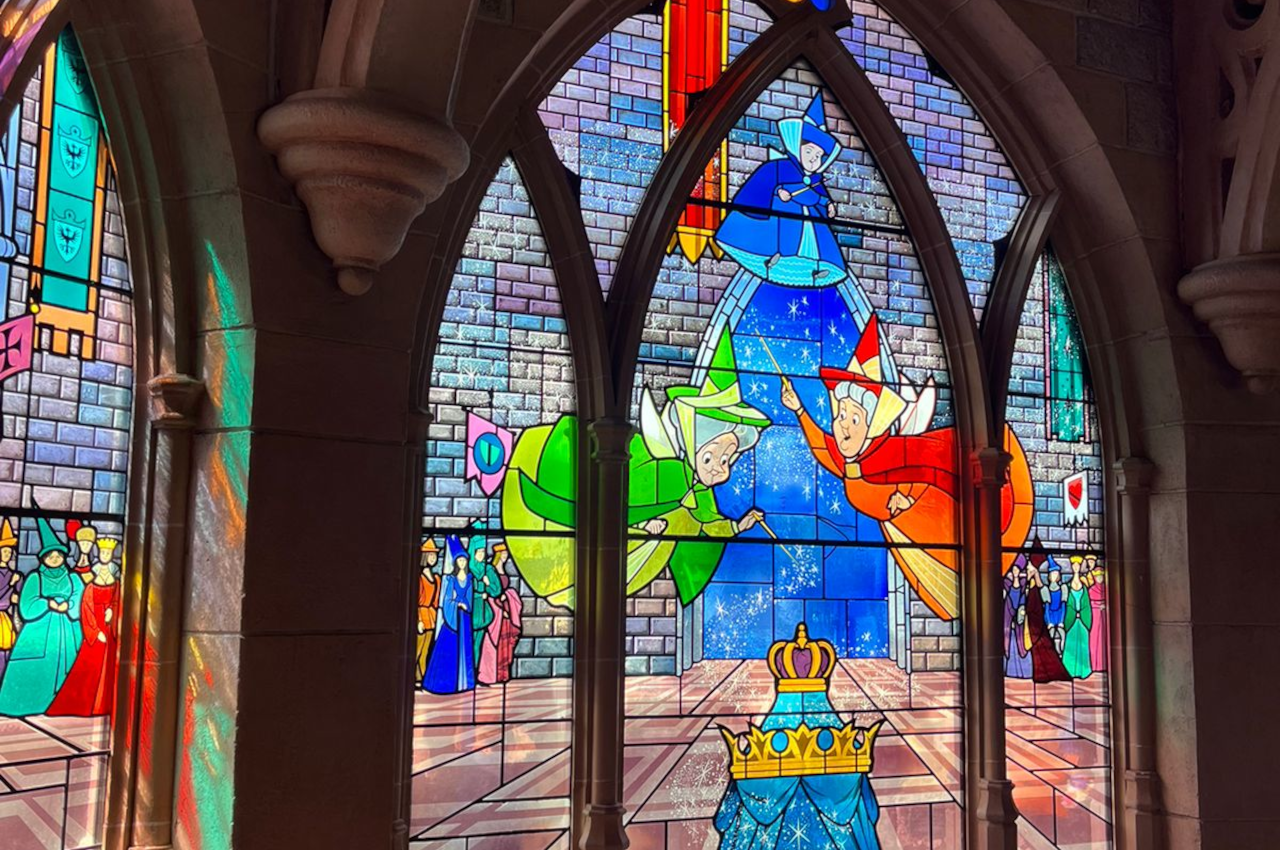
Official Disneyland Paris App
Download the Disneyland Paris app before your visit. It offers an interactive park map, show and parade schedules, restaurant and shop locations, and real-time wait times for attractions. You can also order food from your phone and schedule character meet-and-greets. Using the app helps organize your day and avoid unnecessary lines, making the most of every moment.
The app also sends notifications about special events, schedule changes, and important announcements, which is very helpful to stay updated during your visit.
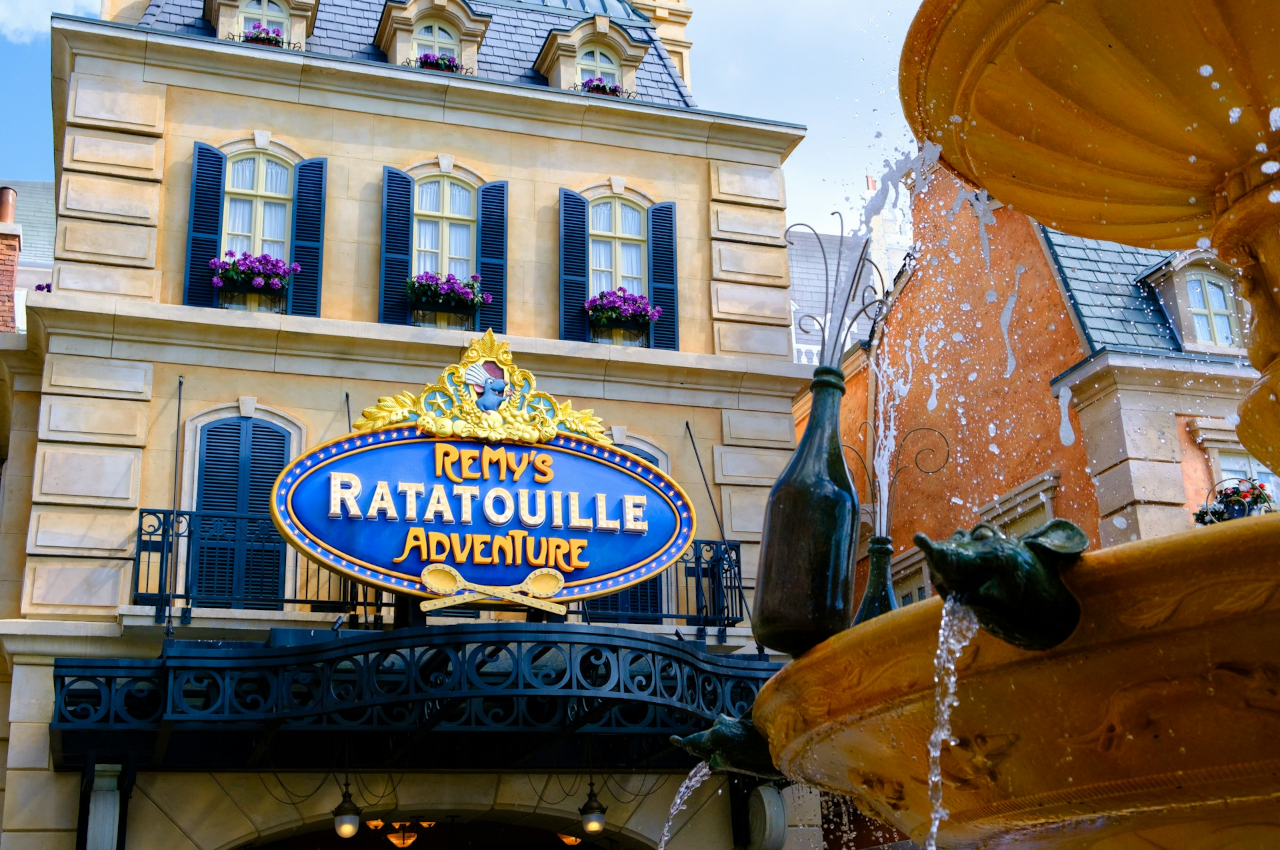
Shows, Parade, and Fireworks
At the end of the day, the Disneyland Park hosts two unmissable events: the Disney Stars on Parade, a charming parade with floats, classic characters, engaging music, and lots of interaction; and the nighttime show at the castle, a true celebration of Disney magic. Featuring movie projections, lights, fireworks, and a moving soundtrack, the show takes place in front of the Sleeping Beauty Castle and is, for many visitors, the highlight of the day.
These events usually follow fixed schedules but may vary depending on the season or weather conditions. That’s why it’s essential to download the official Disneyland Paris app before your visit. With it, you can check the real-time schedules for parades and shows, view the park map, see wait times, find nearby restaurants, and more — helping you enjoy every minute in the park to the fullest.

Frequently Asked Questions
- How much time do I need to visit Disneyland Paris? Ideally, set aside at least one day for each park. If you only have one day, prioritize Disneyland Park, which has the most iconic attractions.
- Do I need to speak French? No. All attractions offer instructions in English, and staff usually speak English and often Spanish as well, making it easy for international visitors.
- Can I bring food? Officially, large meals are not allowed, but small snacks and water bottles are permitted, which can help you save money during your visit.
- Is it worth it for adults without children? Absolutely! Disneyland Paris is magical for all ages, offering incredible shows, themed restaurants, ambient music, and an atmosphere that enchants every visitor, regardless of age.
- Is there parking for those driving? Yes, the complex offers paid parking near the park entrances. It’s a practical option if you prefer to drive, but consider the cost and availability, especially during high season. Click here for parking rates.
- What are the cheapest months to visit? Off-season months like February, March, and November tend to be less crowded with milder weather, making for a more pleasant visit with shorter lines.

Visiting Disneyland Paris can be one of the most unforgettable experiences of your trip. With good planning, the visit becomes smooth, magical, and hassle-free. Bon voyage!
Our recommended partners
These are companies and services that we use or recommend to make your trip easier. By booking through our links, you support Feitos para Viajar at no extra cost.
Accommodation for your trip
Find hotels, apartments and accommodations for every travel style and budget.
Tours and experiences
Book tours, tickets and unforgettable experiences in the destinations you visit.
Internet while traveling
Stay connected with an international eSIM to use maps, translation and apps without relying on Wi-Fi.
International payments and exchange
Save money abroad with an international account and competitive exchange rates.
Travel insurance
Travel with peace of mind with coverage for medical emergencies and unexpected situations.
Train and bus tickets
Compare and book train and bus tickets across Europe in one simple platform.

Written by
Feitos para Viajar
We're Fernanda and Vinicius, travel content creators since 2021. As software engineers living in Germany, we share real travel experiences to help you discover both iconic destinations and hidden gems.
Gostou das nossas dicas? Então compartilhe este blog com seus amigos e siga-nos para mais sugestões de viagem! Estamos aqui para ajudar você a explorar o mundo com confiança e planejamento.


