Feitos para Viajar

What to do in Berlin: 1, 2, and 3-day itinerary

03/06/202515 minFernanda Savatin
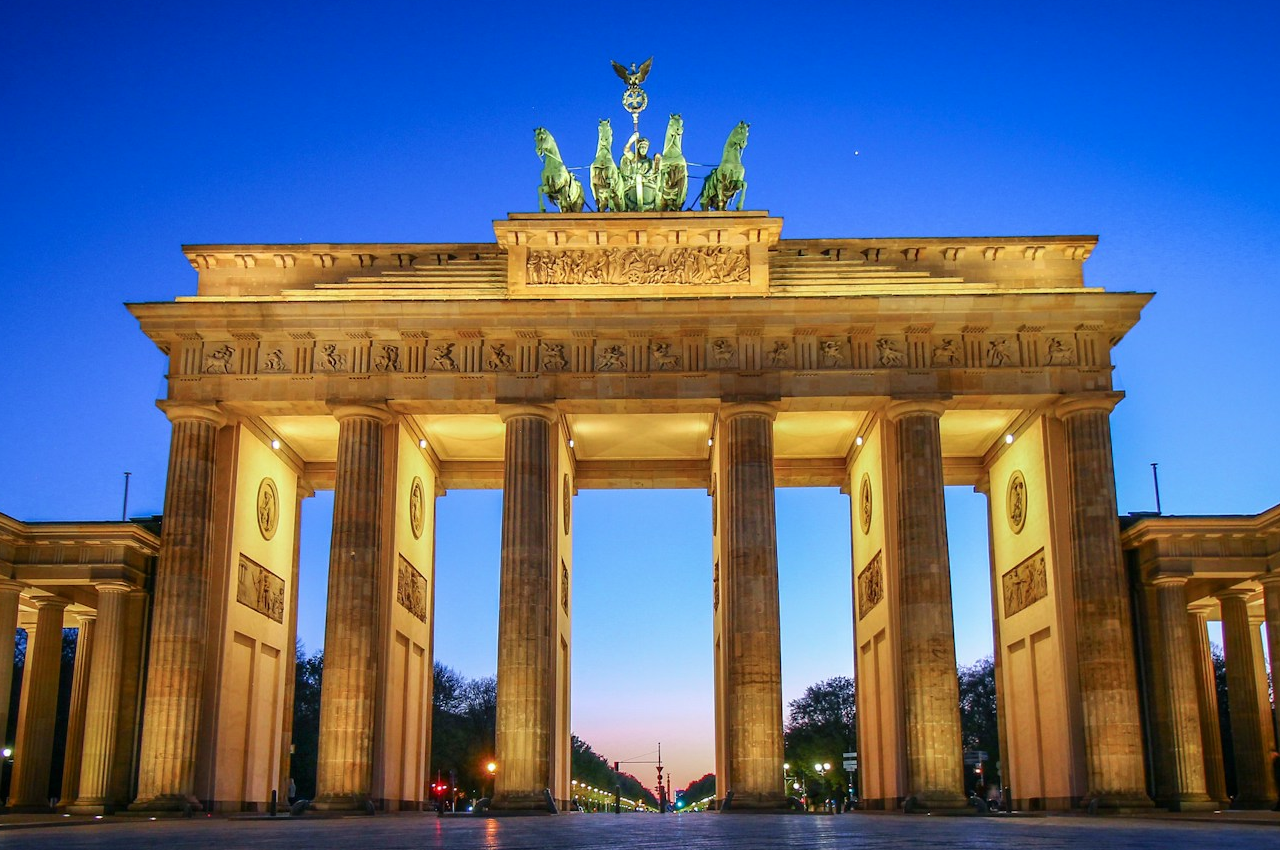
Brandenburg Gate
Brandenburg Gate in Berlin

We visited Berlin on our very first trip to Europe back in 2021, and we have to say that it remains one of our favorite cities! Germany’s capital is vibrant and full of history, marked by contrasts between the old and the modern. Globally recognized for its major role in history, especially in the 20th century, Berlin was at the center of World War II and the Cold War. The city was divided by the Berlin Wall for almost 30 years, a symbol of the ideological tension between the East and the West, until its reunification in 1989. Today, Berlin combines cultural and artistic traditions with innovation and a dynamic atmosphere.

Our blog brings complete and useful information about each country and city to make your trip even better. If you want to go straight to the Berlin itinerary, click here or choose a section from the list below.


Basic Information about Germany

  • Language: Germany's official language is German, which is widely spoken throughout the country. Additionally, English is commonly used in tourist areas and major cities.
  • Capital: Berlin is the capital of Germany and one of the most vibrant cities in Europe, full of history and culture.
  • Currency: The official currency is the Euro (EUR). It is recommended to check updated exchange rates before traveling.
  • Time Zone: Germany’s time zone is GMT+1 (Central European Time), making it easy to adapt for travelers coming from other European countries.
Platz der Republik, Berlin, Germany
Reichstag in Berlin

Documents Required to Enter Europe

  • Passport: To enter Europe, which is part of the Schengen Area, you need a valid passport. The passport must be valid for at least three months beyond your return date. Make sure it is in good condition and has enough pages for the entry stamp.
  • Return ticket: In addition to your passport, you will need to present a return ticket. This is required to prove your intention to leave the country at the end of your stay as a tourist for up to 90 days.
  • Financial Proof: In some cases, you may be asked to provide proof of sufficient financial means to support yourself during the trip. This can include bank statements, proof of income, or other financial documents that demonstrate your ability to cover expenses during your stay.
  • Accommodation Proof: You will need to provide proof of accommodation, such as a hotel reservation, hostel booking, or an invitation letter from a host in Europe. This document ensures that you have a place to stay during your visit.
  • Travel Insurance: Don't forget to purchase travel insurance that covers medical emergencies, accidents, and other unforeseen events. Insurance is mandatory for travelers to the Schengen Area and ensures assistance in case of health issues, accidents, or trip cancellations, providing greater security during your stay. Find your Travel Insurance here!

How to Get to Germany

Germany has an excellent transportation infrastructure, with airports well connected to major European cities. The airports in Frankfurt (FRA), Munich (MUC), and Berlin (BER) are the main entry points. From there, you can take direct trains to several German cities, making travel quick and efficient.

  • Frankfurt Airport (FRA) – The largest airport in Germany and one of the busiest in Europe. It offers direct rail connections to various German cities, including Berlin, Munich, and Hamburg.
  • Munich Airport (MUC) – Located about 40 minutes by train from the center of Munich, it is a great option for those looking to explore southern Germany and the Bavarian Alps.
  • Berlin Airport (BER) – The main airport of the German capital, with easy access to public transportation to the city center and train connections to other parts of the country.
Frankfurt Airport
Frankfurt Airport (FRA)

How to Get Around Berlin: Complete Public Transport Guide

Berlin has one of the most efficient public transportation systems in Europe. The city is well-connected, making it easy to explore the top attractions without needing a car. Public transportation is operated by BVG (Berliner Verkehrsbetriebe) and includes the metro (U-Bahn), urban trains (S-Bahn), trams (tram) and buses. During our trip, we used almost every type of transport, and it was always easy and punctual.

Fares and ticket types

Tickets in Berlin are valid for all public transport options and can be purchased at ticket machines, ticket counters, and through official apps.

Single tickets

  • Short-distance ticket: Ideal for short trips, valid for up to three stops on the S-Bahn or U-Bahn (line changes allowed) or six stops on trams or buses. Price: €2.60.
  • Single ticket: Allows unlimited travel for two hours within the selected zone. Prices: AB €3.80, BC €4.30 and ABC €4.70.

Day and weekly tickets

  • 24-hour ticket: Great for those who plan to rely on public transport all day long. Prices: AB €10.60, BC €11.20 and ABC €12.30.
  • Weekly ticket: Valid for seven consecutive days with unlimited travel. Prices: AB €44.60, BC €45.70 and ABC €52.70.

Important tips for using transport in Berlin

1. Ticket variety: There are several types available, including group tickets. To check all options, visit the official Berlin transport website.

2. Mandatory validation: Always validate your ticket before boarding, as inspections are frequent and fines are high for those without a valid ticket.

3. Understand the zones: Berlin is divided into zones AB and C. Zone C is farther from the center, while AB covers most tourist attractions and major areas of interest.

Public transport map in Berlin
Transport zones map in Berlin (AB and C) – Source: S-Bahn Berlin

Where to Stay in Berlin: Best Options for Every Budget

Berlin offers a huge variety of accommodation options, from luxury hotels to budget hostels and short-term rental apartments.

If you’re looking for luxury and comfort near the historic center, the Hotel Adlon Kempinski, close to the Brandenburg Gate, is an excellent choice. For travelers on a budget, we recommend The Circus Hostel or HappyGoLucky Hotel & Hostel, both comfortable, well-located and with excellent value for money.

To browse more accommodation options in Berlin, check here.

Where to Eat in Berlin: Restaurants and Local Food

Berlin blends tradition and modernity in its gastronomy. There are sophisticated restaurants, food markets and iconic snack bars worth visiting. During our trip, we tried everything from currywurst to Michelin-starred dishes.

  • Restaurant Tim Raue – Awarded with two Michelin stars, serving contemporary Asian cuisine. Perfect for those looking for a high-end and unforgettable gastronomic experience.
  • Zur Letzten Instanz – The oldest restaurant in Berlin, serving traditional German dishes such as eisbein (pork knuckle) and schnitzel. Great for tasting authentic local cuisine.
  • Markthalle Neun – A food market with many options of local and international meals, including street food. We loved tasting dishes from different stalls and enjoying the lively atmosphere.
  • Curry 36 – One of the most famous takeaway spots in Berlin, known for its currywurst, a typical Berlin dish. Don’t miss it!
  • House of Small Wonder – A charming and modern café, ideal for breakfast or brunch. It combines Japanese and European influences with a cozy and photogenic setting.
Curry36
House specialty at Curry 36 – Currywurst (sausage with curry-based sauce and fries)

Complete Berlin itinerary for up to 3 days

In this itinerary for up to 3 days in Berlin, we will show you the main attractions of the city and how to make the most of your visit. When we were in Berlin, we stayed for 5 full days, which allowed us to explore the city at a relaxed pace. Since it was Christmas season, we also enjoyed visiting many Christmas markets. So let’s get to the itinerary that made us fall in love with Berlin!
Day 1 – Berlin’s History and Culture

On this first day, we dive into the rich history of Berlin, visiting emblematic and easily accessible landmarks, and the best part: all the attractions on this day are free!

Day 1: Summary of attractions

  • Reichstag Building
  • Großer Tiergarten
  • Brandenburg Gate
  • Memorial to the Murdered Jews of Europe
  • Potsdamer Platz
  • Checkpoint Charlie
  • Topography of Terror
  1. Reichstag Building

    This impressive historic building is home to the German Parliament. Don’t miss visiting the glass dome, which offers an amazing panoramic view of the city. Entrance is free, but you must book in advance to guarantee access to the dome. Book your ticket here.

    Tip

    TIP: Arrive early at the Reichstag to avoid long lines and enjoy the visit to the dome before it gets crowded. Online reservation for the dome is free and highly recommended to ensure hassle-free entry.

  2. Großer Tiergarten

    After visiting the Reichstag, take a walk through Berlin’s largest park. The Großer Tiergarten is perfect for a relaxing break and for exploring important monuments such as the Bismarck Monument and several statues scattered along the paths. It’s a great place for photos and to experience the green heart of the city.

  3. Brandenburg Gate

    One of Berlin’s most iconic landmarks, the Brandenburg Gate symbolizes the reunification of Germany. Take some photos, enjoy the historic surroundings, and soak in the unique atmosphere of this central city spot.

  4. Memorial to the Murdered Jews of Europe

    Just a few minutes' walk from the Brandenburg Gate, this memorial is a space dedicated to reflection on the Holocaust. Its impactful and minimalist design creates a powerful environment for contemplation and respect. Admission is free.

  5. Potsdamer Platz

    Explore the modern Potsdamer Platz, entirely rebuilt after the fall of the Berlin Wall. Shopping centers, restaurants, cinemas, and entertainment are all located here, making it the perfect area to experience contemporary and dynamic Berlin.

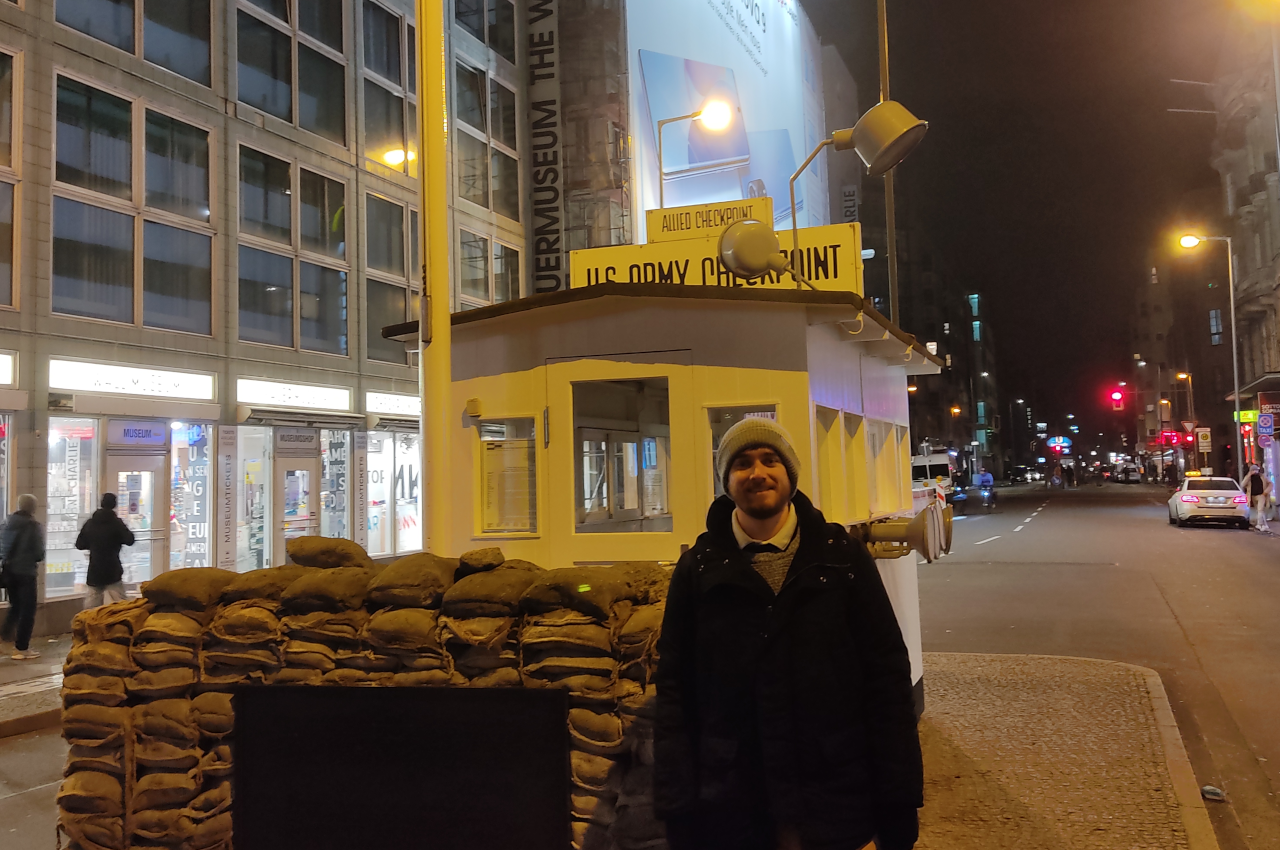
  6. Checkpoint Charlie

    The famous checkpoint that once divided West and East Berlin during the Cold War is today a historic landmark with informative signs and nearby museums. An essential stop to understand the city’s division.

  7. Topography of Terror

    End your day at the Topography of Terror Museum, which documents the Nazi regime and political repression in Berlin. Admission is free, and the exhibits provide detailed insights into Germany’s history during World War II. A must-visit for history lovers.

Checkpoint Charlie
Checkpoint Charlie in Berlin

Day 2 – Art, Culture & Berlin Views

On this day, you will explore a mix of art, culture, and panoramic views, including a few paid attractions to enhance your experience.

Day 2: Summary of attractions

  • Alexanderplatz
  • Berliner Fernsehturm
  • Neptunbrunnen
  • St. Nicholas’ Church
  • Berlin Cathedral
  • East Side Gallery
  1. Alexanderplatz

    We started the day at Alexanderplatz, one of the busiest and most iconic places in Berlin. It’s amazing to walk around surrounded by shops, cafés, and the city buzz. Make sure to check out the World Time Clock and the Rote Rathaus (Red Town Hall), which is beautiful and full of history. For us, this square was a great spot to feel Berlin’s energy early in the morning. And if you love shopping, you’ll find big stores like Galeria Kaufhof and Primark right there!

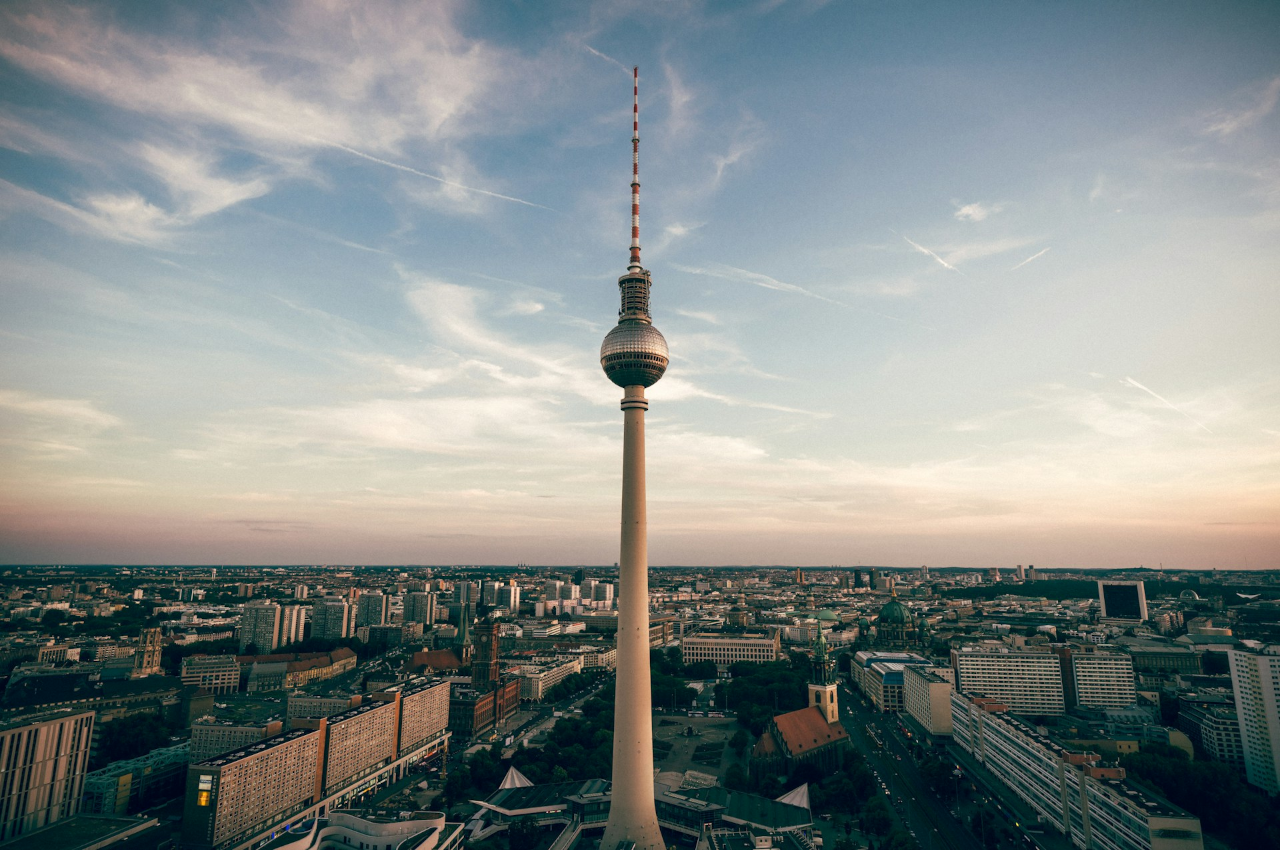
  2. Berliner Fernsehturm

    Next, we headed up the Berliner Fernsehturm (TV Tower) to enjoy a 360° view of the whole city. The experience is unforgettable, especially if you combine it with lunch at the rotating restaurant at the top. It’s one of those memories that stay forever! Tickets start at 28 euros. Buy your ticket here.

    Tip

    TIP: Book your ticket online to avoid lines, especially during summer or holidays. The view from up there is simply breathtaking!

  3. Neptunbrunnen

    Near Alexanderplatz, we stopped to admire Neptunbrunnen, an impressive fountain featuring Neptune, the god of the sea. It’s one of those urban artworks that surprises you and guarantees beautiful photos. A calm spot for a quick break and to appreciate the city’s beauty.

  4. St. Nicholas Church

    We then explored the historic St. Nicholas Church, located in the Nikolaiviertel neighborhood, the medieval heart of Berlin. It is the oldest church in the city, dating back to the 13th century, and filled with fascinating stories. Tickets start at 7 euros. Buy your ticket here.

  5. Berliner Dom

    Next, we visited the impressive Berliner Dom, built between 1894 and 1905 during the reign of Kaiser Wilhelm II in Renaissance and Baroque style, as the main church of the Prussian Protestant Church. Its massive dome and stunning interior are breathtaking, and the cathedral houses the tomb of the Hohenzollern family. It was heavily damaged during World War II, but fully restored after German reunification. Climbing up to the dome offers an incredible panoramic view of Berlin, perfect for photos. Tickets start at 19 euros including audio guide. Buy your ticket here.

  6. East Side Gallery

    We ended the day at the East Side Gallery, a remaining stretch of the Berlin Wall that has been transformed into an open-air art gallery. Each mural tells a story about freedom, politics and the reunification of the city. It's a place that made us reflect on Berlin’s history and transformation over the years.
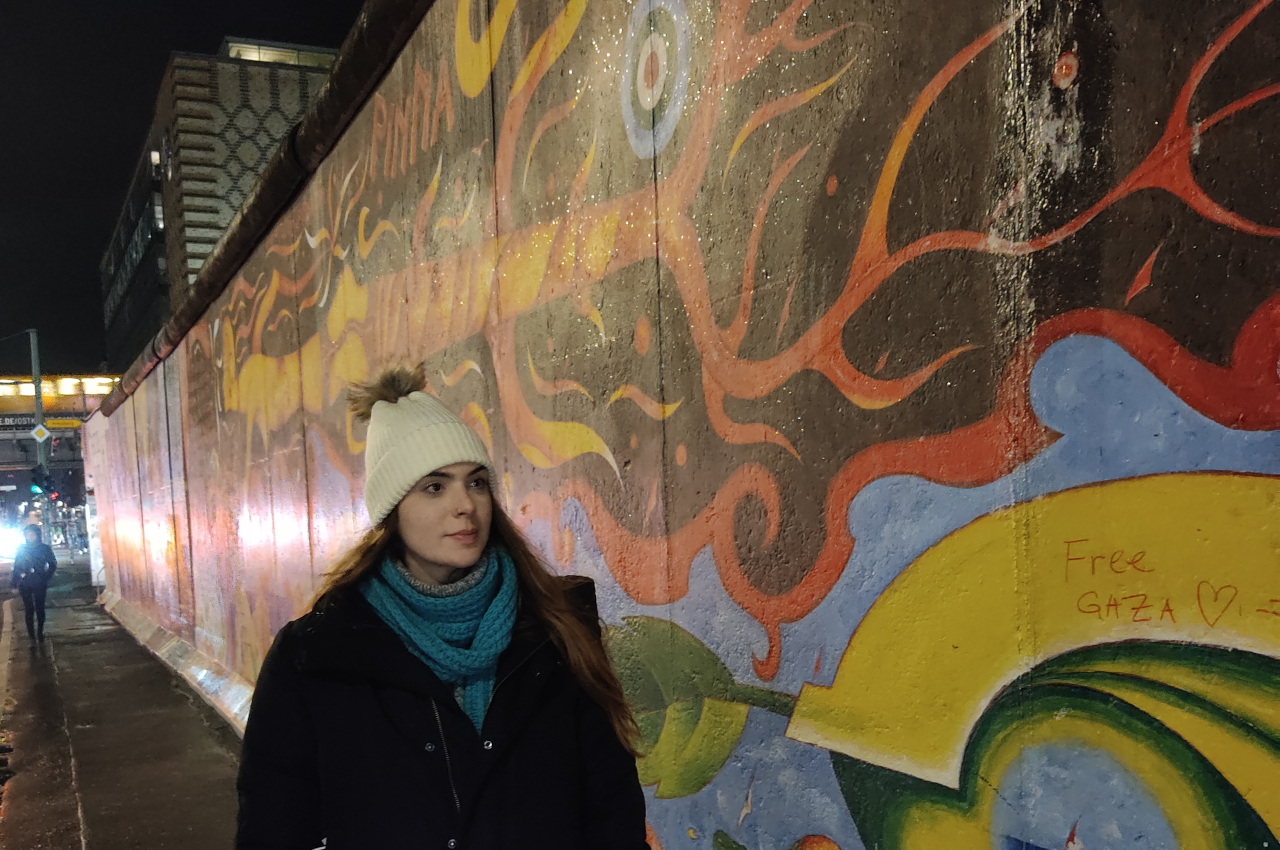
    Tip

    TIP: Don’t miss the most famous mural of the East Side Gallery: "Mein Gott, hilf mir, diese tödliche Liebe zu überleben" (“My God, help me survive this deadly love”), depicting a kiss between Soviet leader Leonid Brezhnev and German leader Erich Honecker. Painted by Dmitri Vrubel in 1990, this artwork has become one of the most visited and photographed spots in the gallery.

East Side Gallery
East Side Gallery in Berlin

Day 3 – Shopping, Museums & Culture

This day is dedicated to shopping, museum exploration and cultural immersion. If you didn’t have time to visit something on Day 1 or Day 2, this is the perfect moment to fit it in and fully enjoy the Museum Island.

Day 3: Highlights of the attractions

  • Friedrichstraße
  • Dussmann Kulturkaufhaus
  • Galeries Lafayette
  • Museum Island
  1. Friedrichstraße

    We started the morning exploring the elegant Friedrichstraße, one of Berlin’s most iconic shopping streets. Walking there feels like a cultural stroll: luxury stores, art galleries, charming cafés and historic buildings all around. It was the perfect place for us to enjoy the city’s modern rhythm and, of course, do some shopping if you’re into fashion and design.

  2. Dussmann Kulturkaufhaus

    Next, we visited the Dussmann Kulturkaufhaus, a giant bookstore that also serves as a cultural hub. With an extensive selection of books, vinyls, CDs and art items, it’s paradise for literature and culture lovers. We spent quite some time browsing the travel and design sections and ended up finding some cool local gems.

  3. Galeries Lafayette

    Then we headed to the famous Galeries Lafayette, the French department store that brought an elegant and international touch to Berlin. Besides fashion and gourmet products, the architecture inside and out is stunning, perfect for photos. It’s a great spot to admire the design, even if you’re not shopping.

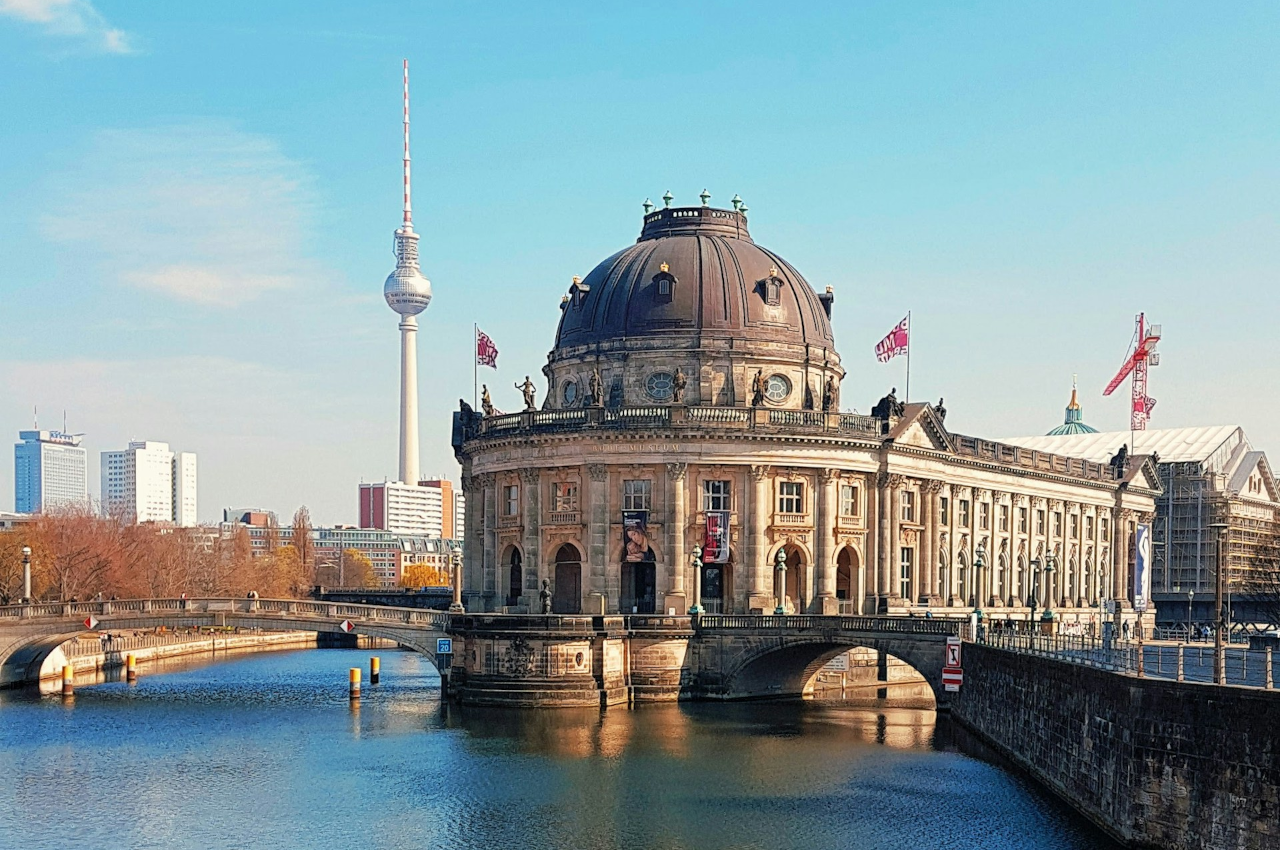
  4. Museum Island

    In the afternoon, we set aside time to explore the iconic Museum Island, a cultural complex that houses five world-renowned museums: Altes Museum, Neues Museum, Bode-Museum, Pergamonmuseum, and Alte Nationalgalerie. Among the highlights, the Pergamonmuseum stands out for its impressive collection of ancient art, while the Neues Museum features exhibits on Prehistory, Ancient History, and Ancient Egypt — including the famous bust of Queen Nefertiti. It is an essential stop for anyone who wants to dive into Berlin’s history and art. You can also purchase a single ticket that grants access to all the museums on the island. Buy your ticket here.

    Tip

    TIP: If you plan to visit other attractions besides Museum Island, check whether the Berlin Museum Pass is a good option. It gives access to many of the city’s main museums and can be a cost-effective choice if you intend to explore more cultural and historical sites.

Bode-Museum
Bode-Museum in Berlin

Plan Your Trip:

INTERNATIONAL CARD: Apply for your card to use abroad

ACCOMMODATION: Book your stay with confidence

TRAVEL INSURANCE: Get a quote and purchase your insurance with a 9% discount

Did you enjoy our tips? Then share this blog with your friends and follow us for more travel suggestions! We're here to help you explore the world with confidence and planning.

Until your next trip!

Want a custom itinerary?

Let us plan your dream trip with a tailor-made itinerary just for you!

Request itinerary

Related Articles