London is one of the most vibrant and cultural cities in the world, with a rich history that blends seamlessly with the dynamism of a modern metropolis. Known for its iconic architecture, cultural diversity, and bustling life, the English capital offers an endless array of attractions. In just one day, you can experience a little bit of everything: historical landmarks, art venues, famous tourist spots, and even local markets.
This itinerary suggests several tourist attractions that offer entry options, but it is not necessary to enter all of them — and you may even choose not to enter any at all, if you prefer. A day in London is truly precious, so consider this itinerary as a list of must-see spots. The goal is to finish the day with the feeling of having explored the city’s key highlights, even if not in-depth.
Our blogs provide complete information about each country and city to make your experience even more fulfilling. If you wish to go directly to the London Itinerary details, click here or choose one of the options from the list below.
What you will find in this post:

Basic Information about England
- Language: England is a multicultural country, with English as the official language. Some regions also have other languages, such as Welsh and Gaelic.
- Capital: London is the capital and is located in the southeastern part of the country.
- Currency: The official currency is the British Pound (GBP), and you can check updated exchange rates before traveling.
- Time zone: The time zone is GMT+0 during standard time, making it easier for travelers from other parts of Europe or Africa to adjust.
Documents to Enter the United Kingdom
- Passport: To enter the United Kingdom, a valid passport is required. It must be valid for at least three months beyond the planned return date. Ensure it is in good condition and has enough pages for entry stamps.
- Return ticket: In addition to a passport, you must present a return ticket. This is required to prove your intention to leave the country at the end of your stay as a tourist, typically up to 90 days.
- Proof of financial support: In some cases, you may be asked to provide proof of sufficient funds to support yourself during your stay. This may include bank statements, proof of income, or other financial documents showing you can cover your expenses while in the UK.
- Proof of accommodation: You will need to provide proof of accommodation, such as a hotel booking, hostel reservation, or an invitation letter from a host in the UK. This document ensures you have a place to stay during your visit.
- Travel insurance: Don't forget to get travel insurance that covers medical emergencies, accidents, and other unforeseen events. Insurance is recommended for travelers to the UK, ensuring assistance in case of health issues, accidents, or trip cancellations. Find your Travel Insurance here!
In addition to these documents, you will need the ETA, which is an Electronic Travel Authorization (ETA), a new requirement implemented by the UK to enhance border control. Brazilians and citizens of other European countries will need to obtain an ETA to visit the UK.
Key points about the ETA:
- Who needs to apply: Travelers including tourists, business visitors, short-term course students, and transit passengers.
- Validity: The ETA is valid for two years or until the expiration of the associated passport, whichever comes first. During this period, multiple visits to the UK are allowed.
- Cost: The cost of the ETA is 10 British pounds (approximately 12 euros).
- How to apply: The application must be made online through the official UK government website or via the mobile app "UK ETA app". A valid biometric passport, travel details, an email address, and a credit or debit card for payment are required.
For more information, visit the official UK government website: gov.uk
How to Get to England
England has well-connected airports with major European cities. The airports in London (LHR, LGW, STN) are the main entry points. From there, you can take trains to other parts of the UK, including cities like Manchester, Birmingham, and Edinburgh. Train travel is fast, efficient, and offers scenic views of the English countryside.
- London Heathrow Airport - About 1 hour west of central London, it is one of the busiest and most popular international airports.
- London Gatwick Airport - Located south of London, about 30 minutes from the city center by train, it also offers a wide range of international flights.
- London Stansted Airport - About 1 hour northeast of central London, primarily used by low-cost airlines and short-haul flights.
How to Get Around in London
London has one of the most efficient and extensive public transportation systems in the world, offering various options to move around the city quickly and conveniently.
Public Transportation
London’s public transport is operated by Transport for London (TfL) and includes the London Underground (Tube), suburban trains (Overground and National Rail), buses, trams (Tramlink), and riverboats on the Thames (Thames Clippers).
Fares and Tickets for Zone 1-2 (Central Area)
- Single Ticket (Tube): £2.80 with Oyster/contactless.
- Daily Cap: £8.90 – After reaching this amount, additional trips are free for the rest of the day.
More Affordable Option
- Buses: The single fare is £1.75, including unlimited trips within 1 hour using Oyster/contactless.
- Daily Bus Cap: £5.25 – Ideal for those looking to save money without using the Tube. This cap ensures that no matter how many bus rides you take, the maximum daily charge is £5.25.
Tips:
- Use an Oyster Card or a contactless debit/credit card to pay reduced fares.
- The Tube is the fastest way to get around, but it can be crowded during peak hours (7 AM-9 AM and 5 PM-7 PM).
- Buses are a cheaper alternative and allow you to see the city while traveling.
For more information, visit the official TfL website
Where to Stay in London
London offers a wide range of accommodation options for all budgets. From luxury hotels in central areas to more affordable options in neighborhoods like Camden or Notting Hill. For those seeking a more sophisticated experience, The Dorchester, near Hyde Park, is an excellent option. For budget travelers, Ibis London Earls Court offers good accommodations at more affordable prices. You can find more options by clicking here.
What to Eat in London
- Fish and Chips - A classic British dish consisting of battered and fried fish served with crispy fries.
Recommended restaurant: Poppies Fish & Chips, one of the most traditional in London. - Full English Breakfast - A hearty breakfast with eggs, bacon, sausages, baked beans, grilled tomatoes, mushrooms, and toast.
Recommended restaurant: The Breakfast Club, famous for its delicious full English breakfast. - Sunday Roast - A traditional British dish served on Sundays, usually consisting of roasted meat, vegetables, potatoes, and gravy.
Recommended restaurant: The Ledbury, an award-winning restaurant serving an excellent Sunday Roast. - Afternoon Tea - A light meal traditionally served in the afternoon, featuring tea, sandwiches, cakes, and scones with cream and jam.
Recommended restaurant: The Ritz, famous for its luxurious afternoon tea.
1-Day Itinerary in London
Discover the best of London with this detailed 1-day itinerary! From its rich history to its vibrant and modern neighborhoods, this guide takes you through the main tourist spots, cultural attractions, and must-have experiences in the British capital. Whether it's your first visit or not, make the most of your stay by exploring iconic landmarks such as Big Ben and the Tower of London.
Summary of Tourist Attractions
- Tower Bridge
- Tower of London
- St. Paul's Cathedral
- Tate Modern
- Trafalgar Square
- Big Ben
- Westminster Abbey
- Buckingham Palace
- London Eye
Main Attractions:
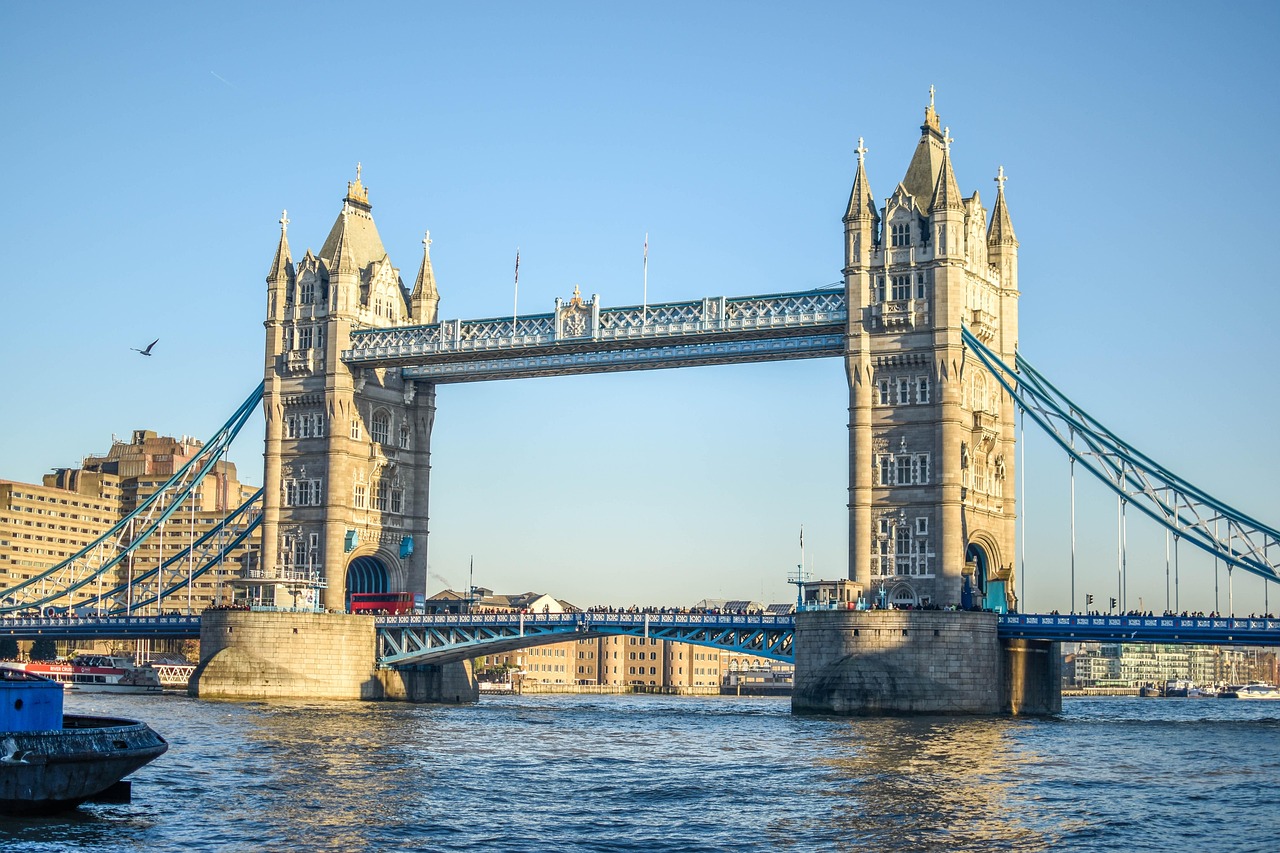
- Tower Bridge: Start your day exploring the iconic Tower Bridge, one of London's most famous bridges. If you want to walk on the upper level, admiring the views of the River Thames, the entrance fee is 16 euros. You can also visit the interior, which features a museum about the bridge's construction. Keep in mind that the lower level of the bridge is freely accessible to both cars and pedestrians. Get your Tower Bridge ticket here
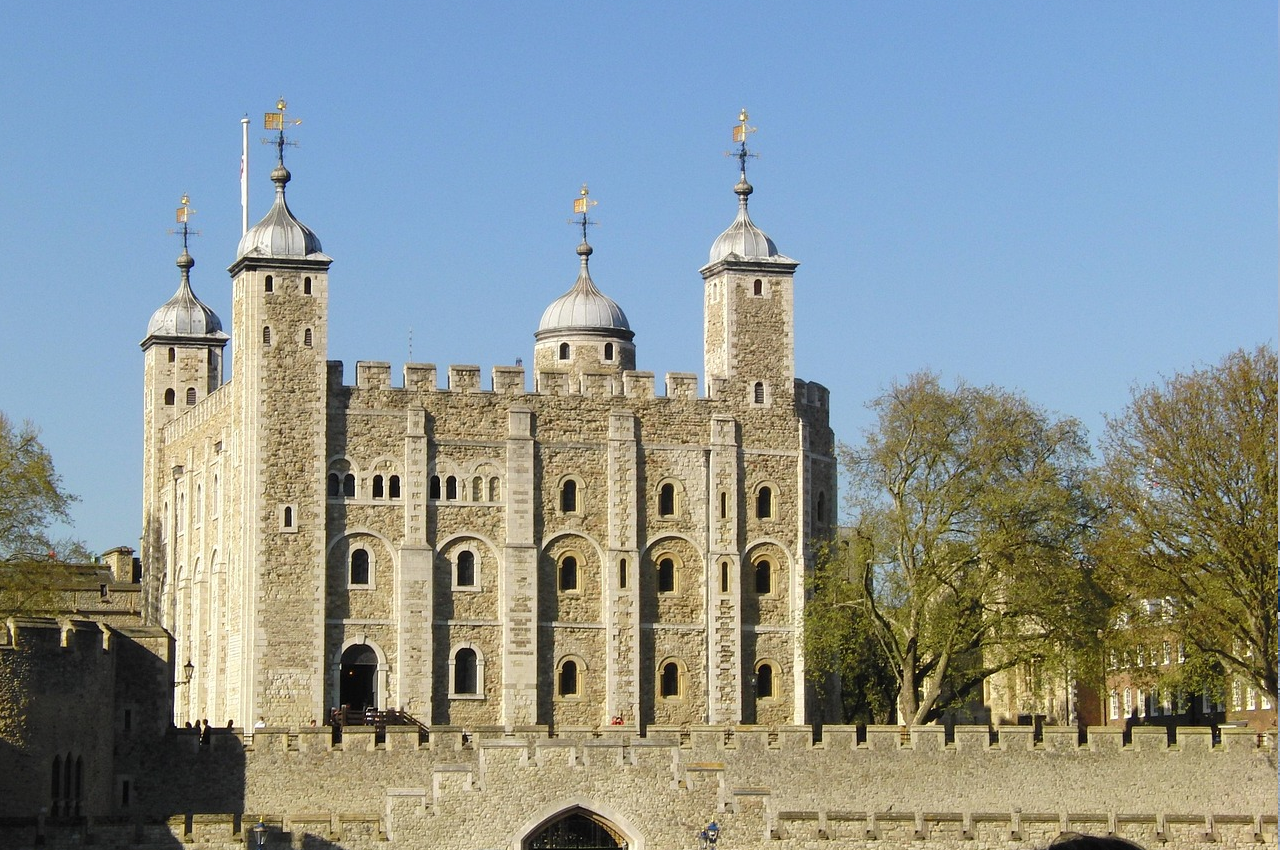
- Tower of London: Next, visit the Tower of London, one of the city's most historic castles and home to the British Crown Jewels. This landmark offers a deep dive into a thousand years of British history, including royal life, myths, and legends. The entrance fee starts at 41 euros. During my visit to London, I opted to explore other tourist attractions and only took photos in front of this one, as the ticket price and visit duration are significant. Get your Tower of London ticket here
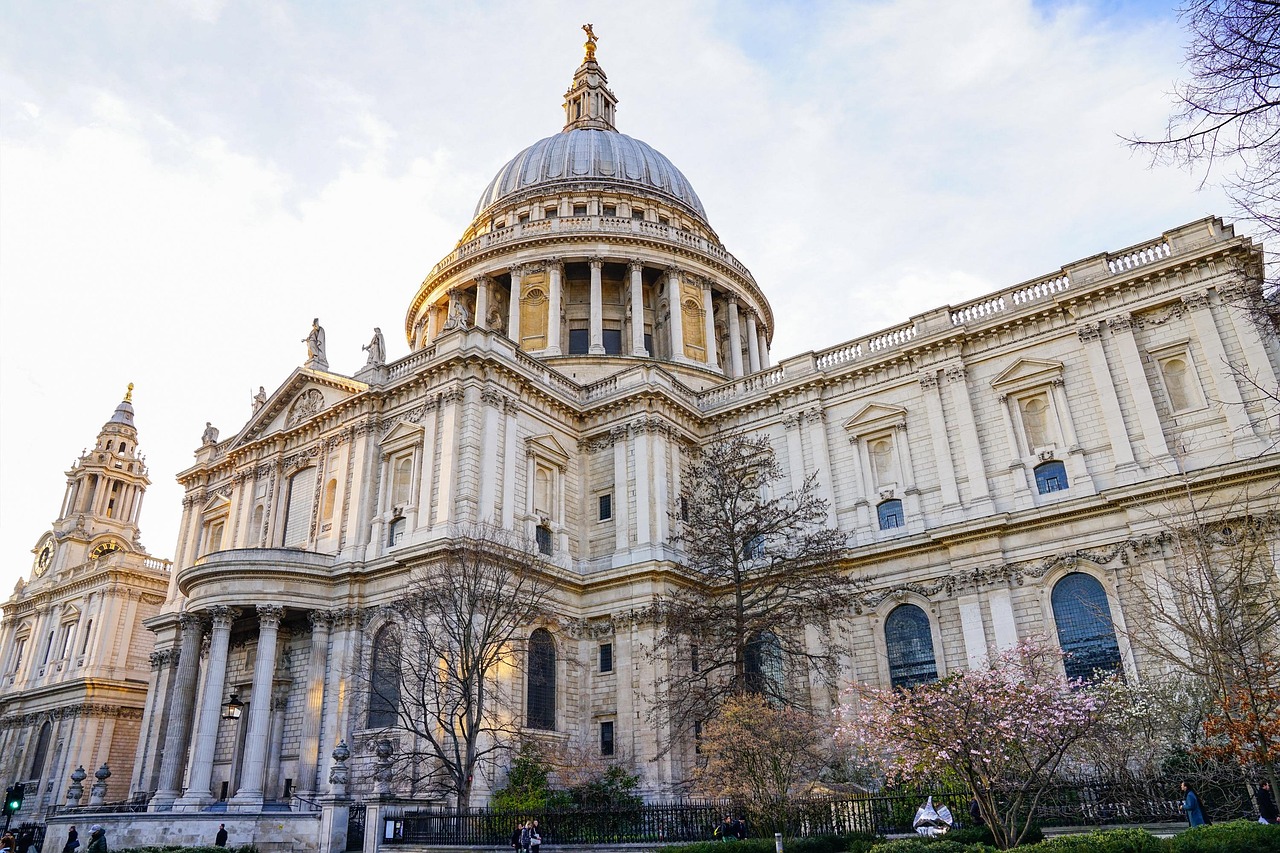
- St. Paul's Cathedral: Walk to St. Paul's Cathedral, one of the most impressive churches in the United Kingdom. The cathedral is famous for its massive dome and stunning architectural details. You can attend religious services, such as morning prayers, Holy Communion, Eucharist, and Evensong, for free. To climb to the top, which offers panoramic views of London, the entrance fee starts at 30 euros. Get your St. Paul's Cathedral ticket here
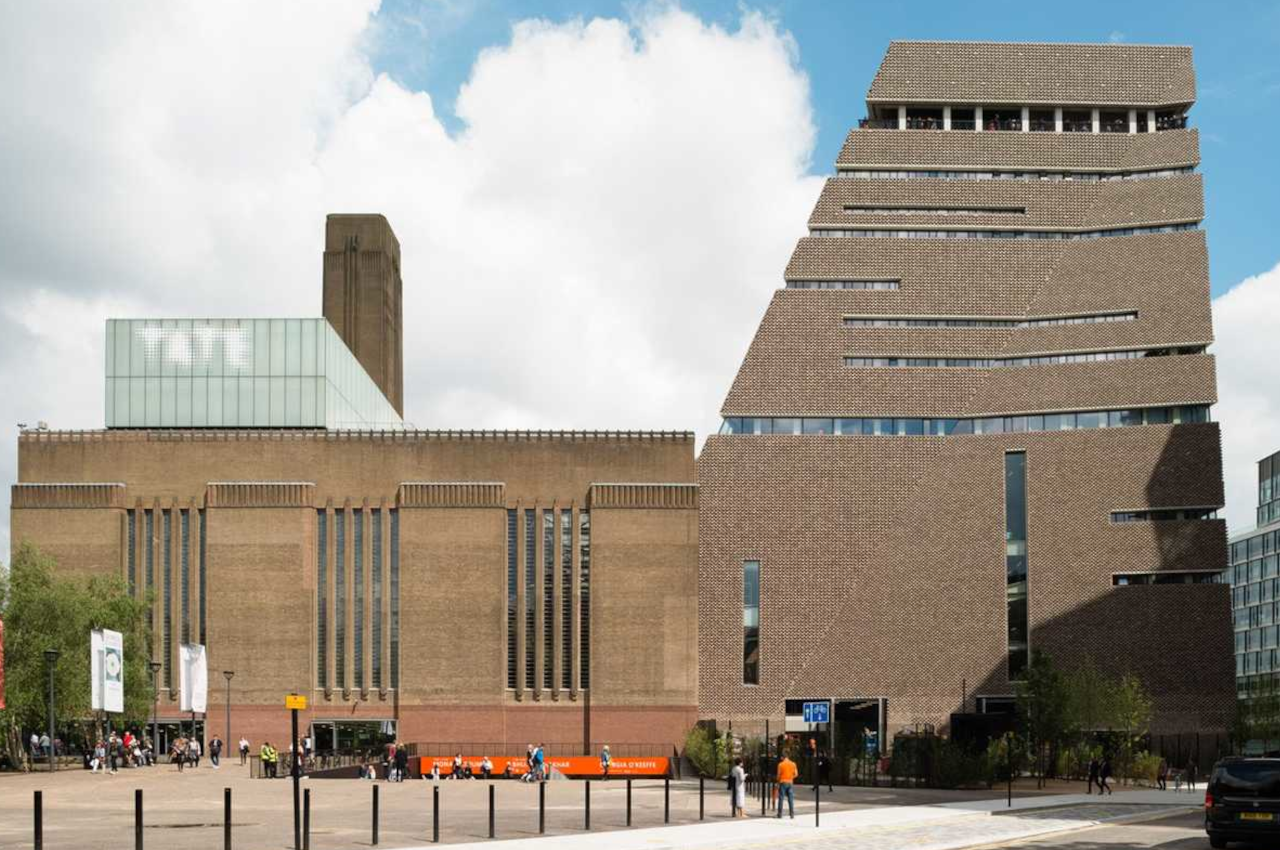
- Tate Modern: Cross the Millennium Bridge and head to the Tate Modern, one of the world's leading modern art museums. Admission is free, except for special exhibitions, and the permanent collection includes works by artists such as Picasso and Rothko.
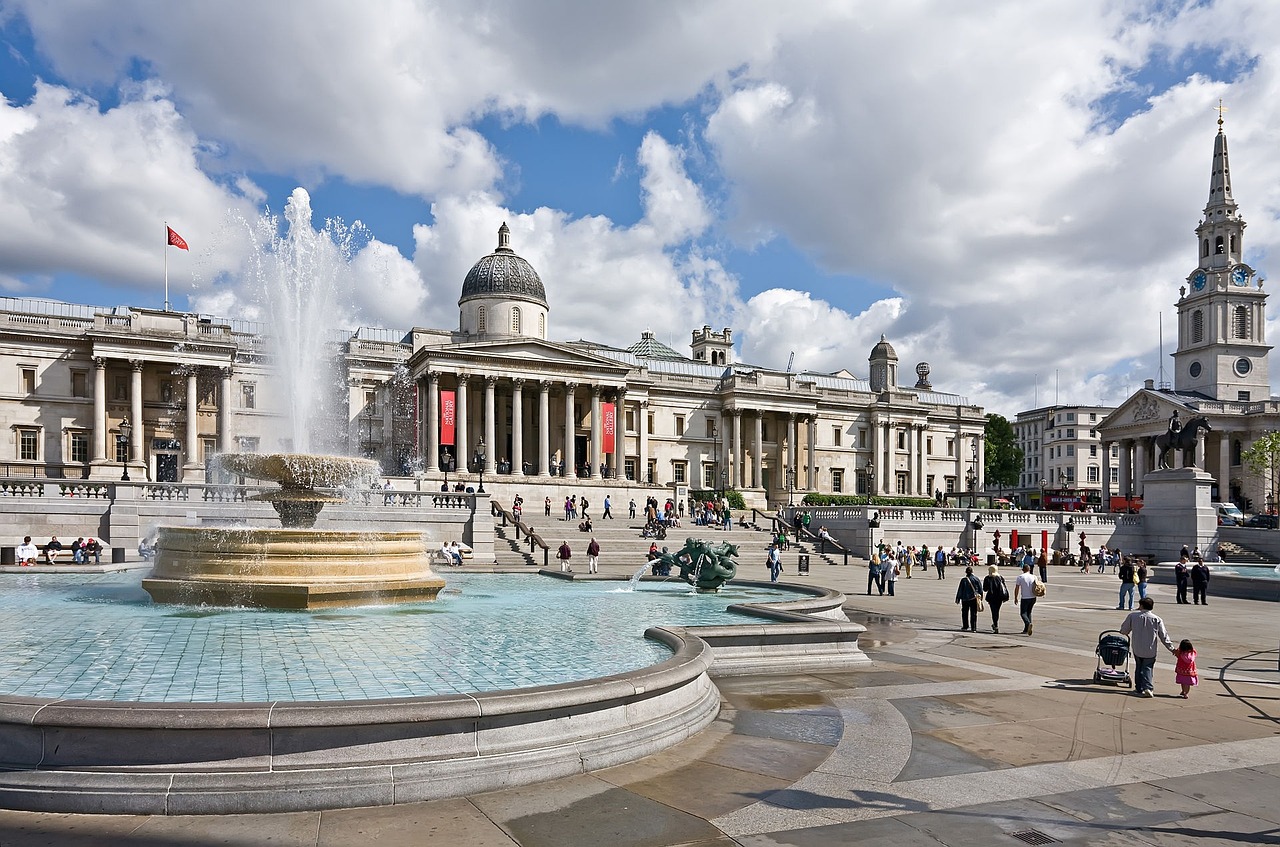
- Trafalgar Square: Continue to Trafalgar Square, a famous square featuring Nelson's Column at its center, surrounded by stone lions and fountains. The square is an ideal spot for photos and is located near the National Gallery.
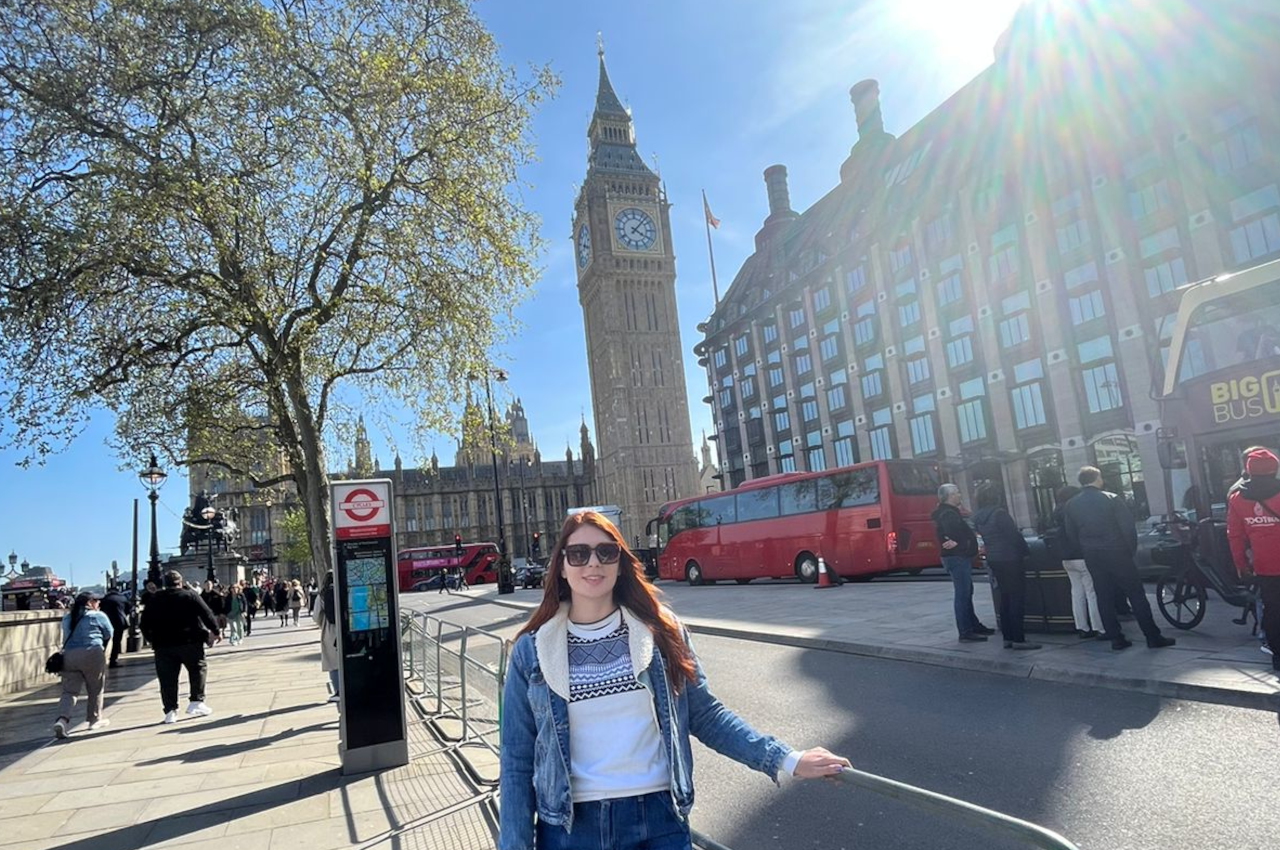
- Big Ben: Big Ben, officially known as the Elizabeth Tower, is one of the most recognizable landmarks in London and the United Kingdom. With its imposing four-faced clock and a height of 96 meters, Big Ben is a symbol of the city and the British parliamentary system. Located at the Palace of Westminster, near the River Thames, the clock was inaugurated in 1859 and is famous for its accuracy. Although the name "Big Ben" originally referred to the great bell inside the tower, it is now commonly used to refer to both the tower and the clock.
- Westminster Abbey: If you have time, stop by Westminster Abbey, where British monarchs are crowned and buried. This is one of the most historic and beautiful buildings in London, filled with architectural details.
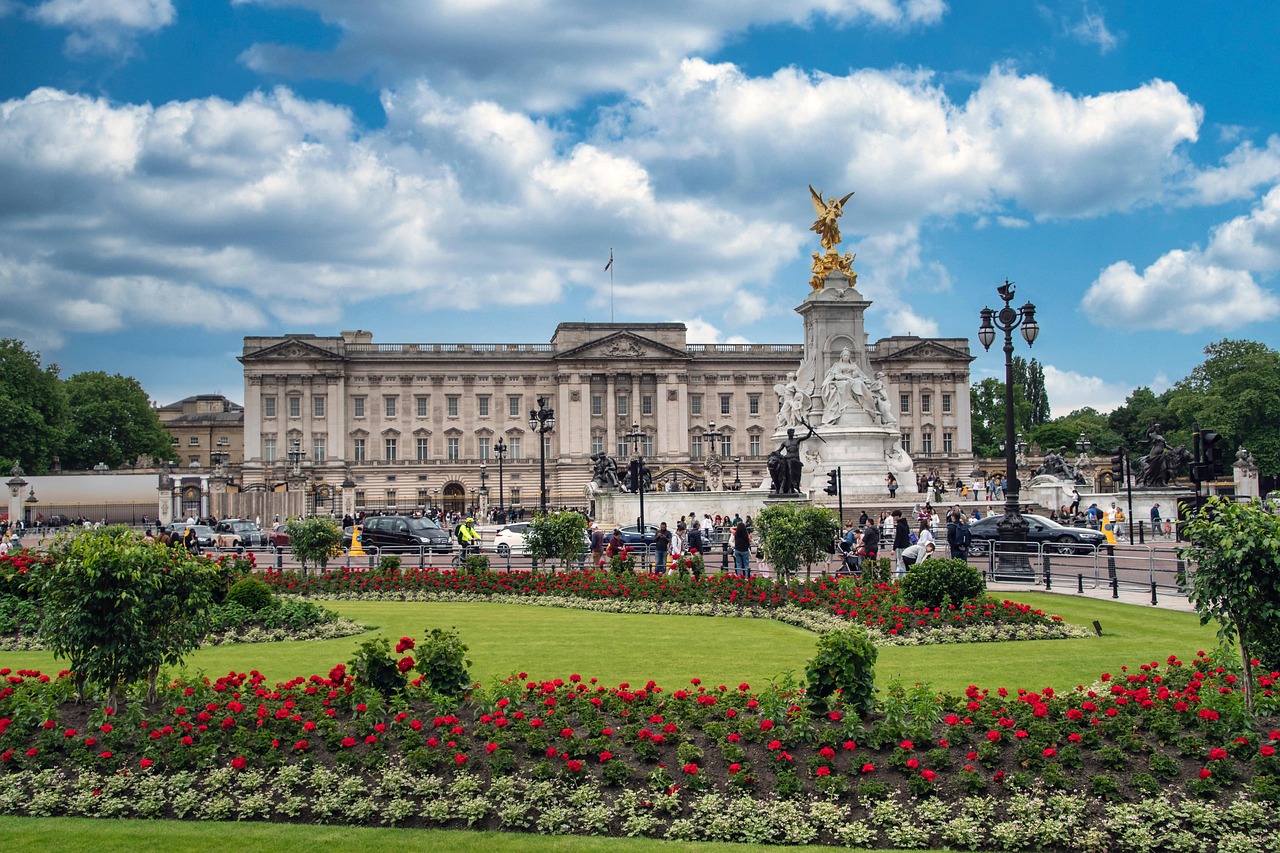
Note: Between Westminster Abbey and the next locations, you may need to make a choice: visit Buckingham Palace or the London Eye, as they are in opposite directions. My suggestion is to head to the Palace and take pictures of the London Eye from a distance, but the choice is yours — either option will be amazing! - Buckingham Palace: Be amazed by Buckingham Palace, the official residence of the monarchy. If you arrive at the right time, you can witness the Changing of the Guard, a fascinating British tradition. It usually takes place on Mondays, Wednesdays, Fridays, and Sundays in the Palace courtyard at 11:00 AM. Dates may change, and the ceremony can be canceled due to bad weather or other reasons without prior notice.
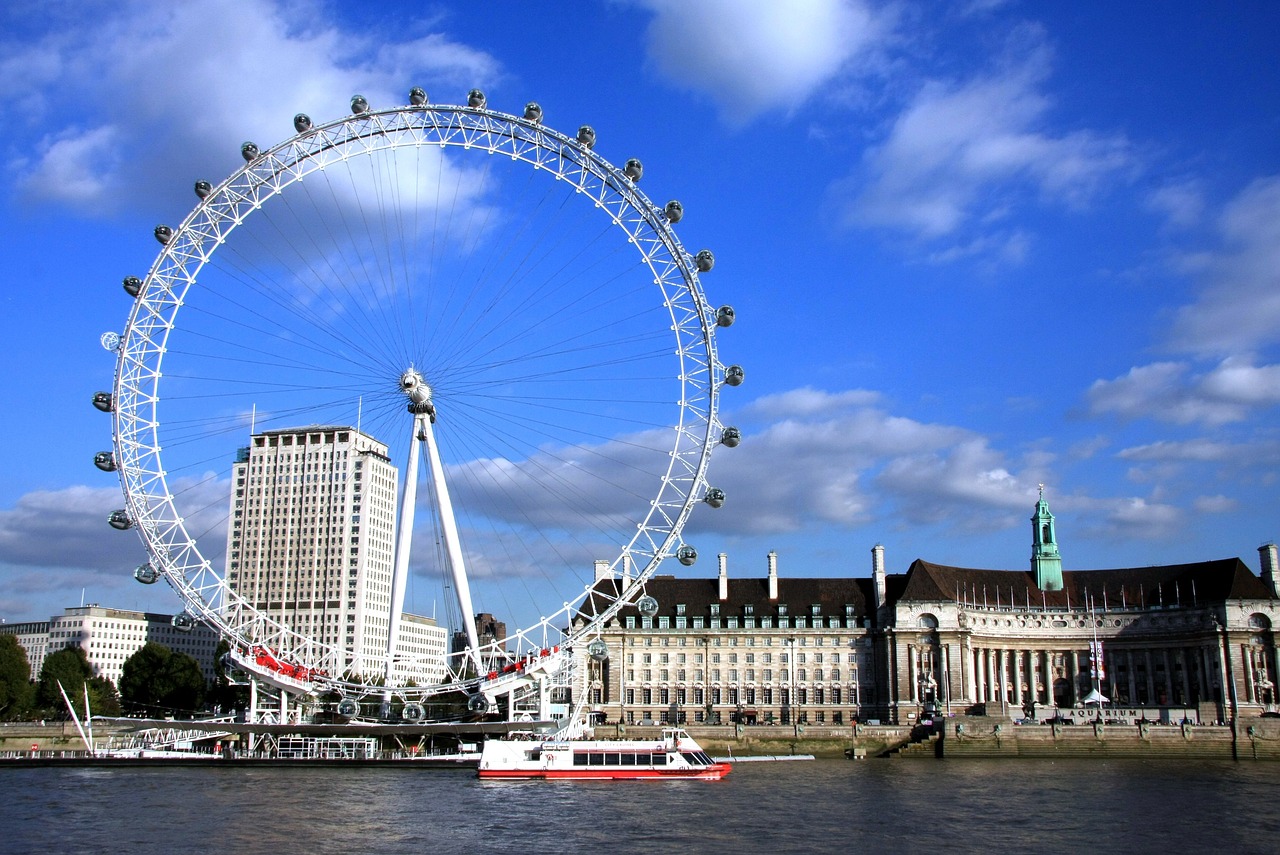
- London Eye: Another option to end the day is a ride on the London Eye Ferris wheel, which offers spectacular panoramic views of London, especially at sunset. Ticket prices start from 38 euros per person. Buy your ticket for the London Eye here .
TIP: If you have more time, it is worth including the Natural History Museum, especially if you are traveling with children. Admission is free, and the museum features exhibitions of fossils, minerals, and an impressive collection of dinosaurs.
Plan Your Trip:
INTERNATIONAL CARD: Apply for your card to use abroad
ACCOMMODATION: Book your stay with confidence
TRAVEL INSURANCE: Get a quote and purchase your insurance with a 9% discount
Did you enjoy our tips? Then share this blog with your friends and follow us for more travel suggestions! We're here to help you explore the world with confidence and planning.
Until your next trip!
Want a custom itinerary?
Let us plan your dream trip with a tailor-made itinerary just for you!
Request itinerary